

[Sulfur Powder Conveying: Choosing Positive Pressure or Negative Pressure? How to Distinguish?]
When it comes to transporting sulfur powder, selecting the right conveying method is crucial for efficiency, safety, and operational reliability. Two primary approaches are widely used: positive pressure and negative pressure systems. Understanding the differences between these two methods is essential for making an informed decision that aligns with specific process requirements and operational constraints.
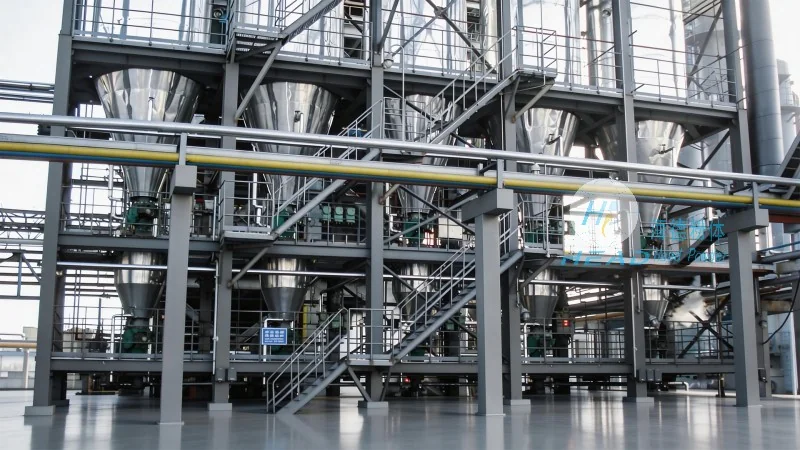
Distinguishing Positive Pressure Conveying from Negative Pressure Conveying
Positive pressure conveying systems operate by blowing air or gas into the material to move it through the pipeline. This method is effective for transporting bulk materials like sulfur powder, especially in applications where the material is dry and free-flowing. The primary advantage of positive pressure systems is their ability to handle high volumes of material with minimal pressure drop, making them suitable for long-distance conveying. However, they require robust sealing and filtration to prevent dust emissions and maintain air quality.
Negative pressure conveying, on the other hand, uses suction to draw material into the system. This approach is often preferred for applications involving dusty or fine powders, as it reduces the risk of dust dispersion. Negative pressure systems are typically more compact and can handle materials with higher moisture content or stickiness. The main drawback is that they are less efficient for long-distance conveying due to higher pressure losses and potential blockages.
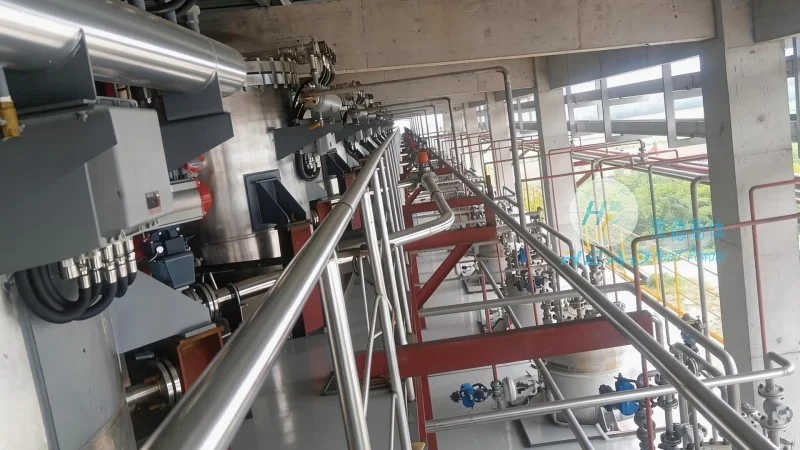
Key Factors to Consider When Choosing a Conveying System
Several factors influence the choice between positive and negative pressure conveying for sulfur powder. First, the material's physical properties, such as particle size, moisture content, and flowability, play a significant role. For example, fine sulfur powders with high moisture content may be better suited for negative pressure systems to prevent clogging. Second, the conveying distance and required flow rate are critical. Positive pressure systems are generally more efficient for long distances and high flow rates, while negative pressure systems are more suitable for shorter distances or low-volume applications.
Another important consideration is the environmental impact and regulatory compliance. Positive pressure systems may require additional filtration and dust collection equipment to meet air quality standards, whereas negative pressure systems can be more cost-effective in terms of emissions control. Additionally, the system's maintenance requirements and operational costs should be evaluated. Positive pressure systems may have higher energy consumption due to the need to generate and maintain pressure, while negative pressure systems might have lower energy costs but higher maintenance for suction components.
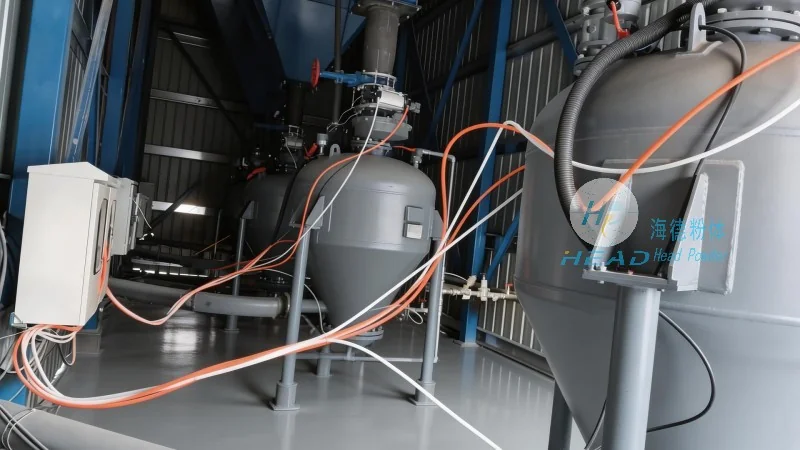
HeadPowder's Expertise in Sulfur Powder Conveying Solutions
Shandong HeadPowder Engineering Co., Ltd., a leading provider of bulk material handling solutions, specializes in designing and manufacturing customized conveying systems tailored to the unique needs of sulfur powder applications. With years of experience in the industry, HeadPowder understands the challenges associated with handling sulfur powder, including its tendency to clump or create dust. Our team of engineers works closely with clients to assess their specific requirements, including material characteristics, conveying distance, and operational environment, to recommend the most appropriate system.
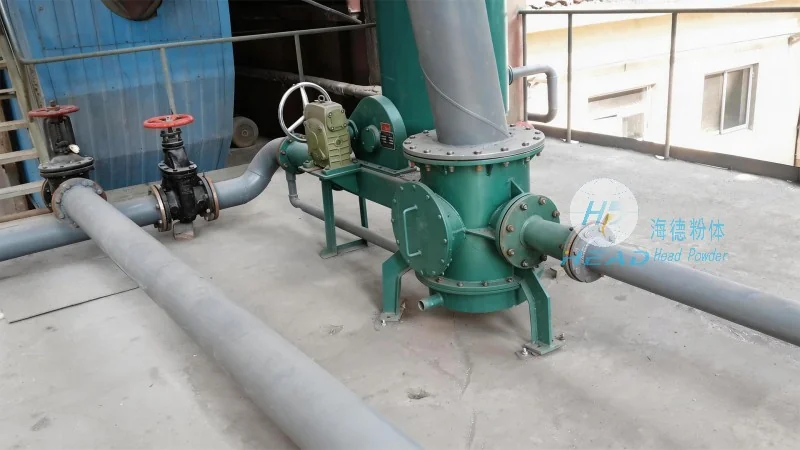
HeadPowder offers a range of positive pressure and negative pressure conveying solutions, including pneumatic conveying lines, dust collection systems, and material handling equipment. Our positive pressure systems utilize high-quality air blowers and efficient pipeline designs to ensure reliable material transport with minimal pressure loss. For negative pressure applications, we employ advanced suction technology and filtration systems to maintain air quality and prevent dust contamination. All our equipment is manufactured with durable materials, such as stainless steel and corrosion-resistant alloys, to withstand the harsh conditions associated with sulfur powder handling.
Furthermore, HeadPowder provides comprehensive support services, including system installation, commissioning, and maintenance. Our technical team is available to assist with troubleshooting and optimizing conveying performance, ensuring that clients achieve maximum efficiency and reliability in their sulfur powder handling operations. By choosing HeadPowder, clients can benefit from our expertise and commitment to quality, ensuring that their conveying systems are designed to meet the highest standards of performance and safety.