

Preventing Pipeline Blockages in Pneumatic Conveying Systems for Fine Polished Sand: Key Design Para
For industries dealing with fine polished sand, the efficient and reliable operation of pneumatic conveying systems is crucial. A common challenge in such systems is the risk of pipeline blockages, which can lead to downtime and increased maintenance costs. Understanding and implementing the right design parameters is essential to mitigate these risks and ensure smooth material transport. This article explores effective strategies to prevent pipeline blockages in pneumatic conveying systems specifically for fine polished sand, along with the key design parameters that contribute to system performance.
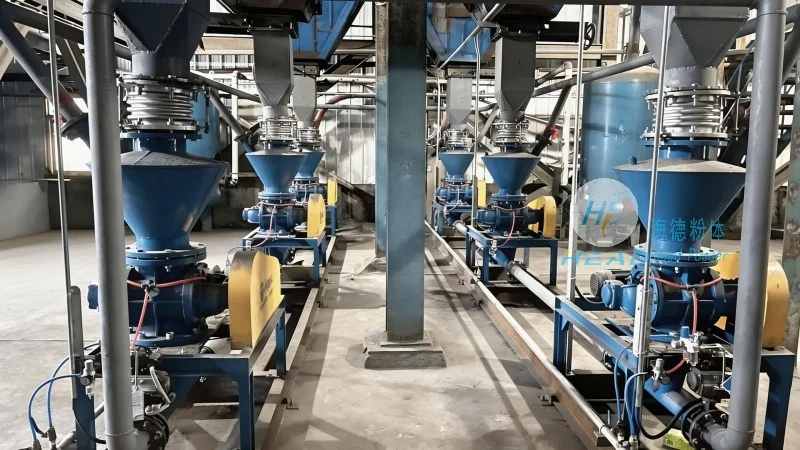
Understanding the Risks of Pipeline Blockages in Fine Polished Sand Conveying
Fine polished sand, due to its small particle size and sometimes cohesive properties, can easily cause blockages in pneumatic conveying lines if the system is not properly designed. Blockages can occur when the air velocity is insufficient to keep the material in suspension, or when the pipe diameter is too small, leading to increased friction and material accumulation. Additionally, variations in material moisture content or particle size distribution can exacerbate these issues. Recognizing these risks is the first step toward implementing effective solutions.
Key Design Parameters for Preventing Blockages in Pneumatic Conveying Systems
Several critical design parameters must be considered when designing a pneumatic conveying system for fine polished sand to prevent blockages. These parameters are interrelated and must be optimized for the specific material characteristics and operational requirements.
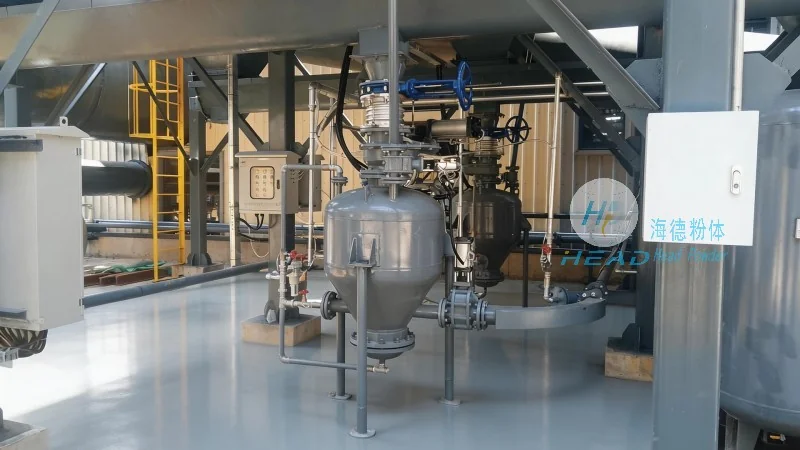
1. Pipe Diameter and Material Velocity
The pipe diameter is one of the most significant factors affecting the risk of blockages. A larger pipe diameter allows for lower air velocities while still maintaining material suspension, reducing the likelihood of particle settling and accumulation. For fine polished sand, a minimum pipe diameter of 50 mm is often recommended, with larger diameters (e.g., 80 mm or more) being preferred for high-volume applications. The material velocity, or the speed at which the sand travels through the pipe, should be maintained at a level that keeps the particles in suspension. Typically, velocities of 20-30 m/s are sufficient for fine materials, but this can vary based on particle size and density. Maintaining an optimal velocity ensures that the air flow is strong enough to prevent material from sticking to the pipe walls and forming blockages.
2. Air Pressure and System Design
The air pressure within the pneumatic conveying system plays a crucial role in preventing blockages. Higher air pressure increases the air velocity and the force required to keep the material in suspension. For fine polished sand, a system pressure of 0.5-1.0 MPa is commonly used, depending on the conveying distance and material characteristics. The system design, including the type of air compressor and the layout of the pipeline, must be optimized to maintain consistent pressure throughout the conveying process. Sudden pressure drops or fluctuations can lead to material settling and blockages, so a well-designed pressure control system is essential.
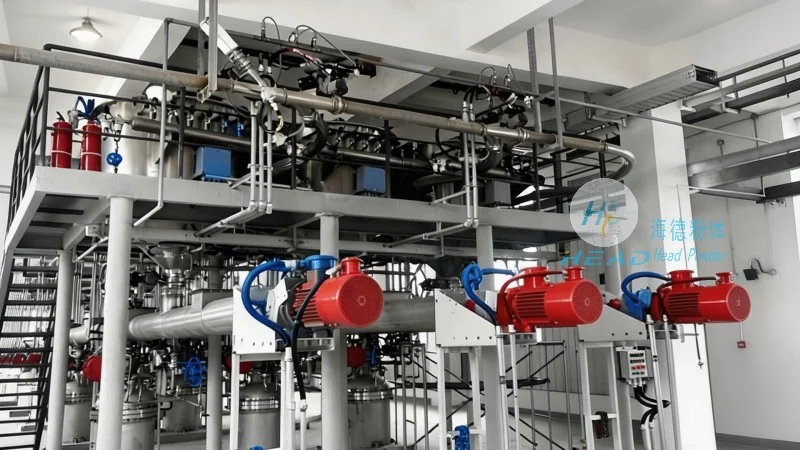
3. Material Properties and Particle Size Distribution
The physical properties of the fine polished sand, such as particle size, density, and moisture content, directly impact the design of the pneumatic conveying system. Fine particles are more prone to sticking together due to surface tension and cohesive forces, which can increase the risk of blockages. Therefore, it is important to consider the particle size distribution when selecting the pipe diameter and air velocity. For example, if the sand has a high proportion of very fine particles (< 100 µm), a larger pipe diameter and higher air velocity may be necessary to prevent agglomeration. Additionally, controlling moisture content is critical, as higher moisture levels can cause the material to become more cohesive and prone to blockages. Implementing moisture control measures, such as drying the sand before conveying, can significantly reduce the risk of blockages.
4. System Layout and Bends
The layout of the pneumatic conveying system, including the number and angle of bends, can also affect the risk of blockages. Sharp bends and turns can cause the material to lose velocity and settle, leading to blockages. To minimize this risk, the system should be designed with smooth, gradual bends and as few turns as possible. The use of larger radius bends (e.g., 90-degree bends with a radius of at least 2 times the pipe diameter) can help maintain material suspension and reduce the likelihood of blockages. Additionally, incorporating expansion joints or flexible connectors at bends can help absorb vibrations and prevent material from being trapped in the bends.
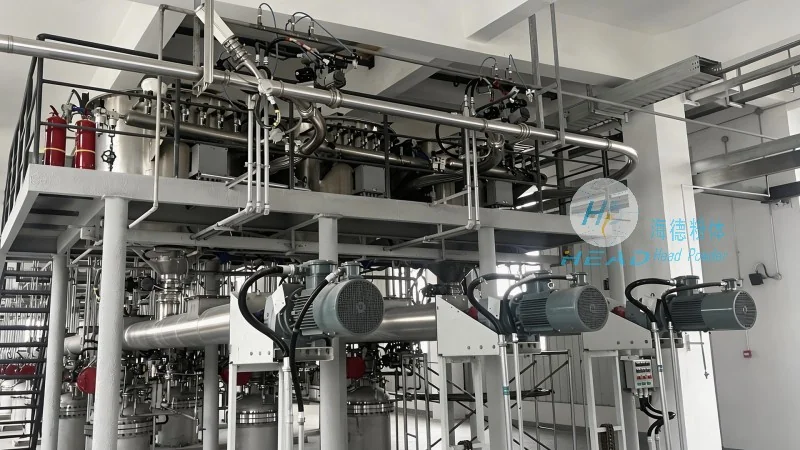
5. Filter and Separator Design
The design of the filter and separator at the end of the conveying system is another critical parameter for preventing blockages. The filter must be able to capture fine particles without clogging, as a clogged filter can cause a backpressure that leads to system blockages. The separator should be designed to efficiently separate the sand from the air, preventing the sand from being carried back into the system and causing further blockages. The use of high-efficiency filters and separators, such as bag filters or cyclone separators, can help maintain system performance and prevent blockages.
HeadPowder's Expertise in Designing Pneumatic Conveying Systems
Shandong HeadPowder Engineering Co., Ltd., a leading provider of pneumatic conveying solutions, specializes in designing systems tailored to the unique challenges of fine polished sand. With years of experience in the industry, HeadPowder engineers have developed a deep understanding of the key design parameters that prevent blockages and ensure efficient material transport. The company's expertise includes the optimization of pipe diameters, air velocities, and system pressures based on the specific material characteristics and operational requirements of each client. By working closely with clients, HeadPowder can provide customized solutions that minimize the risk of blockages and maximize system performance.