

How to Prevent Pipeline Blockages in the Air-Pneumatic Conveying System for Lithium Cobalt Oxide (LC
When handling lithium cobalt oxide (LCO), a critical component in lithium-ion batteries, the air-pneumatic conveying system is widely used for its efficiency and flexibility. However, one of the major challenges in this process is the risk of pipeline blockages, which can halt production and cause significant downtime. Understanding and implementing the right design parameters are essential to mitigate these risks and ensure smooth operation. This article explores effective strategies to prevent blockages and highlights key design considerations for air-pneumatic conveying systems in LCO transport.
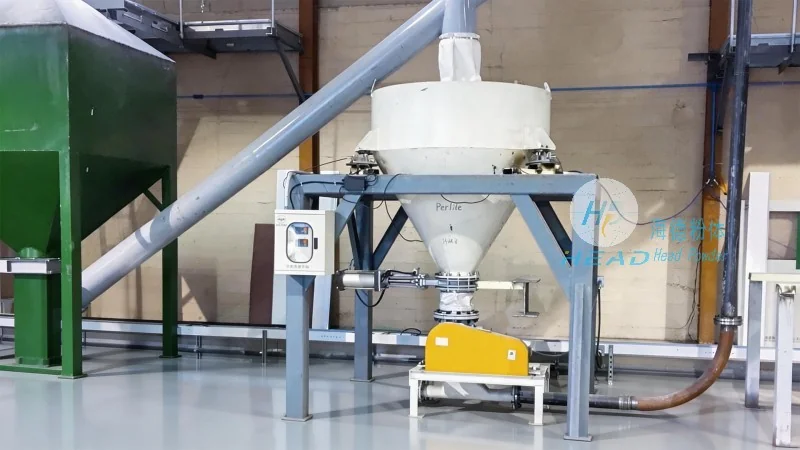
Understanding the Risks of Pipeline Blockages in LCO Conveying
Lithium cobalt oxide particles, while valuable, can present unique challenges during air-pneumatic transport. Their size, shape, and moisture content can affect how they behave in a conveying system. Blockages often occur due to particle agglomeration, where particles stick together or adhere to the pipe walls, forming a solid plug. This can be exacerbated by factors such as high moisture levels, improper air velocity, or inadequate particle separation. For manufacturers relying on consistent LCO supply, preventing such blockages is not just a maintenance issue but a direct impact on production efficiency and product quality.
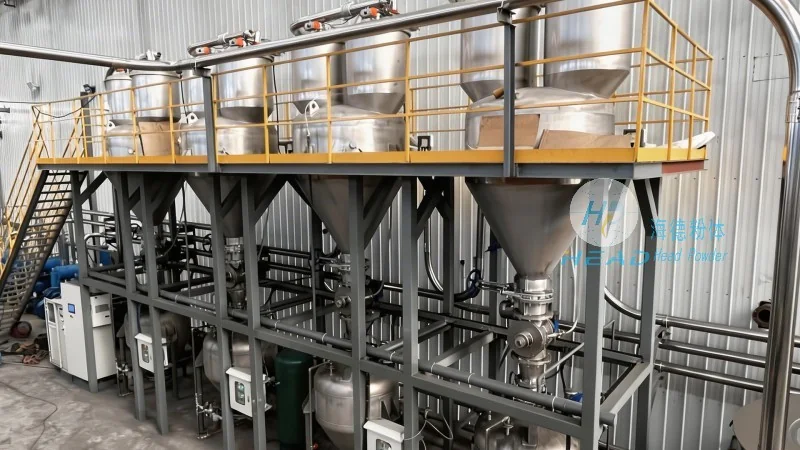
Key Design Parameters for Preventing Blockages in Air-Pneumatic Conveying
Several design parameters play a crucial role in ensuring the smooth operation of air-pneumatic systems for LCO transport. The first is the air velocity, which must be optimized to maintain particle suspension without causing excessive wear or energy consumption. Studies show that maintaining an air velocity between 20-30 m/s is generally effective for LCO particles, as it provides sufficient lift while minimizing the risk of particle deposition. Another critical parameter is the pipe diameter and material. Larger diameters reduce friction losses and the likelihood of particle accumulation, while choosing materials like stainless steel or PTFE can prevent corrosion and adhesion.
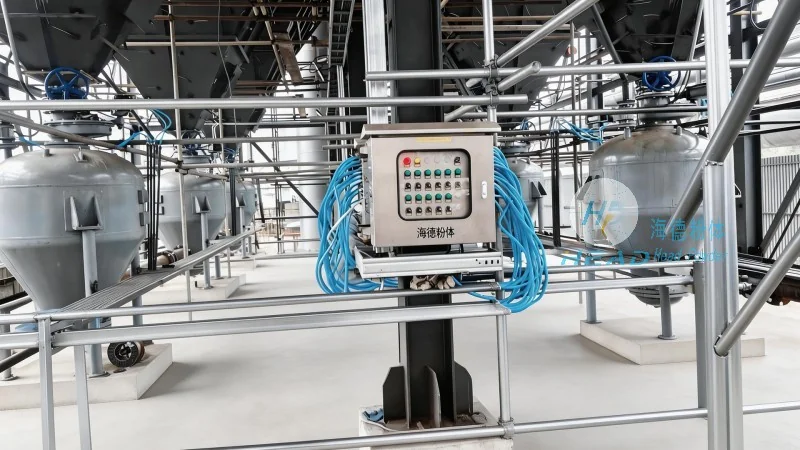
Particle size distribution is another key factor. LCO particles are typically fine, and if the size range is too broad, larger particles may settle and cause blockages. Therefore, ensuring a consistent particle size, often through pre-screening or classification processes, is essential. The conveying system's layout, including the number and placement of bends, also impacts blockage risk. Sharp bends can cause particles to impact the pipe wall and agglomerate, so gradual bends or using smooth transitions can help maintain flow. Additionally, incorporating cleaning mechanisms, such as pulse jets or rotary airlocks, can help clear any minor blockages and maintain system integrity.
The Role of HeadPowder in Designing Reliable LCO Conveying Systems
Shandong HeadPowder Engineering Co., Ltd., a leading provider of powder handling solutions, specializes in designing and manufacturing air-pneumatic conveying systems tailored to the specific needs of LCO transport. With years of experience in the industry, HeadPowder understands the unique challenges posed by LCO and has developed advanced solutions to prevent blockages. Their expertise lies in optimizing design parameters such as air velocity, pipe diameter, and material selection to ensure optimal performance. For example, HeadPowder's systems often include automated monitoring and control features that adjust air pressure and flow in real-time, responding to changes in particle load and preventing potential blockages before they occur.
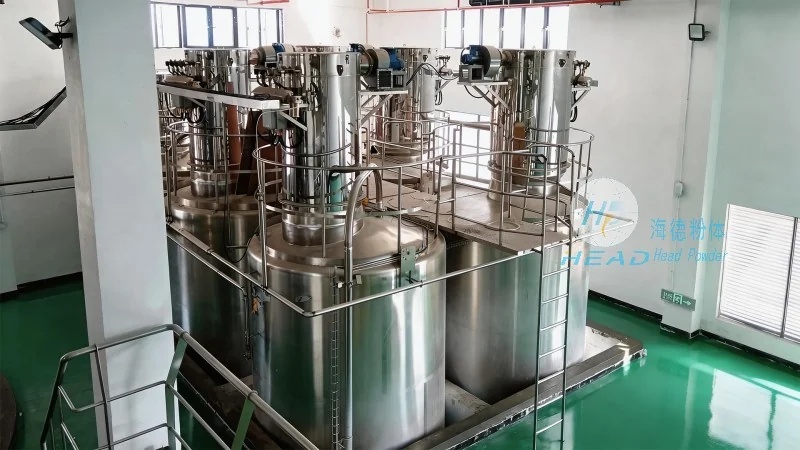
HeadPowder's commitment to quality and innovation is reflected in their use of high-quality components and rigorous testing protocols. Each system is designed to meet the specific requirements of the client, whether it's for small-scale laboratory use or large-scale industrial production. The company's team of engineers works closely with clients to understand their operational needs and provide customized solutions that enhance efficiency and reduce downtime. By focusing on the key design parameters that prevent blockages, HeadPowder ensures that their clients can rely on consistent and reliable LCO transport, supporting their production goals without interruptions.