

How to Prevent Pipeline Blockages in the Air-Pneumatic Conveying System for Manganese Sulfate Transp
When it comes to transporting manganese sulfate, air-pneumatic conveying systems offer an efficient and reliable solution. However, a common challenge in such systems is the risk of pipeline blockages, which can lead to operational disruptions and increased maintenance costs. Understanding the key design parameters that prevent blockages is crucial for ensuring smooth and uninterrupted material transport. This article explores the critical factors and design considerations for air-pneumatic conveying systems specifically tailored for manganese sulfate, with a focus on preventing pipeline blockages and optimizing system performance.
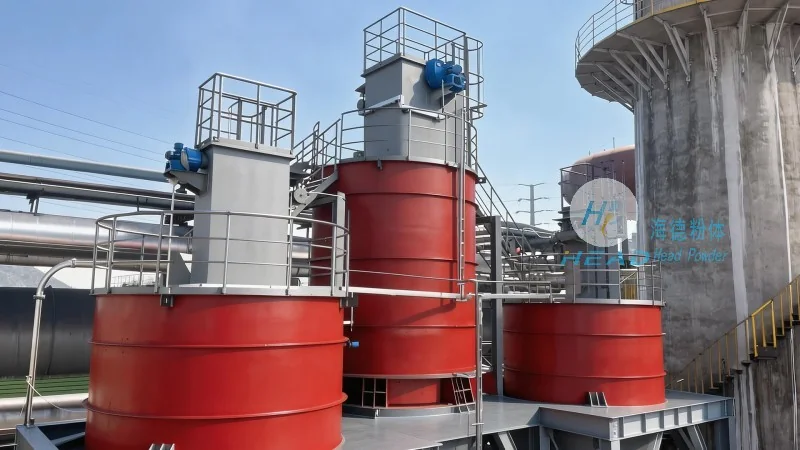
Understanding the Importance of Preventing Blockages in Manganese Sulfate Conveying
Manganese sulfate is a fine, powdery material that can easily agglomerate or form clumps during transport. If not properly managed, these clumps can cause blockages in the conveying pipeline, leading to system downtime and potential equipment damage. Preventing blockages is not just about avoiding operational interruptions; it also ensures the longevity of the conveying system and maintains the quality of the transported material. By implementing the right design parameters, companies can significantly reduce the risk of blockages and enhance the overall efficiency of their manganese sulfate transport operations.
Key Design Parameters for Air-Pneumatic Conveying Systems in Manganese Sulfate Transport
The success of an air-pneumatic conveying system for manganese sulfate hinges on several key design parameters. These parameters are tailored to the physical properties of manganese sulfate, such as its particle size, moisture content, and flowability. Here are the critical design considerations:
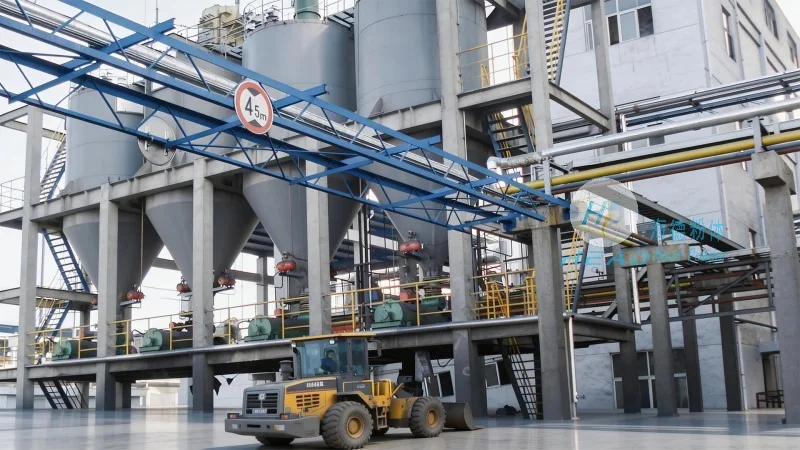
1. Air Velocity and Flow Rate
One of the most critical design parameters is the air velocity and flow rate. The air velocity must be sufficient to lift and transport the manganese sulfate particles through the pipeline without causing excessive pressure drops or particle degradation. Typically, the air velocity should be maintained at a level that ensures the particles are fully suspended and moved efficiently. For manganese sulfate, an optimal air velocity range is often between 20 to 30 meters per second, depending on the particle size and density. The flow rate, on the other hand, should be adjusted to match the production capacity and the required conveying distance. Properly balancing these two parameters is essential to prevent particle settling and blockages.
2. Pipeline Diameter and Length
The diameter of the conveying pipeline is another crucial factor. A larger diameter reduces the risk of blockages by providing more space for the particles to move freely and by minimizing the friction between the particles and the pipe walls. For manganese sulfate, a pipeline diameter of at least 100 mm is recommended to accommodate the fine particles and prevent clogging. The length of the pipeline also plays a role, as longer distances may require higher air pressure or additional booster units to maintain the required velocity. Proper sizing of the pipeline diameter and length ensures that the system operates within the optimal range, reducing the likelihood of blockages.
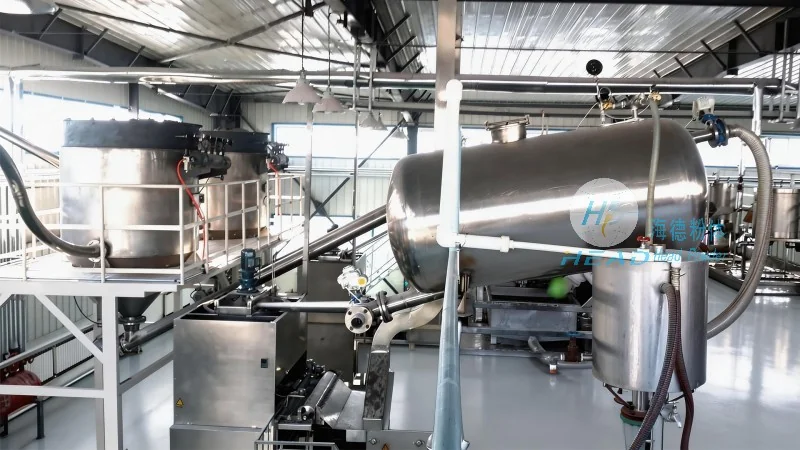
3. Material Feed and Conditioning
The way manganese sulfate is fed into the system and any conditioning steps taken before transport can significantly impact the risk of blockages. Proper feeding mechanisms, such as rotary valves or feeders, ensure a consistent and controlled flow of material into the pipeline. Conditioning steps, such as drying or pre-screening, can also improve the material's flowability and reduce the formation of clumps. For example, if the manganese sulfate has high moisture content, drying it before conveying can prevent agglomeration and blockages. Additionally, adding anti-caking agents or using vibration equipment during feeding can further enhance the material's flow properties.
4. System Pressure and Booster Units
The choice between dilution or positive pressure systems. Dilution systems use a higher volume of air to transport the material, which reduces the particle concentration and minimizes the risk of blockages. Positive pressure systems, on the other hand, use higher air pressure to push the material through the pipeline. Booster units are often used in long-distance conveying to maintain the required air pressure and velocity. The choice between these systems depends on the conveying distance, the material properties, and the desired system efficiency. Properly sizing the booster units and maintaining the system pressure at optimal levels is essential to prevent blockages and ensure smooth transport.
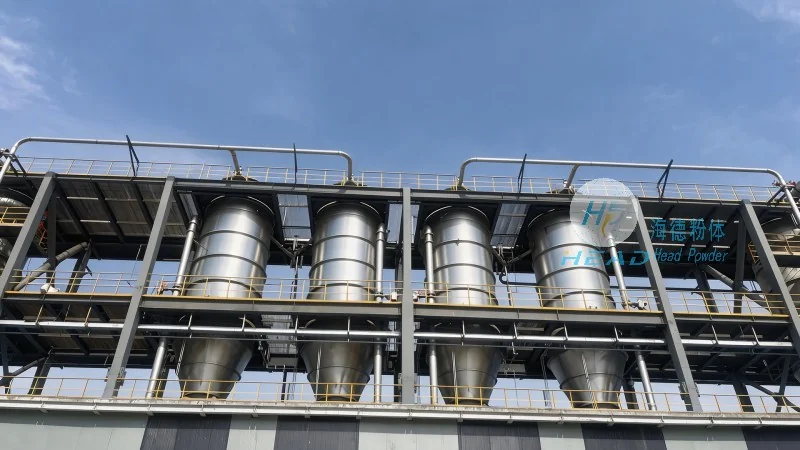
Role of HeadPowder Engineering in Designing Efficient Conveying Systems
Shandong HeadPowder Engineering Co., Ltd. specializes in designing and manufacturing air-pneumatic conveying systems tailored to the specific needs of manganese sulfate transport. With years of experience in the industry, HeadPowder understands the unique challenges associated with transporting fine powders like manganese sulfate. The company's experts work closely with clients to analyze their material properties, conveying requirements, and operational constraints to develop customized solutions that prevent blockages and optimize performance. HeadPowder's approach involves thorough material testing, system modeling, and on-site evaluations to ensure that the final design meets all the necessary parameters for safe and efficient transport. By leveraging advanced technology and engineering expertise, HeadPowder provides reliable solutions that help clients avoid costly blockages and maintain consistent production.
Conclusion: Ensuring Smooth Manganese Sulfate Transport with Proper Design
In conclusion, preventing pipeline blockages in air-pneumatic conveying systems for manganese sulfate requires careful consideration of several key design parameters. By optimizing air velocity and flow rate, selecting appropriate pipeline diameter and length, managing material feed and conditioning, and ensuring proper system pressure with booster units, companies can significantly reduce the risk of blockages and enhance the efficiency of their transport operations. With the expertise of companies like Shandong HeadPowder Engineering Co., Ltd., businesses can implement effective solutions that not only prevent blockages but also ensure the longevity and reliability of their conveying systems. By prioritizing these design parameters, manganese sulfate producers can achieve smooth, uninterrupted transport and maintain the quality of their material, ultimately leading to improved operational efficiency and cost savings.