

How to Prevent Pipeline Blockages in Fluorite Conveying with Pneumatic Conveying Systems? Key Design
Fluorite, a critical industrial mineral widely used in the production of hydrofluoric acid and other chemical products, often poses unique challenges during material handling. One of the most significant issues in fluorite conveying is pipeline blockage, which can lead to operational downtime, increased maintenance costs, and reduced overall efficiency. Pneumatic conveying systems offer a solution to these challenges by efficiently transporting fluorite while minimizing the risk of blockages. However, the success of such systems depends heavily on proper design and implementation. This article explores effective strategies to prevent pipeline blockages in fluorite conveying using pneumatic systems and highlights the key design parameters that must be considered.
Understanding the Risks of Pipeline Blockages in Fluorite Conveying
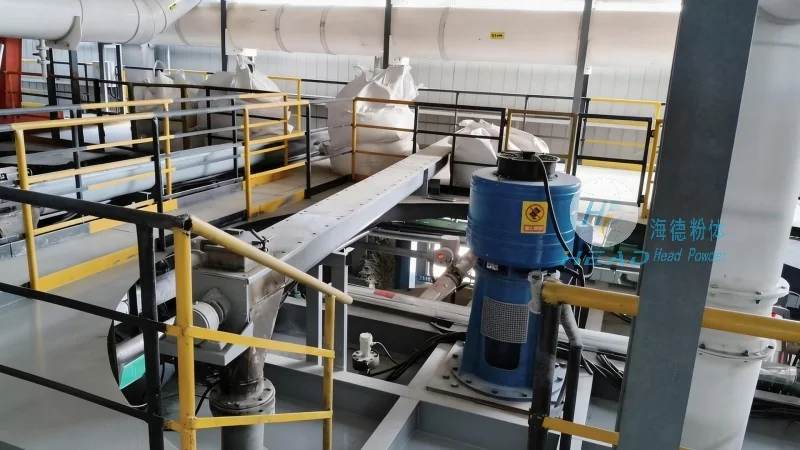
Fluorite particles, particularly in fine or ultrafine grades, have specific physical properties that make them prone to agglomeration and bridging within pipelines. These characteristics, combined with the high moisture content or dust accumulation in some fluorite sources, can create conditions that lead to blockages. When a blockage occurs, it can disrupt the entire conveying process, causing material to back up and potentially damaging equipment. Therefore, understanding the inherent risks associated with fluorite is the first step toward designing an effective pneumatic conveying system.
Key Design Parameters for Preventing Blockages in Pneumatic Conveying Systems
Several critical design parameters must be optimized to ensure smooth and unobstructed fluorite transport. The first parameter is the selection of the appropriate conveying type—whether it is dilute-phase or dense-phase. Dilute-phase systems, which use high air velocities to move particles, are generally more effective for fine fluorite but require careful control to avoid excessive pressure drops and potential blockages. Dense-phase systems, on the other hand, use lower air velocities and higher particle concentrations, which can reduce the risk of agglomeration and blockages but may require larger equipment and higher energy consumption.
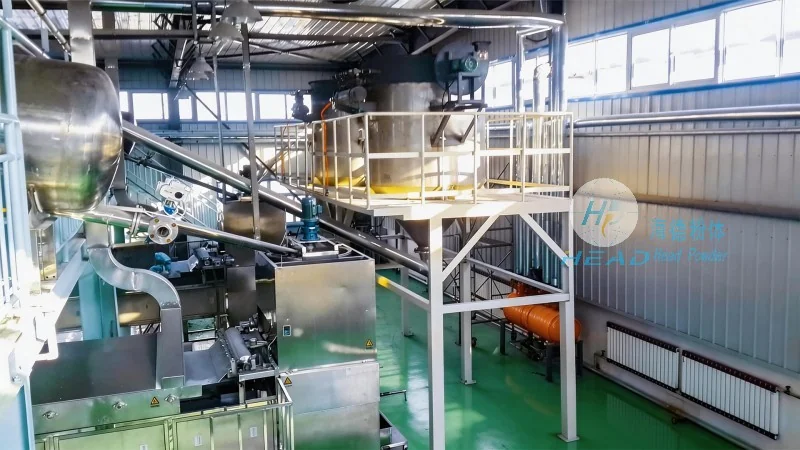
Another crucial parameter is the pipe diameter and material. Larger pipe diameters reduce the risk of particle accumulation and blockages, as they allow for easier flow and less friction. However, larger diameters also increase the system's cost and energy requirements. The choice of pipe material is equally important; materials such as stainless steel or corrosion-resistant alloys are recommended to prevent chemical reactions with fluorite and to maintain the integrity of the system over time. Additionally, the pipe layout, including the number of bends, vertical and horizontal runs, and the use of expansion joints or flexible connectors, must be carefully planned to minimize pressure losses and prevent particle settling.
Material Characteristics and Their Impact on Conveying
The physical and chemical properties of fluorite significantly influence the design of pneumatic conveying systems. Fluorite particles vary in size, density, and moisture content, which affects how they behave during transport. For example, fine fluorite particles have a higher surface area and are more likely to stick together, increasing the risk of blockages. The moisture content of the material can also lead to clumping, especially in humid environments. Therefore, it is essential to consider these characteristics when selecting the conveying system and adjusting the operating parameters, such as air pressure and flow rate.
Operational Controls and Monitoring for Blockage Prevention
Even with optimal design, operational controls play a vital role in preventing pipeline blockages. Regular maintenance, including cleaning and inspection of the conveying lines, is necessary to remove any accumulated material or debris. Monitoring systems, such as pressure sensors and flow meters, can provide real-time data on the system's performance and alert operators to potential issues before blockages occur. Additionally, implementing a feedback control system that adjusts air pressure or flow rate based on the material's characteristics can help maintain consistent conveying conditions and reduce the risk of blockages.
Case Study: Successful Implementation by Shandong HeadPowder Engineering Co., Ltd.
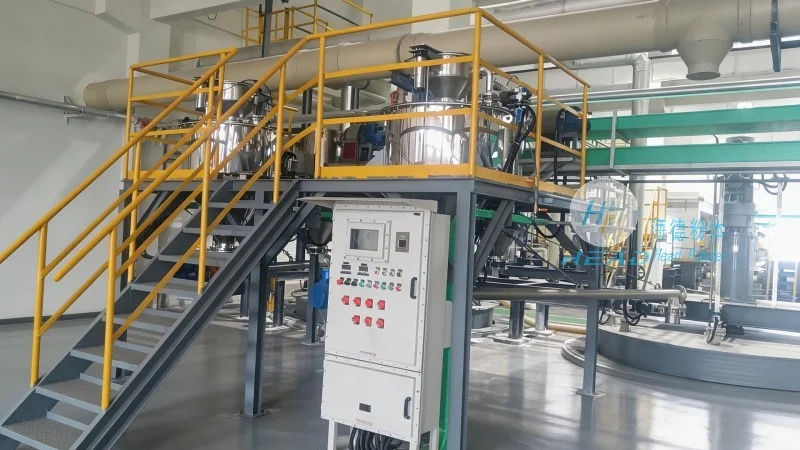
Shandong HeadPowder Engineering Co., Ltd., a leading provider of pneumatic conveying solutions, has successfully implemented systems to prevent blockages in fluorite conveying for various clients. By carefully analyzing the material properties and optimizing design parameters, the company has developed customized solutions that meet the specific needs of each operation. For instance, one client faced frequent blockages in their dilute-phase system due to fine fluorite particles. By increasing the pipe diameter and adjusting the air velocity, HeadPowder engineers were able to reduce the risk of blockages and improve the system's efficiency. Another client, using a dense-phase system, benefited from the use of expansion joints and flexible connectors, which minimized pressure losses and prevented particle settling.
Conclusion: Balancing Efficiency and Reliability in Fluorite Conveying
Preventing pipeline blockages in fluorite conveying is a multifaceted challenge that requires a combination of proper system design, material understanding, and operational controls. By focusing on key design parameters such as conveying type, pipe diameter and material, and layout, as well as implementing effective operational strategies, industries can ensure the reliable and efficient transport of fluorite. Companies like Shandong HeadPowder Engineering Co., Ltd. play a crucial role in providing tailored solutions that address these challenges, helping clients maintain productivity and minimize downtime. As the demand for fluorite continues to grow, the importance of effective pneumatic conveying systems in preventing blockages will only increase, making it essential for industries to invest in proper system design and maintenance.