

How to Prevent Pipeline Blockages in Lithium Oxide Conveying with Pneumatic Conveying Systems? Key D
When it comes to transporting lithium oxide using pneumatic conveying systems, preventing pipeline blockages is a critical concern for industries relying on efficient and reliable material handling. Lithium oxide, with its unique physical and chemical properties, can pose significant challenges if not handled with the right system design and operational parameters. This article explores the key factors that contribute to pipeline blockages in lithium oxide conveying and outlines essential design parameters to ensure smooth, uninterrupted operation.
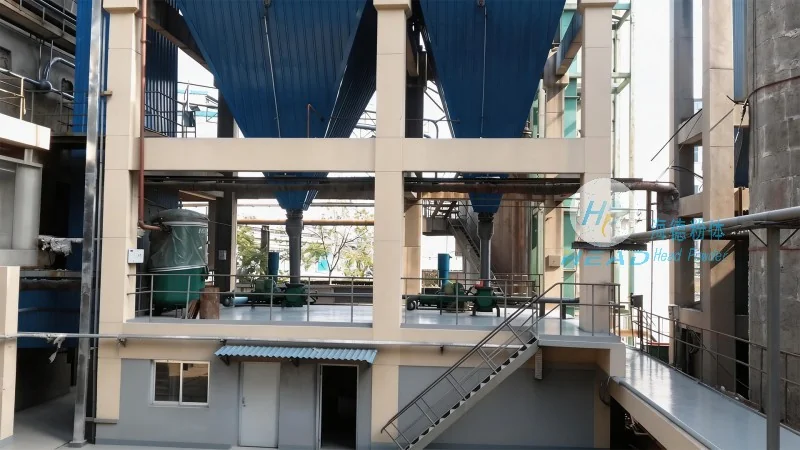
Introduction to Pneumatic Conveying Systems for Lithium Oxide Handling
Pneumatic conveying systems utilize air or other gases to transport bulk materials like lithium oxide through pipelines. Unlike mechanical systems, these systems offer advantages such as flexibility, low maintenance, and the ability to handle materials with varying characteristics. However, the success of these systems heavily depends on proper design and operation, especially when dealing with lithium oxide, which can be prone to agglomeration and caking under certain conditions.
Understanding the Challenges of Lithium Oxide Conveying
Lithium oxide is a fine, often hygroscopic powder that can exhibit poor flowability and tendency to stick to surfaces. These properties make it susceptible to forming plugs or blockages within the conveying pipeline if the system is not optimized. Common causes of blockages include excessive moisture absorption, high particle concentration, and inadequate air velocity, all of which can lead to material accumulation and system downtime. Recognizing these challenges is the first step toward implementing effective solutions.
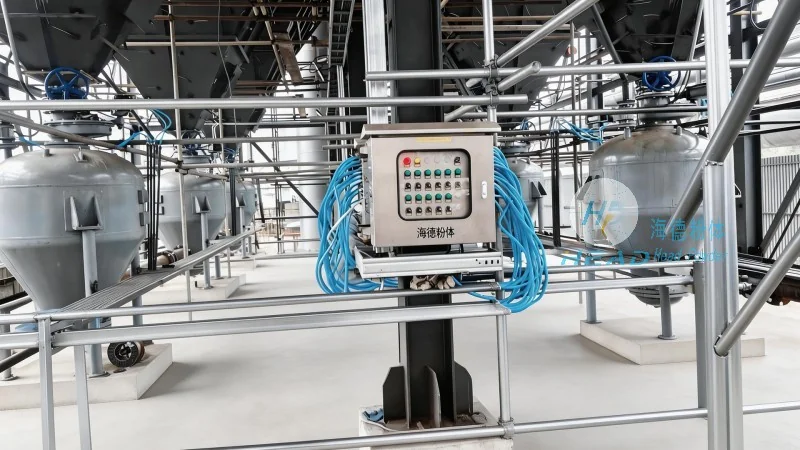
Key Design Parameters to Prevent Pipeline Blockages
Several key design parameters must be carefully considered when designing a pneumatic conveying system for lithium oxide to minimize the risk of blockages. These parameters include:
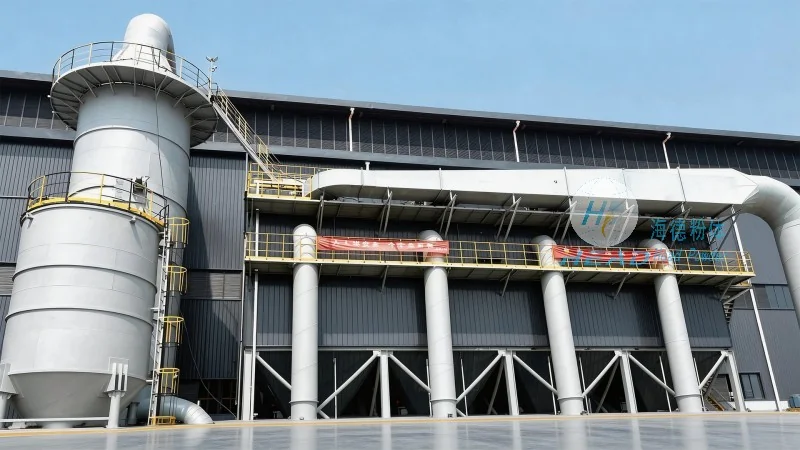
- Air Velocity and Pressure: Maintaining an appropriate air velocity is crucial. Insufficient velocity can cause material to settle and form blockages, while excessive velocity may lead to excessive wear and energy consumption. The system should be designed to operate at a velocity that ensures the material remains in suspension without causing excessive pressure drops.
- Pipeline Diameter and Length: The diameter of the conveying pipeline directly impacts the flow rate and pressure drop. Larger diameters reduce friction losses and the likelihood of blockages, but they also increase system cost and space requirements. The length of the pipeline also affects the overall pressure requirements and the need for intermediate conveying points.
- Material Concentration (Gas-Solid Ratio): The ratio of solid material to air is a critical factor. A higher concentration of lithium oxide can increase the risk of blockages as the material density increases, potentially leading to clogging. Optimizing this ratio ensures efficient transport while minimizing the risk of plug formation.
- System Configuration (Positive vs. Negative Pressure): The choice between positive and negative pressure systems influences the likelihood of blockages. Positive pressure systems, where air is blown into the pipeline, are generally more effective for handling fine powders like lithium oxide, as they can maintain consistent air flow and prevent material from settling.
- Equipment Selection (Feeder and Valve Design): The design of feeders and valves is essential. Properly designed feeders ensure a consistent and controlled feed rate, preventing surges that could lead to blockages. Valves should be selected to handle the specific characteristics of lithium oxide, such as avoiding material sticking or wear.
HeadPowder's Expertise in Pneumatic Conveying Solutions
Shandong HeadPowder Engineering Co., Ltd., a leading provider of pneumatic conveying systems, specializes in addressing the unique challenges of lithium oxide handling. With years of experience in the industry, HeadPowder offers customized solutions tailored to the specific requirements of each client. The company is headquartered in Shandong, China, and its team of engineers leverages advanced technology and deep industry knowledge to design systems that meet the highest standards of efficiency and reliability. By focusing on the key design parameters outlined above, HeadPowder ensures that its systems effectively prevent pipeline blockages and deliver consistent performance in lithium oxide conveying applications.
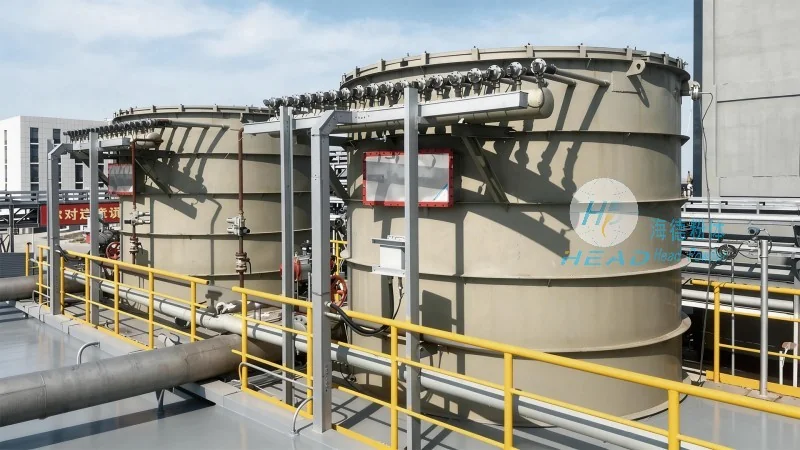
Practical Recommendations for Optimizing Lithium Oxide Conveying Systems
Implementing the following practical recommendations can further enhance the performance of pneumatic conveying systems for lithium oxide and reduce the risk of blockages:
- Regular Maintenance and Inspection: Routine maintenance of the system, including cleaning of pipelines and checking for wear on components, is essential. This helps identify and address potential issues before they lead to blockages.
- Monitoring System Performance: Using sensors and monitoring equipment to track air pressure, flow rates, and material levels allows for real-time adjustments and early detection of anomalies that could cause blockages.
- Proper Drying and Conditioning of Material: Ensuring that lithium oxide is properly dried and conditioned before conveying can improve its flowability and reduce the risk of agglomeration.
- System Sizing and Capacity Planning: Properly sizing the conveying system based on the expected material flow rate and pipeline length prevents overloading and reduces the likelihood of blockages.
In conclusion, preventing pipeline blockages in lithium oxide conveying with pneumatic systems requires a comprehensive approach that considers the material's properties and the system's design parameters. By implementing the key design principles and leveraging the expertise of companies like Shandong HeadPowder Engineering Co., Ltd., industries can achieve efficient, reliable, and safe transport of lithium oxide, minimizing downtime and operational costs.