

Analysis of Silicate Pneumatic Conveying Systems
Silicate materials, including various types of minerals and compounds such as kaolin, feldspar, and quartz, are widely used in industries like ceramics, glass, and construction. The efficient handling and transportation of these materials are crucial for industrial processes, and pneumatic conveying systems have emerged as a reliable solution. This article provides an in-depth analysis of silicate pneumatic conveying systems, exploring their working principles, key components, and practical applications.
Understanding Pneumatic Conveying Technology
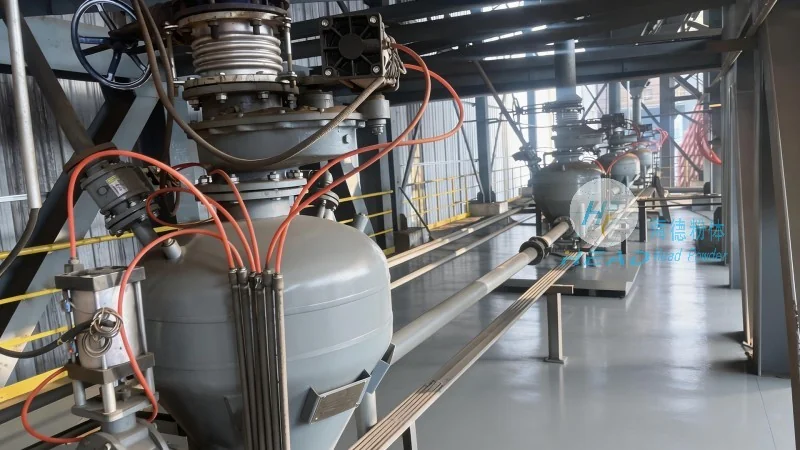
Pneumatic conveying systems utilize air or gas to transport bulk materials through a pipeline network. For silicate materials, which often have specific handling requirements due to their particle size, density, and flow characteristics, specialized designs are essential. The system typically consists of a feeding device, a conveying line, a separation unit, and a discharge mechanism. The feeding device ensures consistent material intake, while the conveying line transports the material under pressure. The separation unit, such as a cyclone or filter, separates the conveyed material from the air, and the discharge mechanism delivers the material to the target location.
Key Components of Silicate Pneumatic Conveying Systems
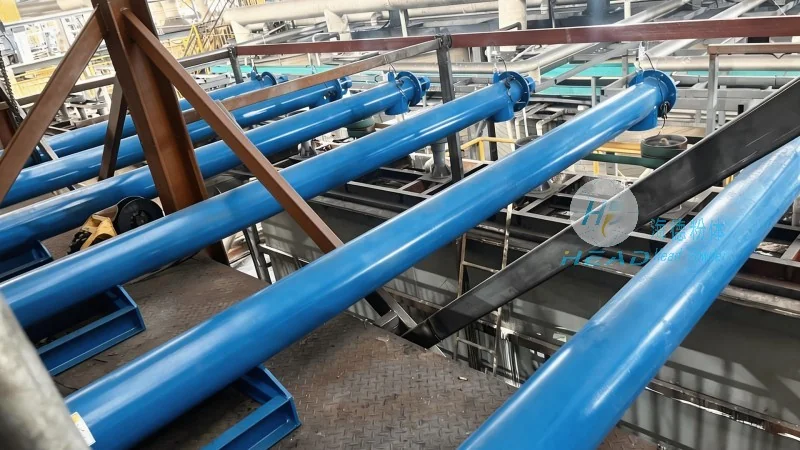
Several critical components contribute to the effective operation of silicate pneumatic conveying systems. The feeders are designed to handle the specific characteristics of silicate materials, ensuring uniform material flow into the conveying line. These feeders may include rotary valves, screw feeders, or vibratory feeders, each chosen based on the material's properties and the system's requirements. The conveying line is usually made of materials resistant to corrosion and abrasion, such as stainless steel or special alloys, to withstand the wear from silicate particles. The air compressor or blower provides the necessary pressure to move the material through the system. Additionally, separation equipment like cyclones or bag filters is crucial for recovering the material and cleaning the air, preventing dust emissions and maintaining system efficiency.
Advantages of Silicate Pneumatic Conveying Systems
Compared to traditional mechanical conveying methods, silicate pneumatic conveying systems offer several advantages. First, they provide a dust-free and enclosed environment, which is essential for maintaining product quality and ensuring workplace safety. Second, the system allows for flexible and compact layouts, as the conveying lines can be installed in various configurations without the need for extensive infrastructure. Third, pneumatic conveying systems can handle a wide range of material types and particle sizes, making them suitable for diverse industrial applications. Moreover, the system's ability to transport materials over long distances with minimal maintenance makes it a cost-effective solution for many industries.
Applications in Industrial Settings
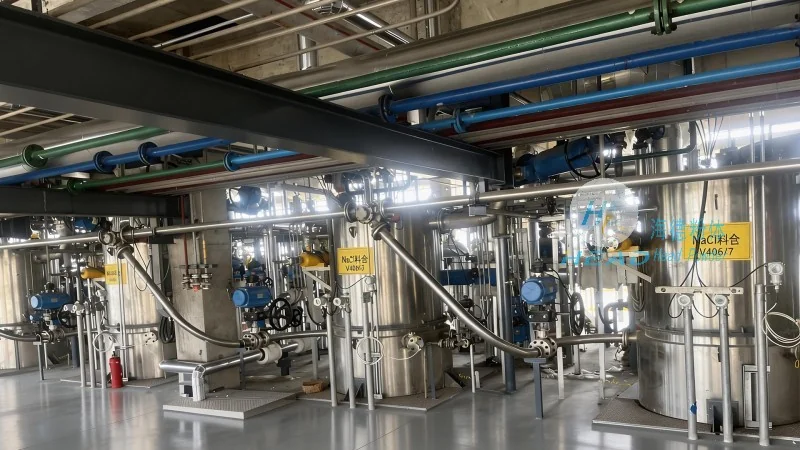
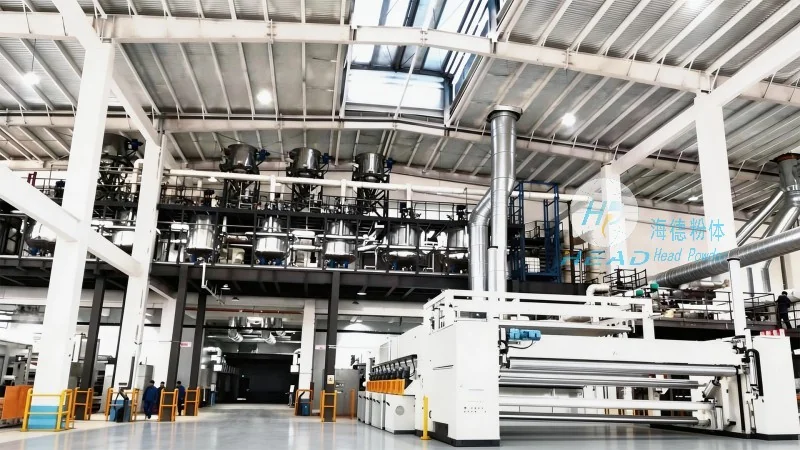
Silicate pneumatic conveying systems are widely used in various industrial sectors. In the ceramics industry, these systems efficiently transport raw materials like kaolin and feldspar to production lines, ensuring consistent quality and reducing material loss. In the glass manufacturing industry, they handle quartz and other silicate components, facilitating the feeding process in furnaces. The construction industry also benefits from these systems, as they transport sand, cement, and other silicate-based materials to job sites, improving operational efficiency and reducing labor costs. Additionally, in the chemical and pharmaceutical industries, pneumatic conveying systems are used to handle powders and granules, ensuring precise dosing and minimizing contamination.
About Shandong HeadPowder Engineering Co., Ltd.
Shandong HeadPowder Engineering Co., Ltd., operating under the brand name headpowder, is a leading manufacturer and supplier of advanced pneumatic conveying systems. With a focus on innovation and quality, the company specializes in designing and manufacturing customized solutions for handling silicate materials. Headpowder's team of engineers and technicians leverages years of experience to develop systems that meet the specific needs of clients in various industries. The company's commitment to customer satisfaction and technical excellence has established it as a trusted partner in the field of material handling. Headpowder's systems are known for their reliability, efficiency, and durability, making them a preferred choice for businesses seeking to optimize their material transportation processes.
Conclusion
Silicate pneumatic conveying systems represent a sophisticated and efficient solution for handling and transporting silicate materials in industrial applications. By understanding the key components, advantages, and applications of these systems, industries can enhance their operational efficiency and product quality. Shandong HeadPowder Engineering Co., Ltd. stands as a reliable partner in providing advanced pneumatic conveying solutions tailored to the unique requirements of silicate material handling. With a focus on innovation and customer-centric design, headpowder continues to contribute to the advancement of material handling technologies, supporting industries in achieving their operational goals.