

Analysis of Frac Sand Pneumatic Conveying Systems
Fracturing sand pneumatic conveying systems have become a critical component in the oil and gas industry, particularly for hydraulic fracturing operations. These systems are designed to efficiently transport frac sand from storage to the well site, ensuring optimal performance and cost-effectiveness. The technology behind these systems leverages pneumatic principles to move bulk materials through a pipeline using air pressure, offering a reliable and efficient solution for sand handling in high-pressure environments.
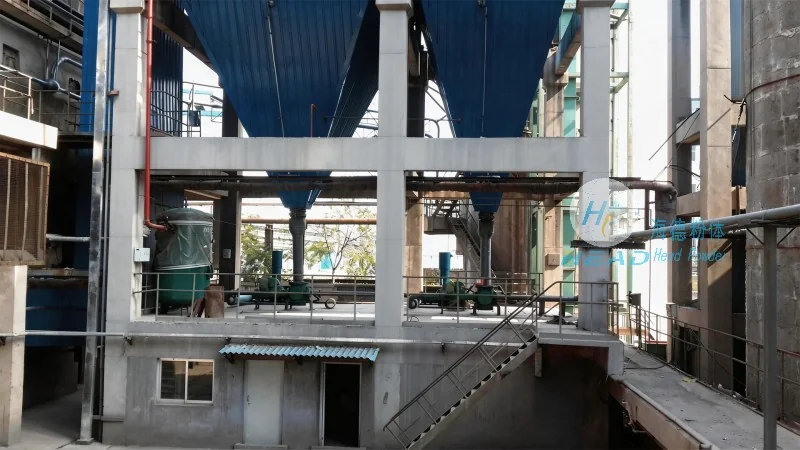
Introduction to Frac Sand Pneumatic Conveying Systems
The primary function of a frac sand pneumatic conveying system is to transport frac sand, a key proppant used in hydraulic fracturing, with minimal loss and maximum efficiency. Unlike traditional methods such as trucking or bucket elevators, pneumatic conveying systems provide a continuous, closed-loop operation that reduces material degradation and environmental impact. This technology is essential for modern oil and gas operations, where the demand for high-quality frac sand and efficient logistics is paramount.
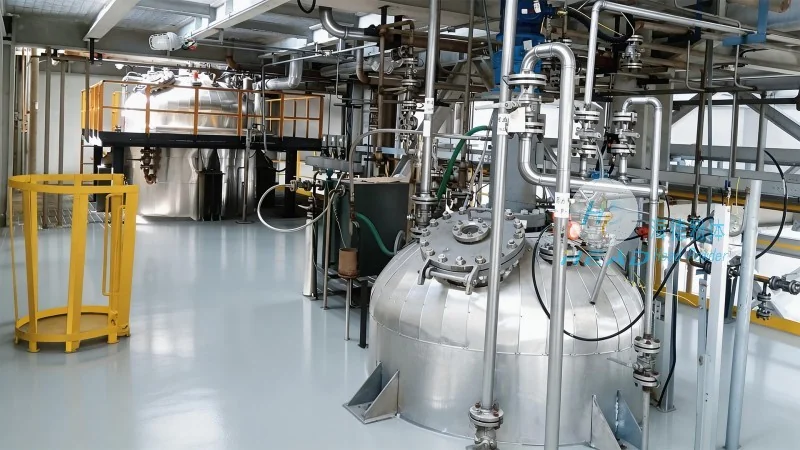
Company Overview: Shandong HeadPowder Engineering Co., Ltd.
HeadPowder, or Shandong HeadPowder Engineering Co., Ltd., is a leading manufacturer specializing in engineering solutions for bulk material handling. With operations based in Shandong, China, the company has established itself as a trusted provider of pneumatic conveying systems tailored to the needs of the oil and gas sector. HeadPowder combines advanced engineering expertise with practical application knowledge to deliver systems that meet stringent industry standards and operational requirements.
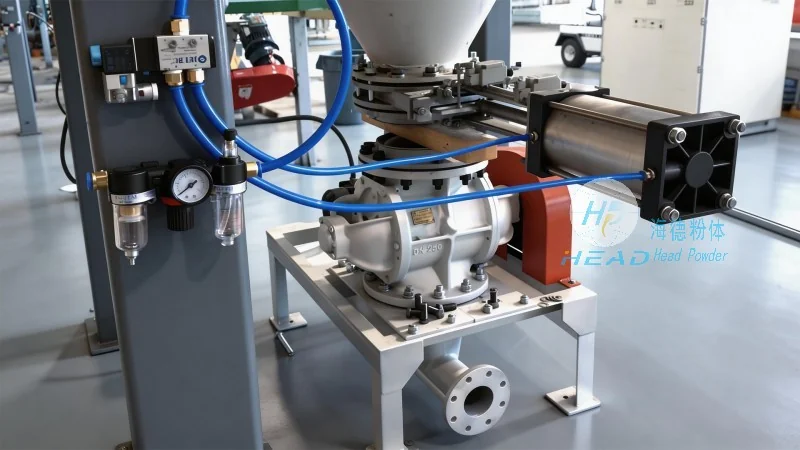
Key Features of the Pneumatic Conveying System
The frac sand pneumatic conveying system developed by HeadPowder incorporates several key features that enhance its performance and reliability. These include high-pressure air compressors, specialized sand pumps, and robust pipeline networks designed to handle the abrasive nature of frac sand. The system is engineered to minimize material degradation, reduce dust emissions, and ensure consistent flow rates, which are critical for maintaining the quality of the proppant and the efficiency of the fracturing process. Additionally, the closed-loop design of the system helps in controlling environmental impact by preventing sand loss and dust pollution.
Application and Benefits in Oil and Gas Operations
In oil and gas operations, the frac sand pneumatic conveying system offers numerous benefits that contribute to operational success. By eliminating the need for manual handling and truck transport, the system reduces labor costs and operational downtime. The continuous flow capability ensures a steady supply of frac sand to the well site, which is essential for maintaining the pace of fracturing operations. Furthermore, the system's ability to handle large volumes of sand efficiently reduces the overall logistics costs associated with proppant delivery. The technology also enhances safety by minimizing the exposure of personnel to dust and heavy lifting, thereby improving workplace safety standards.
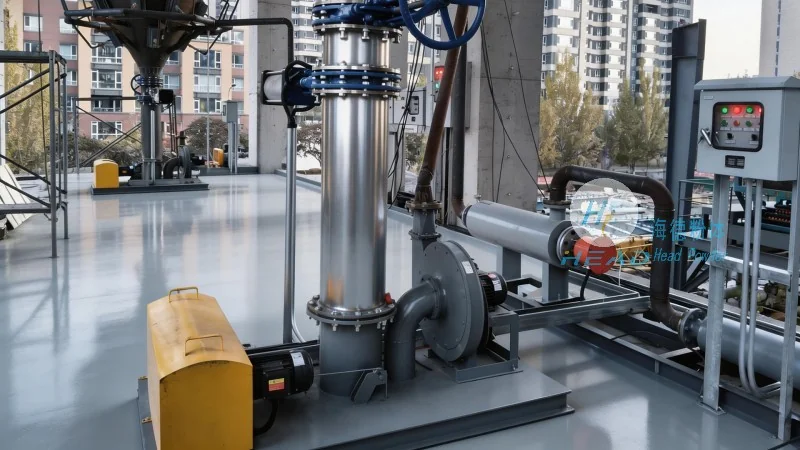
Technical Advantages and Efficiency
From a technical standpoint, the pneumatic conveying system utilizes advanced control systems and monitoring tools to optimize performance. These systems can be integrated with existing infrastructure, allowing for seamless integration into current operations. The use of high-efficiency air compressors and energy-saving designs helps in reducing operational costs and environmental footprint. The system's ability to handle abrasive materials without significant wear and tear also contributes to its long-term reliability and low maintenance requirements. Overall, the frac sand pneumatic conveying system provides a sustainable and efficient solution for frac sand transport, aligning with the industry's need for cost-effective and environmentally responsible operations.