

Preventing Pipeline Blockages in Pneumatic Conveying Systems for Polystyrene: Key Design Parameters
Polystyrene, a widely used thermoplastic material, poses unique challenges when transported via pneumatic conveying systems. Its lightweight, low-density nature, combined with potential moisture absorption and irregular particle shapes, can lead to operational issues such as pipeline blockages. These blockages not only disrupt production flow but also increase maintenance costs and downtime. To address these challenges, understanding the critical design parameters of pneumatic conveying systems is essential. This article explores effective strategies to prevent pipeline blockages in polystyrene handling and highlights key design considerations for reliable operation.
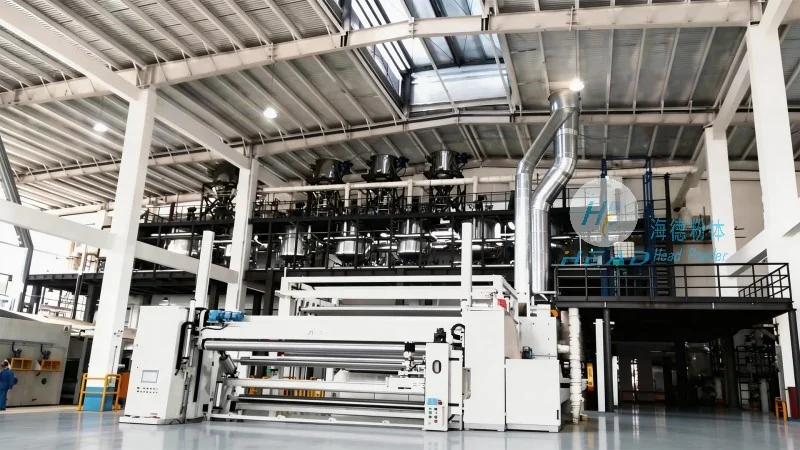
Understanding the Causes of Pipeline Blockages in Polystyrene Conveying
Pipeline blockages in pneumatic conveying systems for polystyrene are often caused by several factors. One primary issue is the material's tendency to agglomerate or stick together, especially when exposed to moisture or high humidity. Additionally, the irregular particle sizes and shapes of polystyrene can cause uneven flow, leading to localized pressure buildup and eventual blockage. Another critical factor is the system's air velocity and pressure, which must be optimized to maintain consistent material transport without causing excessive wear or energy consumption. By identifying these root causes, engineers can implement targeted solutions to mitigate blockage risks.
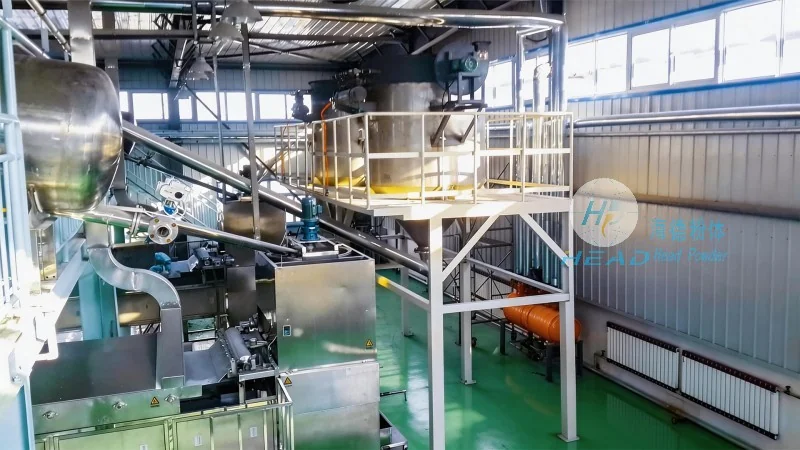
Key Design Parameters for Preventing Blockages in Pneumatic Conveying Systems
Several key design parameters play a crucial role in preventing pipeline blockages during polystyrene transport. The first is the air velocity, which must be maintained at an optimal level to ensure the material is fully entrained and transported without settling. For polystyrene, typical air velocities range from 20 to 30 meters per second, depending on the system configuration and material characteristics. Another critical parameter is the system's pressure, which should be carefully controlled to avoid excessive pressure differentials that can cause material to stick to pipe walls. The use of appropriate pipe diameters and smooth interior surfaces is also essential, as larger diameters reduce friction and pressure losses, while smooth surfaces minimize material adhesion.
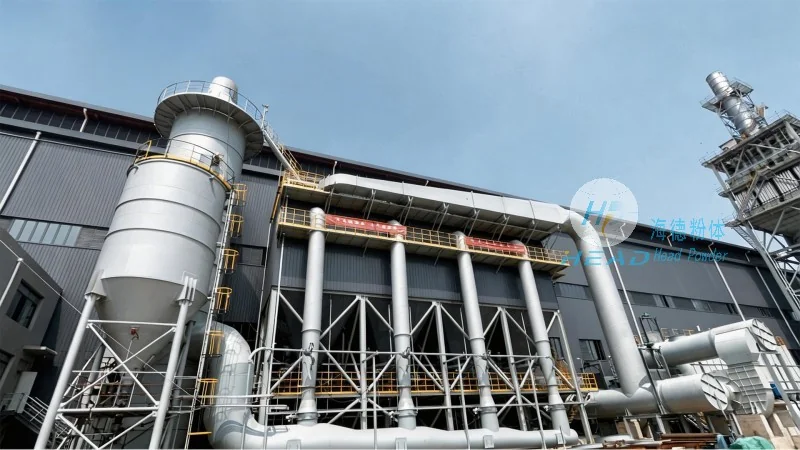
Material Handling and Conditioning Strategies
In addition to system design, material handling and conditioning strategies are vital for preventing blockages. Pre-drying polystyrene to remove moisture can significantly reduce agglomeration and improve flow characteristics. The use of vibrators or agitators in the hopper and feeder can also help break up clumps and ensure a consistent feed rate. Furthermore, incorporating air classifiers or cyclones in the system can help separate oversized or contaminated particles, preventing them from causing blockages downstream. These strategies, combined with proper system design, create a robust solution for reliable polystyrene transport.
System Maintenance and Monitoring for Continuous Operation
Even with optimal design, regular maintenance and monitoring are necessary to ensure long-term performance and prevent blockages. Regular cleaning of the pipeline, especially in areas prone to material buildup, is essential. The use of sensors to monitor air pressure, flow rates, and material levels can provide early warnings of potential blockages, allowing for timely intervention. Additionally, periodic inspection of the system components, such as valves and filters, can identify wear or damage before they lead to operational issues. By implementing a proactive maintenance schedule, operators can minimize downtime and maintain the efficiency of the pneumatic conveying system.
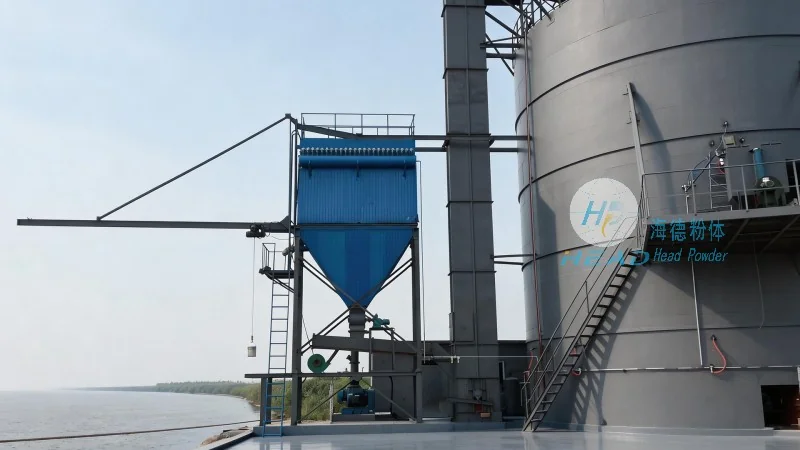
Conclusion: Ensuring Reliable Polystyrene Transport with Proper Design
Preventing pipeline blockages in pneumatic conveying systems for polystyrene requires a comprehensive approach that combines optimal system design, effective material handling strategies, and regular maintenance. By focusing on key parameters such as air velocity, pressure, pipe diameter, and material conditioning, engineers can create a system that operates efficiently and reliably. The expertise of companies like Shandong HeadPowder Engineering Co., Ltd. (headpowder) is invaluable in designing and implementing these solutions, ensuring that polystyrene is transported safely and effectively. With the right design and maintenance practices, pneumatic conveying systems can provide a cost-effective and efficient method for handling polystyrene, minimizing blockages and maximizing production uptime.