

How to Prevent Pipeline Blockages in the Pneumatic Conveying System for Sodium Stearate? Key Design
The pneumatic conveying system plays a crucial role in the transportation of sodium stearate, a widely used chemical in various industries such as cosmetics, pharmaceuticals, and food processing. However, one of the major challenges faced by operators is the risk of pipeline blockages, which can lead to system downtime, increased maintenance costs, and potential product contamination. Understanding how to mitigate these blockages through proper system design is essential for maintaining operational efficiency and product quality.
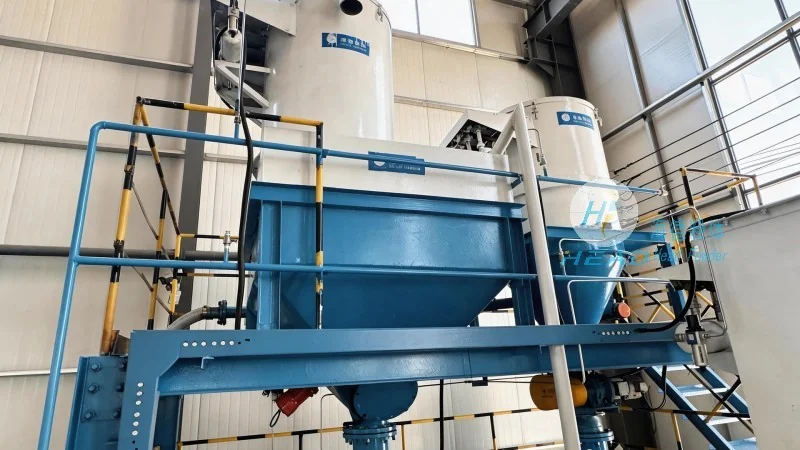
Understanding the Risks of Pipeline Blockages in Stearate Transport
Pipeline blockages in pneumatic conveying systems for sodium stearate can occur due to several factors, including the material's physical properties, the system's pressure and flow rates, and the design of the conveying line. Sodium stearate, being a fine powder with certain hygroscopic characteristics, can agglomerate or form lumps when exposed to moisture or improper handling. This agglomeration can quickly clog the pipeline, especially in horizontal or low-pressure sections of the system. Additionally, the velocity of the conveying air and the size of the powder particles are critical factors that influence the likelihood of blockage. If the air velocity is too low or the particle size is too large, the material may not be adequately suspended, leading to settling and subsequent blockage.
Key Design Parameters for Preventing Blockages in Pneumatic Systems
To prevent pipeline blockages in pneumatic conveying systems for sodium stearate, several key design parameters must be carefully considered and optimized. The first parameter is the air velocity, which should be maintained at a level sufficient to keep the powder particles in suspension throughout the conveying line. For sodium stearate, typical air velocities range from 20 to 30 meters per second, depending on the particle size and the system's configuration. Maintaining this velocity ensures that the material remains in a fluidized state, reducing the risk of agglomeration and blockage.
Another critical parameter is the system's pressure and pressure drop. The pressure must be sufficient to overcome the resistance of the conveying line and the material's resistance to flow. However, excessive pressure can lead to increased energy consumption and potential damage to the system components. The pressure drop across the system should be monitored regularly to identify any changes that may indicate blockage or system inefficiencies. Shandong HeadPowder Engineering Co., Ltd. recommends using pressure sensors and flow meters to continuously monitor these parameters and adjust the system as needed.
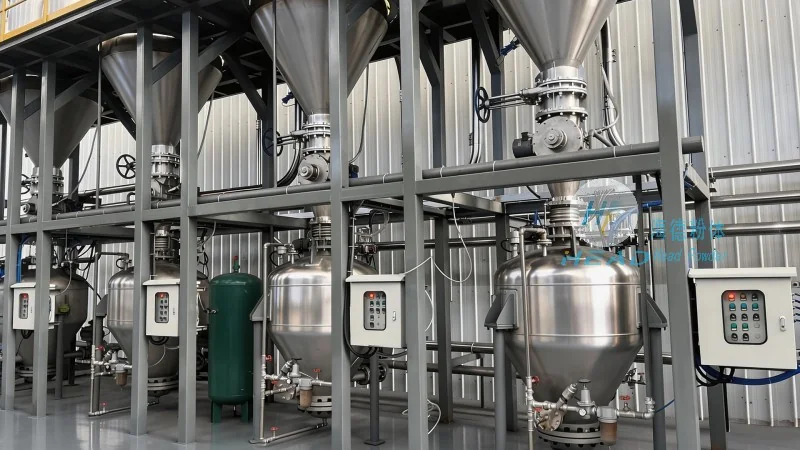
The Role of System Configuration and Material Properties
The design of the conveying line itself is also a key factor. The use of appropriate pipe materials, such as stainless steel or polyethylene, can help prevent corrosion and material buildup. The pipe diameter and length should be optimized to match the material's flow characteristics. For sodium stearate, a larger pipe diameter may be required to reduce the velocity and prevent excessive friction, which can lead to blockage. Additionally, the inclusion of bends and elbows in the system should be minimized or designed with smooth transitions to avoid areas where particles can accumulate and form blockages.
The role of the material's properties cannot be overlooked. Sodium stearate's hygroscopic nature means that it can absorb moisture from the air, leading to clumping. To mitigate this, the system should be designed with proper moisture control measures, such as using dry air or adding desiccants to the conveying line. The particle size distribution is also important; a more uniform particle size reduces the likelihood of agglomeration, as larger particles are more prone to sticking together.
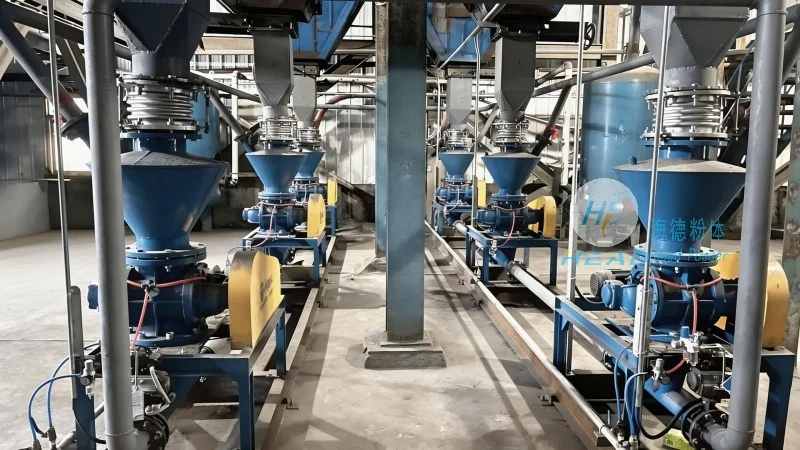
Practical Solutions from Shandong HeadPowder Engineering Co., Ltd.
Shandong HeadPowder Engineering Co., Ltd., a leading provider of pneumatic conveying solutions, offers comprehensive systems tailored to the specific needs of sodium stearate handling. The company's expertise lies in designing systems that incorporate all the key parameters discussed above, ensuring optimal performance and minimal blockage risk. Their systems are equipped with advanced monitoring and control technologies that allow for real-time adjustments to air velocity, pressure, and flow rates, adapting to changes in material conditions or system load.
The company's engineers work closely with clients to assess their specific requirements, including the volume of sodium stearate to be conveyed, the distance of the conveying line, and the existing infrastructure. Based on this assessment, they design customized solutions that may include a combination of positive pressure and negative pressure conveying, as well as the use of special components such as cyclones, filters, and rotary valves. These components are selected to ensure that the material is handled gently, minimizing the risk of degradation or blockage.
Ensuring Efficient and Reliable Stearate Conveyance
By focusing on the key design parameters and implementing the solutions provided by Shandong HeadPowder Engineering Co., Ltd., operators can significantly reduce the risk of pipeline blockages in pneumatic conveying systems for sodium stearate. This not only improves operational efficiency but also enhances product quality and safety. The company's commitment to quality and customer satisfaction ensures that their systems are built to last, providing reliable service for years to come.