

How to Prevent Pipeline Blockages in Pneumatic Conveying Systems for Lime Powder Transport? Key Desi
Transporting lime powder using pneumatic conveying systems presents unique challenges, with pipeline blockages being a common and costly issue. The fine particle size, hygroscopic behavior, and tendency of lime powder to agglomerate make it prone to clogging in the conveying lines. To ensure efficient and reliable operation, understanding and implementing key design parameters is crucial. This article delves into effective strategies and critical design elements that help prevent blockages, maintaining optimal performance in lime powder transport systems.
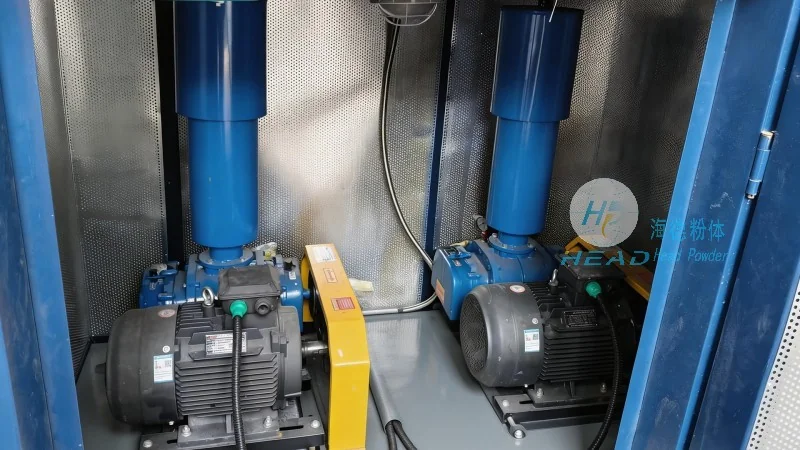
Understanding the Challenges of Lime Powder Conveying
Lime powder, often used in industrial processes such as flue gas desulfurization and water treatment, is characterized by its fine, dry particles. These particles can easily adhere to the inner walls of the conveying pipes, forming deposits that gradually reduce the cross-sectional area and eventually lead to complete blockage. Additionally, the hygroscopic nature of lime powder means it absorbs moisture from the air, which can cause clumping and further exacerbate clogging issues. The design of the pneumatic conveying system must account for these physical properties to minimize the risk of blockages.
Key Design Parameters for Preventing Blockages
Several critical design parameters play a vital role in preventing pipeline blockages in pneumatic conveying systems for lime powder. These parameters are interrelated and must be optimized to achieve a balanced system that ensures efficient transport while minimizing the risk of clogs.
1. System Pressure and Flow Rate
The pressure and flow rate of the air or gas used in the pneumatic conveying system are fundamental to preventing blockages. Higher pressure can help maintain a consistent flow of particles, reducing the likelihood of agglomeration and clogging. However, excessive pressure may lead to increased wear on components and higher energy consumption. The optimal pressure range for lime powder conveying typically falls between 0.5 to 1.5 bar, depending on the particle size and system configuration. The flow rate must be sufficient to keep the particles in suspension and prevent settling, which is essential for avoiding blockages. A well-designed system ensures that the velocity of the gas is high enough to maintain particle suspension without causing excessive pressure drops that could lead to clogs.
2. Powder-to-Air Ratio (P/A Ratio)
The powder-to-air ratio, or P/A ratio, is a critical parameter that determines the amount of material being conveyed per unit volume of air. An improper P/A ratio can lead to overloading the system, causing particles to settle and accumulate in the pipes. For lime powder, an optimal P/A ratio is typically between 5 to 15 kg of powder per cubic meter of air. Maintaining this ratio ensures that the particles remain suspended and do not form a dense plug that can cause blockages. Overloading the system by increasing the P/A ratio beyond the recommended range can result in reduced conveying efficiency and increased risk of clogging. Conversely, a too-low P/A ratio may lead to underutilization of the system and higher energy costs.
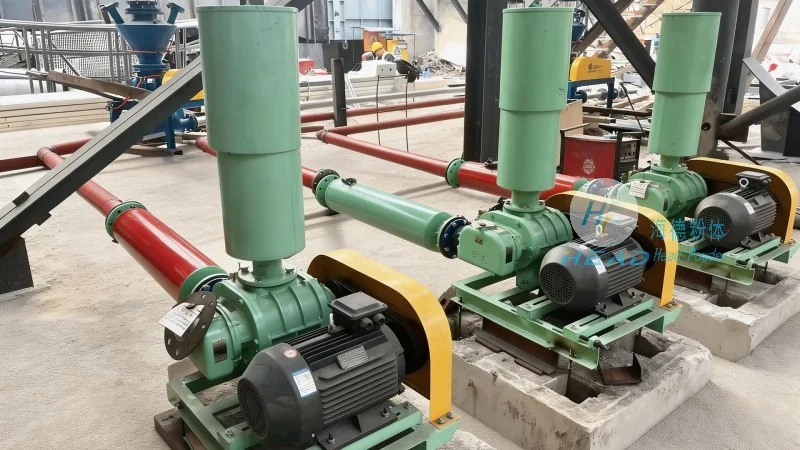
3. Pipe Diameter and Length
The diameter of the conveying pipes and the total length of the system are important design considerations. Larger pipe diameters reduce the risk of blockages by providing more space for particles to move without settling. However, larger diameters also increase the cost of the system and may require more air to maintain the same flow rate. The optimal pipe diameter for lime powder conveying is usually between 50 to 150 mm, depending on the material flow rate and system layout. The total length of the conveying line also affects the pressure drop and the risk of blockages. Longer lines may require additional booster stations to maintain sufficient pressure and prevent pressure losses that could lead to clogs. Properly sizing the pipe diameter and length ensures that the system operates within the optimal pressure range and reduces the likelihood of blockages.
4. Solids Loading and Suspension Velocity
Solids loading refers to the proportion of solid material to the total volume of the conveying medium. The suspension velocity is the minimum gas velocity required to keep the particles in suspension. For lime powder, the suspension velocity is typically around 15 to 25 m/s. Ensuring that the gas velocity exceeds this threshold is essential to prevent particles from settling and forming a clog. The solids loading should be kept within the recommended range to avoid overloading the system. A higher solids loading increases the risk of blockages as the particles have less space to move and are more likely to agglomerate. Maintaining an appropriate suspension velocity and solids loading helps keep the particles in a suspended state, reducing the risk of pipeline blockages.
5. Material Handling Equipment and Components
The type and condition of the material handling equipment, such as the feeders, cyclones, and separators, also impact the risk of blockages. Properly designed feeders ensure a consistent and controlled flow of lime powder into the system, preventing surges that could lead to clogs. Cyclones and separators are used to separate the powder from the air and return it to the system, and their design must be optimized to prevent material buildup and blockages. Regular maintenance of these components is essential to ensure they operate efficiently and do not contribute to blockages. Using high-quality, wear-resistant materials for the components can also extend their lifespan and reduce the risk of failure that could lead to clogs.
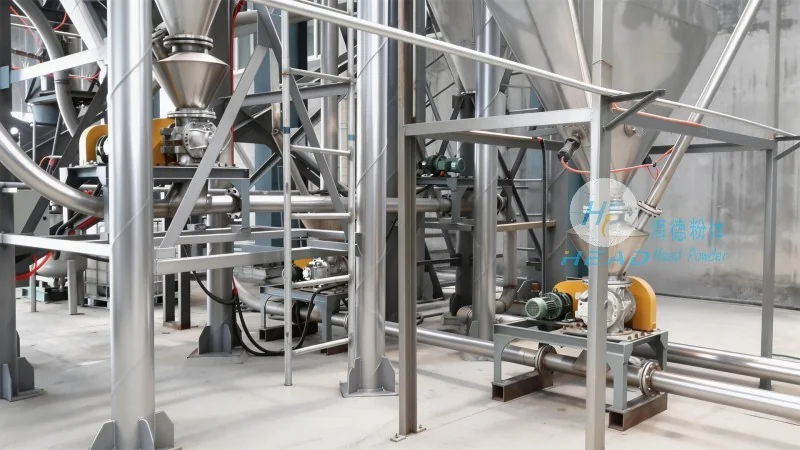
6. System Layout and Piping Design
The layout of the pneumatic conveying system, including the arrangement of pipes, bends, and fittings, plays a significant role in preventing blockages. Sharp bends and narrow sections in the piping can cause particles to settle and accumulate, leading to clogs. Using smooth, rounded bends and avoiding sharp turns can help maintain the flow of particles and reduce the risk of blockages. The system layout should also consider the elevation changes, as vertical sections may require additional pressure to maintain particle suspension. Properly designed piping with minimal changes in direction and diameter helps ensure consistent flow and reduces the likelihood of clogs.
Case Study: Successful Implementation by Shandong HeadPowder Engineering Co., Ltd.
Shandong HeadPowder Engineering Co., Ltd., a leading provider of pneumatic conveying solutions, has successfully implemented systems to prevent blockages in lime powder transport. The company specializes in designing and manufacturing customized pneumatic conveying systems tailored to the specific needs of clients. By focusing on the key design parameters discussed above, HeadPowder has helped clients achieve efficient and reliable lime powder transport with minimal blockage incidents.
For example, a client in the flue gas desulfurization industry required a system to transport lime powder over a distance of 200 meters. The HeadPowder team designed a system with a pressure of 1 bar, a P/A ratio of 10 kg/m³, and a pipe diameter of 100 mm. The system was equipped with a rotary valve feeder and a cyclone separator, both designed to handle the hygroscopic nature of lime powder. The suspension velocity was maintained at 20 m/s, ensuring that the particles remained in suspension throughout the conveying process. The system has been in operation for over two years with no significant blockages, demonstrating the effectiveness of the design approach.
Conclusion
Preventing pipeline blockages in pneumatic conveying systems for lime powder is a multifaceted challenge that requires careful consideration of key design parameters. By optimizing system pressure, flow rate, powder-to-air ratio, pipe diameter, solids loading, and equipment design, operators can significantly reduce the risk of blockages and improve the overall efficiency of their lime powder transport systems. Shandong HeadPowder Engineering Co., Ltd. offers expertise and customized solutions to help clients achieve these goals, ensuring reliable and cost-effective operation of pneumatic conveying systems for lime powder.