

How to Prevent Pipeline Blockages in Pneumatic Conveying Systems for Gypsum and Plaster Powders? Key
For industrial applications involving the transport of gypsum and plaster powders, the reliability of pneumatic conveying systems is paramount. However, these systems are often susceptible to pipeline blockages, which can halt production and lead to costly downtime. Understanding the critical design parameters that mitigate blockage risks is essential for maintaining efficient and uninterrupted operations. This article explores effective strategies and key considerations for preventing pipeline blockages in pneumatic conveying systems specifically tailored for gypsum and plaster powders, with insights from Shandong HeadPowder Engineering Co., Ltd., a leading provider in the field.
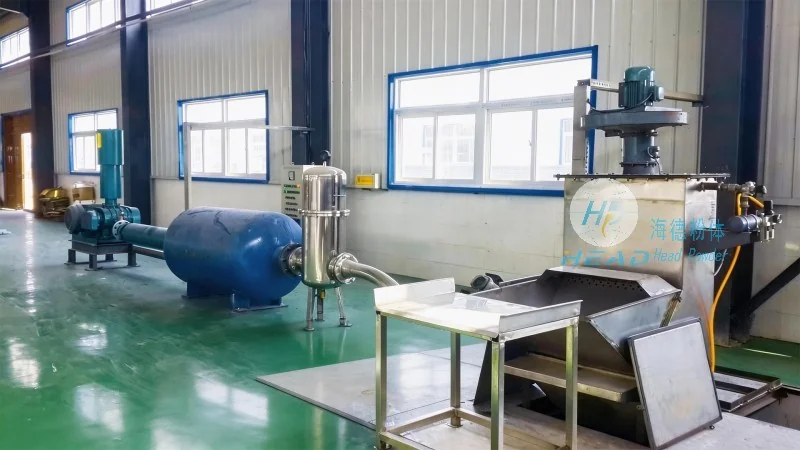
Understanding the Challenges of Gypsum and Plaster Powder Conveyance
Gypsum and plaster powders are characterized by their fine particle size, high moisture content, and tendency to agglomerate. These properties make them prone to forming solid deposits or "ratholes" within the conveying pipeline, which can obstruct airflow and cause blockages. Unlike bulkier materials, these powders require precise control of air velocity, pressure, and material flow rate to ensure smooth transport. The design of the pneumatic conveying system must account for these unique material characteristics to prevent operational issues.
Key Design Parameters for Preventing Pipeline Blockages
Several critical design parameters play a pivotal role in preventing pipeline blockages in pneumatic conveying systems for gypsum and plaster powders. These parameters are carefully optimized to maintain a stable and consistent flow of material, ensuring that the system operates within safe and efficient parameters.
1. Air Velocity and Pressure Management
Optimal air velocity is a fundamental factor in preventing blockages. Insufficient air velocity can lead to material settling and agglomeration, while excessively high velocity may cause excessive wear on the pipeline and equipment. The recommended air velocity for gypsum and plaster powders typically ranges between 20 to 30 meters per second, depending on the particle size and density. Proper pressure control, often achieved through positive pressure systems, ensures that the air flow maintains sufficient momentum to keep the material suspended and moving through the pipeline. Shandong HeadPowder Engineering Co., Ltd. emphasizes the importance of monitoring and adjusting pressure dynamically to adapt to variations in material feed rate and pipeline length.
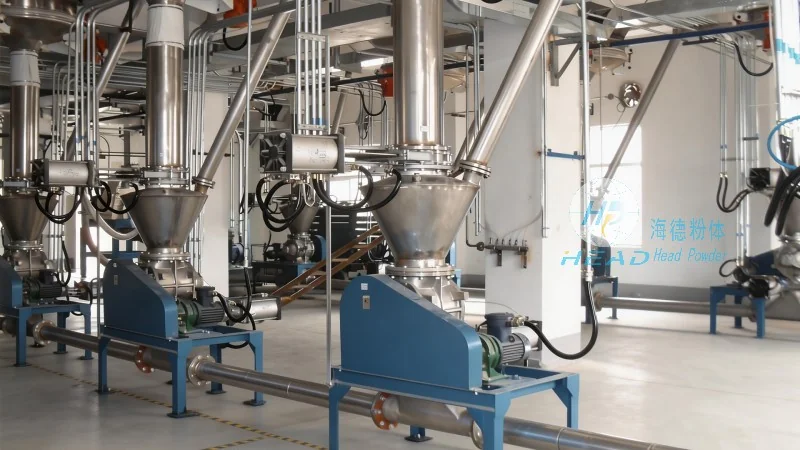
2. Material Feed Rate and Consistency
Uniform and controlled material feed is crucial to avoid overloading the conveying system. Fluctuations in feed rate can lead to surges or drops in material flow, which may cause uneven distribution of particles and increase the risk of blockages. Automated feed systems, such as screw feeders or rotary valves, are commonly used to regulate the flow rate and maintain a steady supply of gypsum and plaster powders. These systems help prevent sudden surges that could overwhelm the pneumatic conveying system and lead to pipeline obstructions.
3. Pipeline Sizing and Material of Construction
The diameter and material of the conveying pipeline are critical design choices. Larger diameter pipelines reduce the risk of particle accumulation and blockages by providing more space for material to move and preventing high particle concentrations. Stainless steel or corrosion-resistant materials are often preferred for transporting gypsum and plaster powders due to their resistance to chemical reactions and wear from abrasive particles. Properly sized and constructed pipelines minimize friction and pressure losses, ensuring that the air flow remains stable and the material is conveyed efficiently.
4. Inclination and Pipeline Layout
The angle of inclination and overall layout of the conveying pipeline significantly impact the risk of blockages. Horizontal or slightly inclined pipelines are generally preferred over vertical or steeply inclined ones, as they reduce the likelihood of material settling and forming deposits. Properly designed bends and elbows with smooth transitions also help maintain consistent air flow and prevent turbulence that could lead to particle accumulation. Shandong HeadPowder Engineering Co., Ltd. recommends a gradual change in direction and avoiding sharp angles to minimize the risk of blockages and ensure smooth material transport.
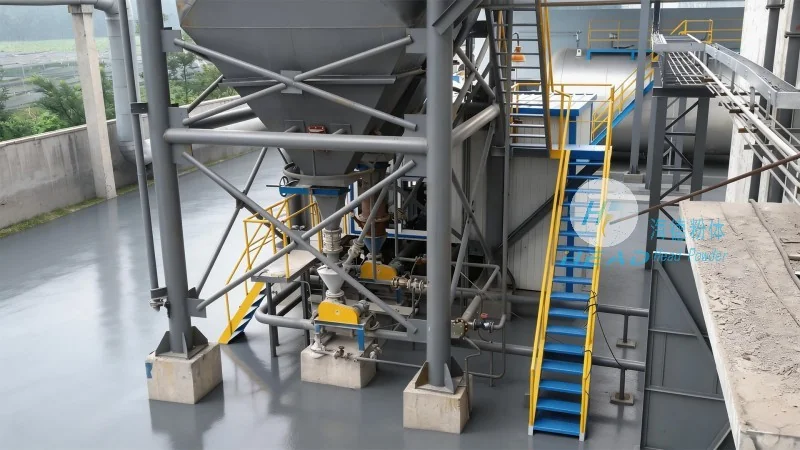
5. Moisture Control and Material Conditioning
Controlling moisture content is essential for preventing agglomeration and blockages in gypsum and plaster powders. Excess moisture can cause the particles to stick together, forming clumps that are difficult to dislodge. Pre-drying or conditioning the material before conveying can reduce moisture levels and improve flow characteristics. Additionally, incorporating moisture sensors and feedback loops in the system allows for real-time adjustments to maintain optimal moisture content, further reducing the risk of blockages.
Implementation Strategies from Shandong HeadPowder Engineering Co., Ltd.
Shandong HeadPowder Engineering Co., Ltd. provides comprehensive solutions tailored to the unique challenges of gypsum and plaster powder conveyance. The company’s expertise lies in designing customized pneumatic conveying systems that incorporate the key design parameters discussed above. By leveraging advanced engineering and material science, HeadPowder ensures that their systems are optimized for efficiency, reliability, and minimal downtime. Their approach includes thorough material analysis, system simulation, and on-site testing to validate design parameters and prevent potential blockages before installation.
Conclusion: Ensuring Reliable Operations with Proper Design
Preventing pipeline blockages in pneumatic conveying systems for gypsum and plaster powders requires a holistic approach that considers multiple design parameters. By focusing on air velocity and pressure management, material feed consistency, pipeline sizing and material, pipeline layout, and moisture control, industrial facilities can significantly reduce the risk of operational disruptions. Shandong HeadPowder Engineering Co., Ltd. stands as a trusted partner in implementing these strategies, offering expert guidance and customized solutions to meet the specific needs of their clients. With proper design and maintenance, pneumatic conveying systems can deliver reliable and efficient transport of gypsum and plaster powders, supporting smooth production processes and minimizing costly downtime.