

Preventing Pipe Blockages in Pneumatic Conveying Systems for Wheat Flour: Key Design Parameters
Wheat flour is a critical raw material in the food and baking industries, and its efficient transportation is essential for maintaining production efficiency and product quality. Pneumatic conveying systems have emerged as a preferred method for handling wheat flour due to their ability to transport fine powders with minimal contamination. However, a major challenge in these systems is the risk of pipe blockages, which can lead to production interruptions and increased maintenance expenses. Understanding how to prevent these blockages and the key design parameters involved is crucial for optimizing the performance of pneumatic conveying systems in wheat flour transportation.
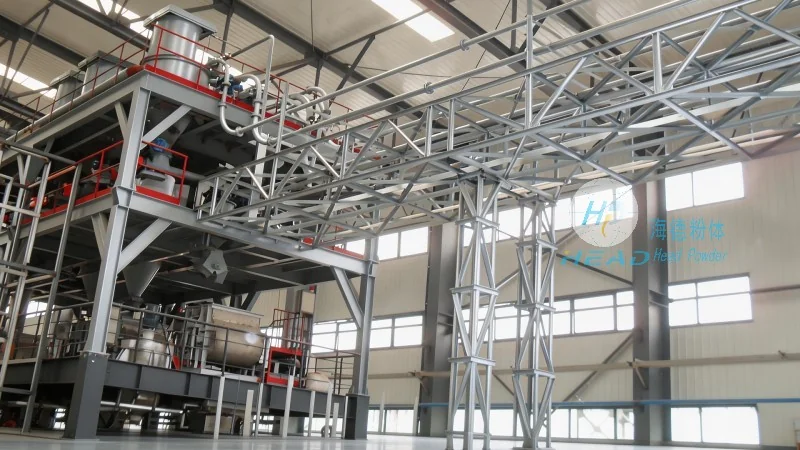
Understanding Pneumatic Conveying Systems for Wheat Flour
Pneumatic conveying systems utilize air or other gases to transport bulk materials like wheat flour through a pipeline. These systems are categorized into dilute-phase and dense-phase systems. Dilute-phase systems operate at higher velocities (typically 20-30 m/s) and are suitable for short-distance transport. Dense-phase systems, conversely, operate at lower velocities (5-15 m/s) and higher pressure, making them ideal for longer distances and more sensitive materials. The selection between these systems depends on factors such as the distance to be covered, the material's characteristics, and the required flow rate.
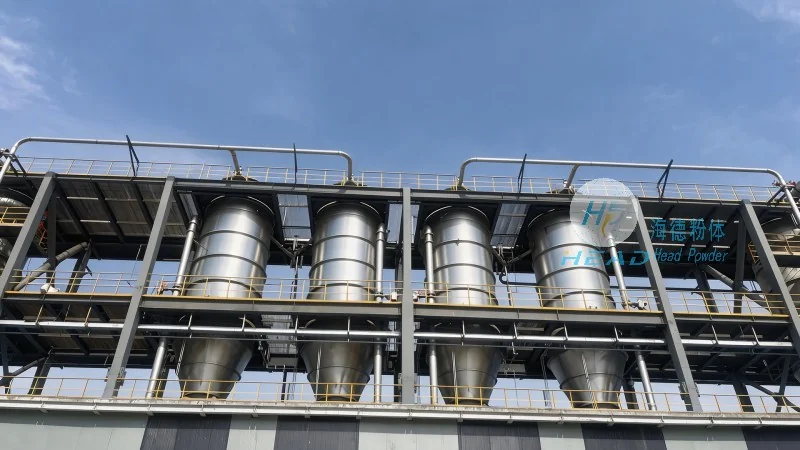
Common Causes of Pipe Blockages in Wheat Flour Conveying
Several factors contribute to pipe blockages in pneumatic conveying systems for wheat flour. One primary cause is the formation of agglomerates or clumps within the flour particles. This can result from variations in moisture content, temperature changes, or the presence of foreign materials. When these clumps form, they can obstruct the pipeline, especially in bends or elbows where flow velocity decreases. Another factor is the excessive moisture content in the flour, which causes particles to stick together and adhere to pipe walls. Additionally, system design issues, such as insufficient air velocity or inadequate pipeline diameter, can contribute to blockages by failing to maintain material suspension.
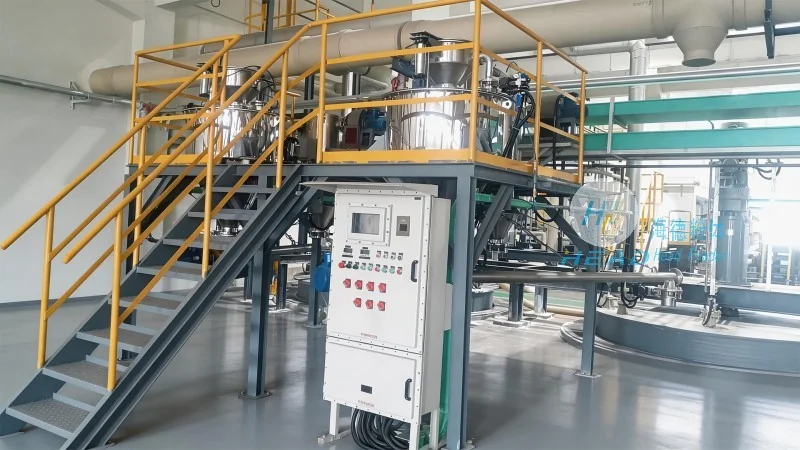
Key Design Parameters to Prevent Pipe Blockages
To prevent pipe blockages in pneumatic conveying systems for wheat flour, several key design parameters must be optimized. The first parameter is the air velocity or conveying velocity. Maintaining an appropriate air velocity is vital to keep flour particles suspended and prevent settlement. For wheat flour, a typical conveying velocity ranges from 20 to 30 m/s in dilute-phase systems. The second parameter is the pipeline diameter. The diameter should be selected based on material flow characteristics and desired flow rate. A larger diameter reduces air and material velocity, helping prevent blockages by providing more air for suspension. However, excessive diameter increases energy consumption. The third parameter is system pressure and flow rate. The system must maintain sufficient pressure to overcome pipeline resistance and ensure consistent flow. Flow rate should match production capacity to avoid overloading. The fourth parameter involves using optimized fittings and elbows. Bends and elbows should be designed to minimize particle accumulation; smooth, rounded fittings help maintain flow velocity and prevent blockages. Additionally, incorporating cleaning mechanisms like reverse flow or pulse jets can remove accumulated material and sustain system performance.
Role of Material Characteristics in System Design
The characteristics of wheat flour itself significantly impact system design. Wheat flour is a fine powder with a high surface area, making it prone to agglomeration. Moisture content, particle size distribution, and bulk density all affect material behavior in the conveying system. For instance, higher moisture content leads to clumping, while a wide particle size distribution causes uneven flow. Understanding the specific properties of the wheat flour being transported is essential for selecting the appropriate conveying system and design parameters. Companies like Shandong HeadPowder Engineering Co., Ltd. specialize in designing and manufacturing pneumatic conveying systems tailored to unique flour characteristics, ensuring optimal performance and minimal blockage risk.
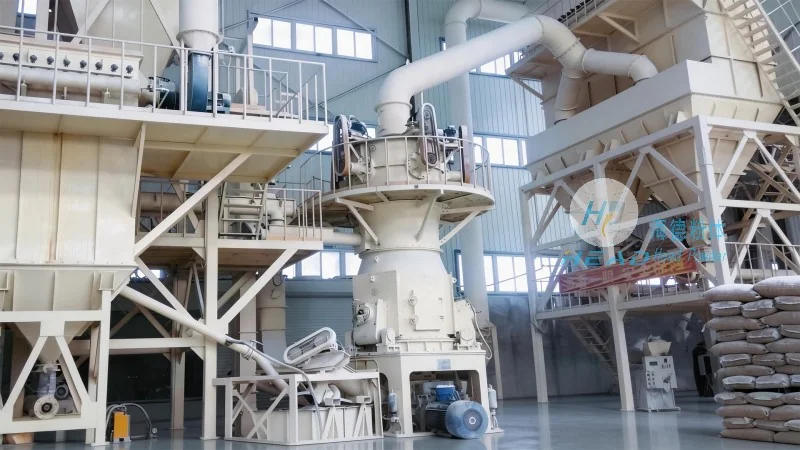
Conclusion and Recommendations
Preventing pipe blockages in pneumatic conveying systems for wheat flour is a critical aspect of maintaining efficient operations in the food and baking industries. By carefully considering key design parameters such as air velocity, pipeline diameter, pressure, and material characteristics, system designers can minimize blockage risks and ensure smooth, continuous operation. Regular monitoring and maintenance are also essential to detect and address potential issues early. Companies like Shandong HeadPowder Engineering Co., Ltd. offer expertise and customized solutions to help businesses in the wheat flour industry optimize their pneumatic conveying systems and avoid costly downtime due to blockages. By investing in proper system design and maintenance, companies can enhance production efficiency and product quality, contributing to long-term success.