

Preventing Pipeline Blockages in Pneumatic Conveying Systems for Alloy Powders: Key Design Parameter
When it comes to transporting alloy powders using pneumatic conveying systems, preventing pipeline blockages is a critical challenge that can significantly impact operational efficiency and product quality. The proper design and implementation of key parameters are essential to ensure smooth and reliable material handling. This article explores effective strategies and design considerations to mitigate blockages in pneumatic conveying systems for alloy powders, with a focus on the expertise of Shandong HeadPowder Engineering Co., Ltd., a leading provider based in China.
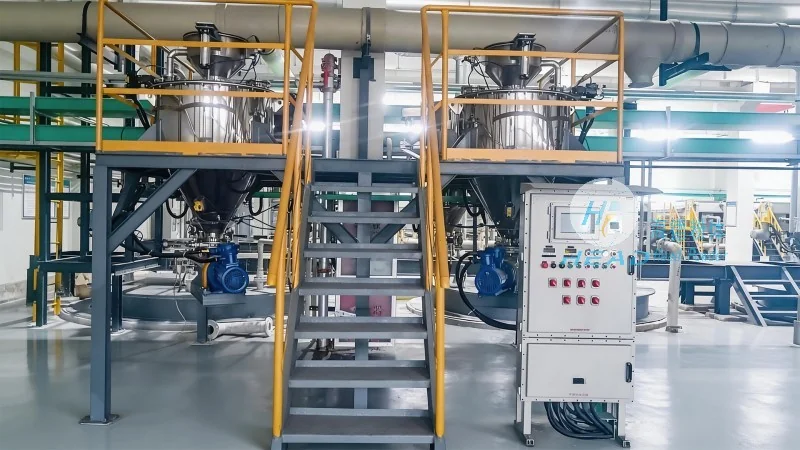
Understanding the Challenges of Alloy Powder Conveyance
Alliance powders, such as those used in metal alloys, often present unique challenges during pneumatic transport. Their particle size, density, and flow characteristics can lead to issues like agglomeration, bridging, and increased friction within the pipeline. These factors contribute to the risk of blockages, which can cause system downtime, equipment damage, and potential safety hazards. Therefore, a thorough understanding of the material properties and the design of the conveying system is paramount.
Key Design Parameters for Preventing Blockages
Several critical design parameters must be carefully considered to minimize the risk of pipeline blockages in pneumatic conveying systems for alloy powders. These parameters include:
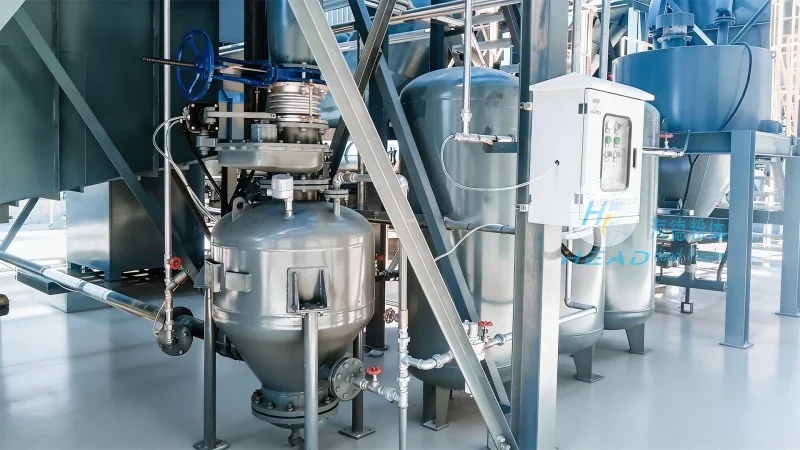
1. **Air Velocity and Flow Rate**: Maintaining an appropriate air velocity is fundamental. Insufficient air velocity can cause the powder to settle and agglomerate, while excessive velocity may lead to excessive pressure drops and wear on components. The optimal air velocity depends on the specific characteristics of the alloy powder, such as particle size distribution and bulk density. Shandong HeadPowder Engineering Co., Ltd. specializes in determining the ideal flow rates and air velocities for different alloy powders to ensure efficient and blockage-free transport.
2. **Pipeline Sizing and Layout**: The diameter and length of the conveying pipeline, as well as the layout (e.g., vertical vs. horizontal sections), play a crucial role in preventing blockages. Properly sized pipelines with gradual transitions and minimal bends reduce the likelihood of powder accumulation and bridging. The company’s engineers at Shandong HeadPowder Engineering Co., Ltd. design custom pipeline systems tailored to the specific requirements of alloy powders, ensuring optimal flow and preventing blockages.
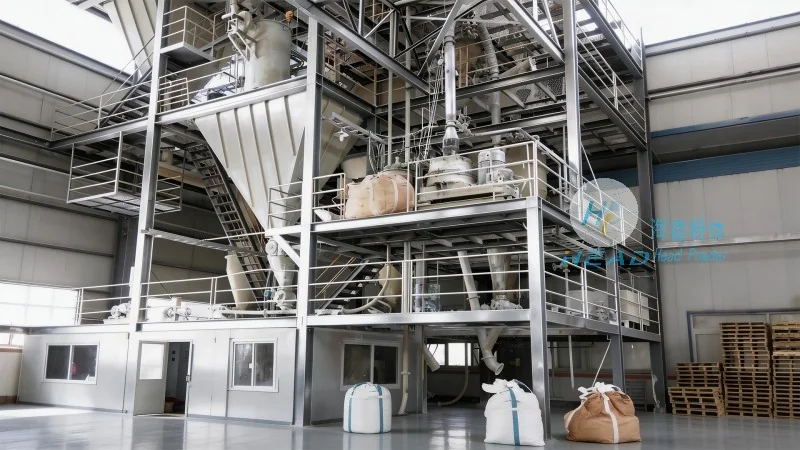
3. **Inlet and Outlet Design**: The design of the inlet and outlet points is another critical factor. Inlet designs that promote uniform powder distribution and prevent localized concentration of material help prevent blockages. Similarly, outlet designs that allow for smooth discharge without causing powder buildup are essential. Shandong HeadPowder Engineering Co., Ltd. incorporates advanced inlet and outlet configurations in their systems to enhance material flow and reduce the risk of blockages.
4. **Material of Construction**: The choice of materials for the pipeline and components is vital, especially when handling abrasive or corrosive alloy powders. Using materials that resist wear and corrosion, such as stainless steel or specialized alloys, can extend the system's lifespan and prevent internal blockages caused by material degradation. The company's expertise in material selection ensures that the conveying systems are built to withstand the demands of alloy powder transport.
Additional Strategies for Blockage Prevention
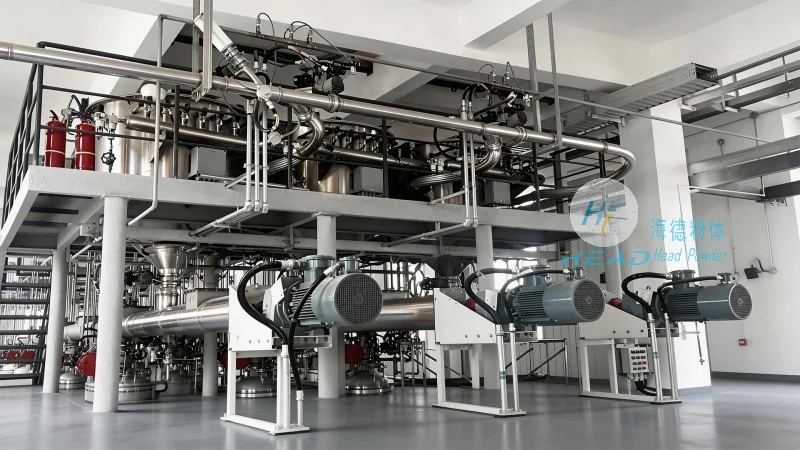
Beyond the core design parameters, several operational and maintenance strategies can further reduce the risk of blockages. Regular cleaning and maintenance of the system, including the use of cleaning tools and periodic inspection, are essential. Additionally, monitoring system performance through pressure sensors and flow meters allows for early detection of potential blockage issues. Shandong HeadPowder Engineering Co., Ltd. provides comprehensive support, including maintenance services and system monitoring solutions, to ensure the long-term reliability of pneumatic conveying systems for alloy powders.
Conclusion
Preventing pipeline blockages in pneumatic conveying systems for alloy powders requires a combination of careful design, appropriate material selection, and effective operational practices. By focusing on key parameters such as air velocity, pipeline layout, inlet/outlet design, and material construction, as well as implementing regular maintenance and monitoring, companies can ensure efficient and reliable material handling. Shandong HeadPowder Engineering Co., Ltd., with its expertise and commitment to quality, offers tailored solutions to address these challenges and optimize the performance of pneumatic conveying systems for alloy powders. Based in China, the company serves industries that rely on the precise and safe transport of alloy powders, providing reliable and effective solutions to prevent blockages and enhance operational efficiency.