

How to Prevent Pipeline Blockages in Pneumatic Conveying Systems for Quicklime Transport? Key Design
For industries dealing with quicklime transport, the efficiency and reliability of pneumatic conveying systems are critical. A common challenge is pipeline blockages, which can halt operations and lead to costly downtime. Understanding and implementing the right design parameters are essential to mitigate these risks. This article explores how to prevent pipeline blockages in pneumatic conveying systems specifically for quicklime transport, highlighting key design considerations.
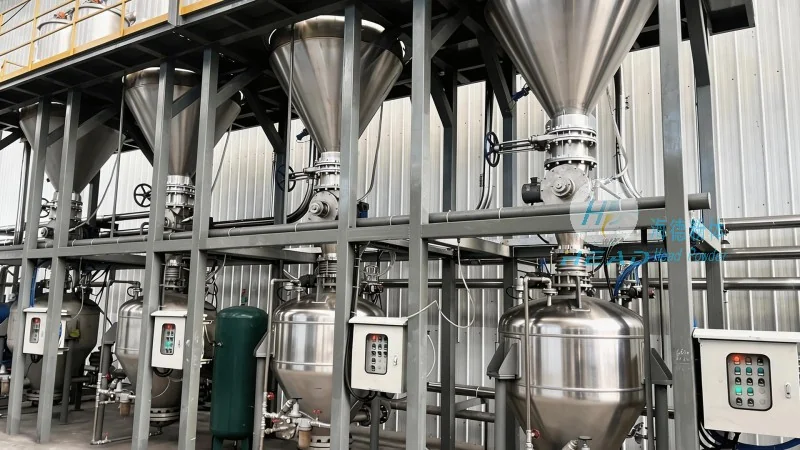
Understanding Quicklime and Its Challenges in Pneumatic Conveying
Quicklime, or calcium oxide (CaO), is a highly reactive material often used in industrial processes such as steelmaking, water treatment, and chemical manufacturing. Its properties, including high moisture absorption and potential for agglomeration, make it prone to causing blockages in traditional conveying systems. Pneumatic conveying offers a solution by using air to transport the material, but the system must be carefully designed to handle these challenges.
Key Design Parameters to Prevent Pipeline Blockages
Several critical design parameters must be considered to ensure smooth and unobstructed flow of quicklime through pneumatic conveying pipelines. These parameters directly impact the system's ability to prevent blockages and maintain operational efficiency.
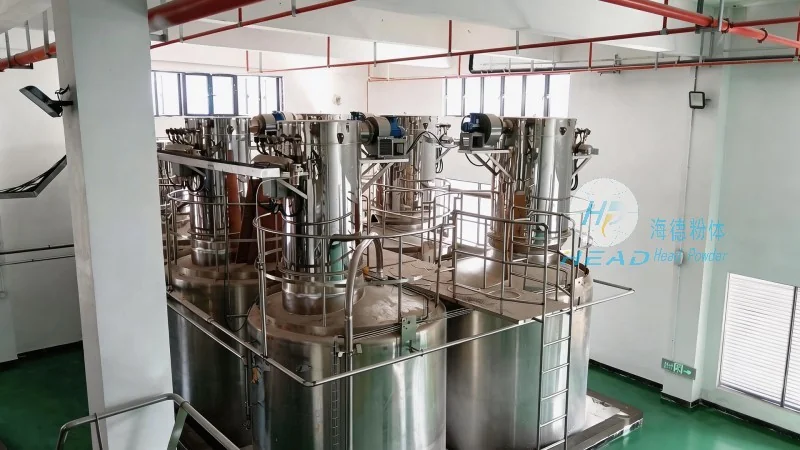
Pipeline Diameter and Material Selection
The diameter of the conveying pipeline is a primary factor in preventing blockages. Larger diameters reduce the risk of material accumulation and allow for higher air velocities, which help maintain flow. However, the material of the pipeline itself is equally important. Materials like stainless steel or high-density polyethylene (HDPE) are preferred for their resistance to corrosion and wear, which can otherwise contribute to blockages over time. Shandong HeadPowder Engineering Co., Ltd. (headpowder) recommends selecting pipelines with diameters that are at least 1.5 times the particle size of the quicklime being transported, ensuring adequate space for material movement.
Air Velocity and Gas-Solid Ratio
Air velocity is a critical parameter that determines the conveying capacity and the likelihood of blockages. The optimal air velocity for quicklime typically ranges between 20 to 30 meters per second, depending on the particle size and density. A higher velocity helps to keep the material suspended and moving, reducing the chance of settling and clogging. The gas-solid ratio, which is the ratio of air volume to material volume, must also be carefully controlled. An appropriate ratio ensures that the air provides sufficient lift and momentum to transport the quicklime without causing excessive pressure drops or energy consumption. headpowder's engineering team emphasizes that maintaining a consistent gas-solid ratio is key to preventing uneven flow and potential blockages.
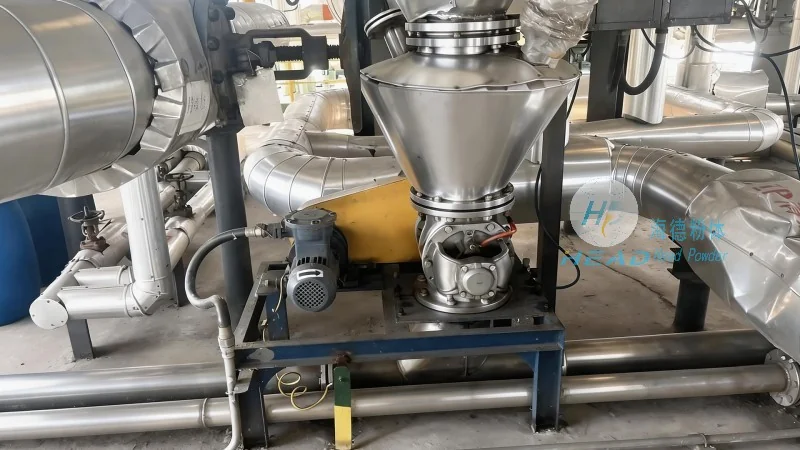
Pipeline Layout and Bends
The layout of the conveying system, including the number and angle of bends, significantly affects the risk of blockages. Sharp bends or excessive changes in direction can cause the quicklime to settle and accumulate, especially if the air velocity is insufficient. Designing the system with gradual bends and smooth transitions helps to maintain the material's suspension and reduce the likelihood of clogging. Additionally, incorporating vertical sections with appropriate slopes can aid in draining any moisture or fines that may accumulate, further preventing blockages.
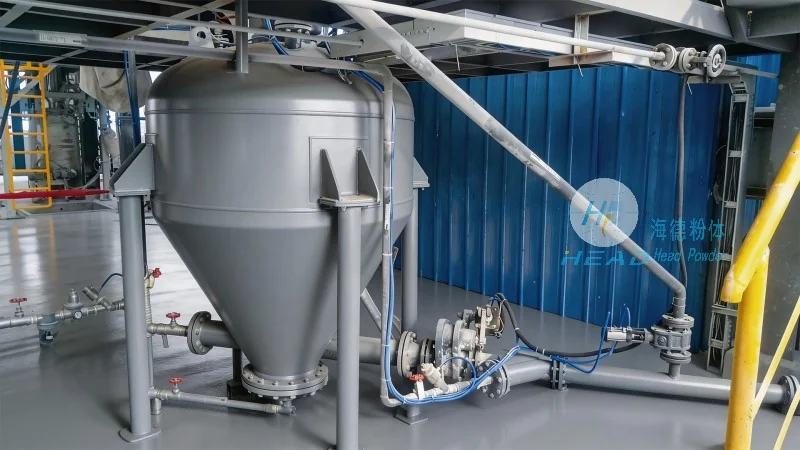
Filter and Separator Design
Effective filtration and separation systems are essential components of a pneumatic conveying system for quicklime. These systems remove dust and fine particles from the air stream, preventing them from re-entering the pipeline and causing blockages. The design of the filter, including its surface area and material, must be capable of handling the high dust load associated with quicklime. Regular maintenance of the filter is also crucial to ensure it operates efficiently and does not become a source of blockage itself. Shandong HeadPowder Engineering Co., Ltd. provides advanced filter designs that are tailored to the specific characteristics of quicklime, ensuring optimal performance and minimal downtime.
Conclusion: Ensuring Reliable Quicklime Transport with Pneumatic Conveying
Preventing pipeline blockages in pneumatic conveying systems for quicklime transport requires a comprehensive approach that considers multiple design parameters. By optimizing pipeline diameter, air velocity, gas-solid ratio, layout, and filtration systems, industries can significantly reduce the risk of blockages and maintain efficient operations. Shandong HeadPowder Engineering Co., Ltd. specializes in designing and manufacturing pneumatic conveying systems tailored to the unique challenges of quicklime transport, providing reliable solutions that enhance operational efficiency and reduce downtime. With their expertise in material handling and system design, headpowder helps clients achieve seamless and uninterrupted quicklime transport, ensuring their industrial processes run smoothly.