

How to Prevent Pipeline Blockages in the Pneumatic Conveying System for Urea Granules? Key Design Pa
Pneumatic conveying systems are widely used in the fertilizer industry for transporting urea granules due to their efficiency and ability to handle bulk materials. These systems rely on air pressure to move particles through pipelines, offering advantages such as reduced equipment wear, lower maintenance costs, and the ability to transport materials over long distances. However, a significant challenge in urea granule conveying is the risk of pipeline blockages, which can disrupt operations and lead to costly downtime. Understanding and implementing proper design parameters is crucial to mitigate this risk and ensure smooth, reliable operation.
The Challenge of Pipeline Blockages in Urea Conveying
Urea granules, with their specific size, shape, and moisture content, can behave unpredictably when subjected to air flow. Blockages occur when particles accumulate and form a solid plug within the pipeline, often due to poor flow conditions, inadequate air velocity, or improper material handling. These blockages not only halt production but also increase the risk of equipment damage and safety hazards. Preventing blockages requires a comprehensive approach that addresses both system design and operational practices.
Key Design Parameters to Prevent Blockages
Several critical design parameters must be considered to prevent pipeline blockages in urea pneumatic conveying systems. The first is the air velocity, which must be maintained at a level sufficient to keep particles in suspension but not so high as to cause excessive wear or energy consumption. Typically, air velocities range from 20 to 30 meters per second for urea granules, depending on particle size and density. Another key parameter is the pipeline diameter, which should be sized to accommodate the required flow rate while minimizing pressure drop. Larger diameters reduce friction losses and the likelihood of particle accumulation.
The material of construction is also a critical design factor. Urea granules are abrasive and can cause wear on metal surfaces. Using corrosion-resistant materials, such as stainless steel or special alloys, helps extend the system's lifespan and maintain flow efficiency. Additionally, the system's layout, including the number and placement of bends, elbows, and expansion joints, plays a role in preventing blockages. Properly designed bends with smooth transitions reduce turbulence and the risk of particle deposition.
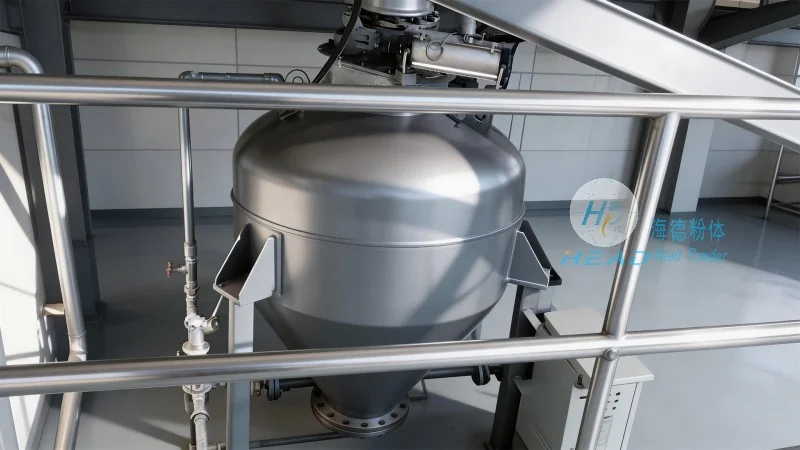
The role of the hopper and feeder is another important design consideration. A well-designed hopper ensures consistent material flow into the system, preventing surges or backflow that can lead to blockages. The feeder, typically a rotary valve or a star feeder, must be capable of handling the bulk density and flow rate of urea granules without causing material bridging or segregation. Properly sizing and positioning these components ensures a steady, controlled feed into the conveying line.
Air filtration and moisture control are also essential design parameters. Urea granules can absorb moisture from the air, which may affect their flow characteristics and increase the risk of caking. Installing efficient air filters and moisture control systems helps maintain consistent material properties and prevents blockages caused by moisture-related issues. Additionally, the system's pressure control mechanisms, such as regulators and pressure relief valves, must be properly calibrated to maintain stable pressure levels and prevent sudden pressure drops that could lead to blockage formation.
The Role of HeadPowder in Optimizing Urea Pneumatic Conveying Solutions
Shandong HeadPowder Engineering Co., Ltd., a leading provider of pneumatic conveying solutions, specializes in designing and manufacturing systems tailored to the unique needs of urea granule transportation. With years of experience in the fertilizer industry, HeadPowder understands the challenges associated with preventing pipeline blockages and has developed advanced solutions to address these issues. The company's expertise lies in integrating the key design parameters discussed above into comprehensive system designs that ensure reliable, efficient operation.
The company's approach involves a thorough analysis of the client's specific requirements, including the type and size of urea granules, the distance and layout of the conveying system, and the desired flow rate. Based on this analysis, the company designs custom pneumatic conveying systems that incorporate optimal air velocities, pipeline diameters, and material of construction. The company's engineers use advanced simulation tools to model the system's performance and predict potential blockage risks, allowing for proactive adjustments to the design.
In addition to system design, HeadPowder provides comprehensive support throughout the project lifecycle. This includes installation, commissioning, and ongoing maintenance services to ensure the system operates at peak efficiency. The company's team of experts is available to provide technical guidance and troubleshooting assistance, helping clients maintain the system's performance and prevent blockages over time.
HeadPowder's commitment to quality and innovation has made it a trusted partner for many fertilizer manufacturers. By focusing on the critical design parameters that prevent pipeline blockages, the company helps its clients achieve reliable, cost-effective urea granule transportation. The company's solutions are designed to meet the highest industry standards and are backed by a strong reputation for reliability and performance.
Conclusion
Preventing pipeline blockages in pneumatic conveying systems for urea granules requires a careful balance of design parameters and operational practices. By focusing on air velocity, pipeline diameter, material of construction, and other key factors, system designers can significantly reduce the risk of blockages and ensure smooth, efficient operation. Companies like Shandong HeadPowder Engineering Co., Ltd. play a vital role in providing tailored solutions that address these challenges, helping fertilizer manufacturers maintain productivity and minimize downtime.