

Preventing Pipeline Blockages in Pneumatic Conveying Systems for Feed Pellet Transport: Key Design P
Efficient and reliable feed pellet transport is crucial for the smooth operation of modern feed mills and processing facilities. Among the various methods available, pneumatic conveying systems have become increasingly popular due to their ability to handle bulk materials like feed pellets with minimal human intervention. However, a common challenge in such systems is the risk of pipeline blockages, which can lead to operational downtime, increased maintenance costs, and potential product damage. Understanding and implementing the right design parameters are essential to mitigate these risks and ensure the longevity and efficiency of the conveying system.
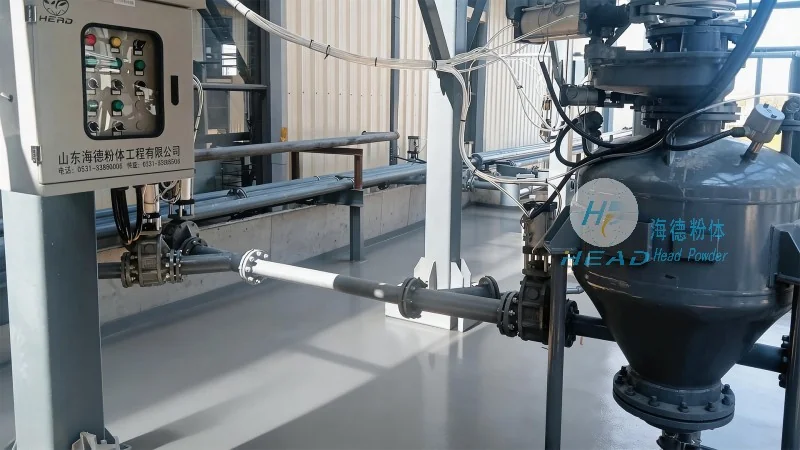
Understanding the Risks of Pipeline Blockages in Pneumatic Conveying
Pipeline blockages in pneumatic conveying systems for feed pellets can occur due to several factors, including material properties, system design, and operational conditions. Feed pellets, being irregularly shaped and often containing moisture or fines, can agglomerate or stick to the inner walls of the pipeline if the air velocity is insufficient or the system pressure is too low. This can result in a gradual buildup that eventually leads to a complete blockage. Additionally, improper sizing of the pipeline, elbows, or other components can create bottlenecks that exacerbate the issue. Recognizing these risks is the first step toward effective prevention.
Key Design Parameters for Preventing Blockages
Several critical design parameters must be carefully considered when designing a pneumatic conveying system for feed pellets to prevent blockages. These parameters directly influence the system's ability to maintain consistent airflow and material movement, thereby reducing the likelihood of clogs. The following are the most important factors:
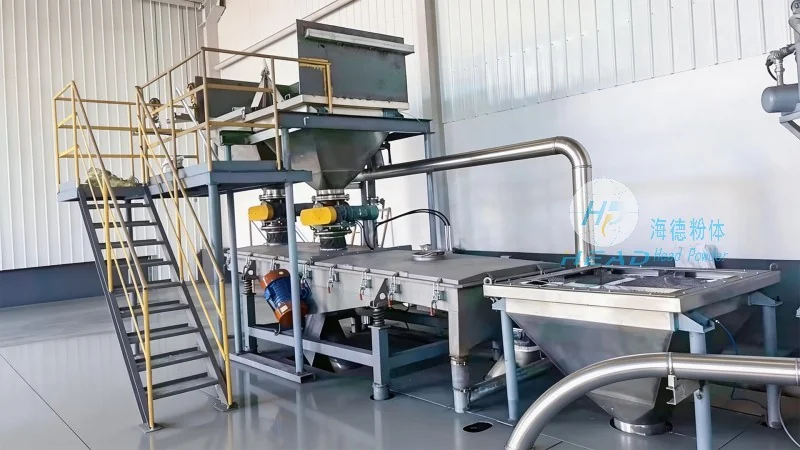
1. Air Velocity and Pressure
One of the most fundamental parameters is the air velocity within the conveying pipeline. For feed pellets, the minimum air velocity required to prevent material settling and blockage is typically determined by the material's bulk density and particle size. Higher air velocities ensure that the pellets remain suspended and move smoothly through the system. However, excessively high velocities can lead to increased energy consumption and potential wear on components. Therefore, an optimal balance must be achieved. The system pressure, which is directly related to air velocity, also plays a crucial role. Adequate pressure is necessary to maintain the required air velocity, especially in longer or more complex conveying lines.
2. Pipeline Sizing and Material
The diameter and material of the conveying pipeline are critical design choices. Smaller diameter pipes increase the risk of blockages as they restrict the flow of both air and material, making it easier for pellets to settle and agglomerate. Larger diameters, on the other hand, improve flow characteristics and reduce the likelihood of clogs. The material of the pipeline, such as stainless steel or PVC, should be selected based on the feed pellets' properties and the system's operating environment. Stainless steel is often preferred for its corrosion resistance and durability, especially when handling feed that may contain moisture or acidic components.
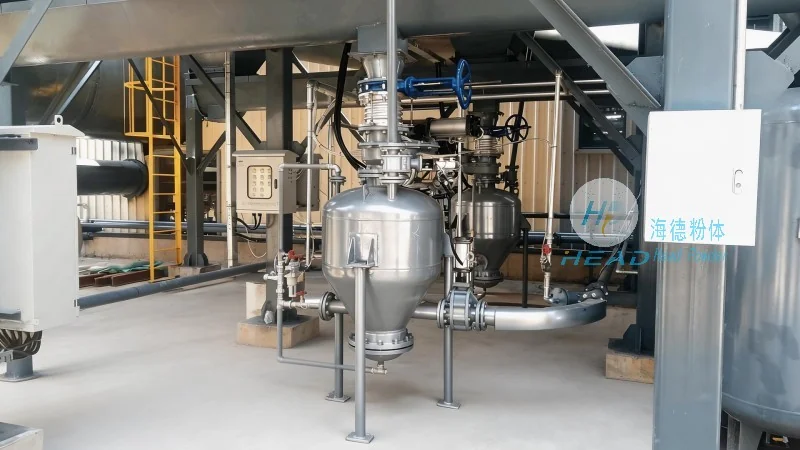
3. Elbows and Bends
The design and placement of elbows and bends in the pipeline significantly impact the risk of blockages. Sharp bends or narrow turns can cause the pellets to impact the pipe walls, leading to abrasion and potential buildup. To mitigate this, using larger-radius bends or smoothing the transition between straight sections and bends is recommended. Additionally, incorporating features like internal liners or wear-resistant coatings on elbows can extend the life of the system and reduce the risk of material accumulation.
4. Material Handling and Conditioning
Pre-treatment of the feed pellets before they enter the conveying system can also help prevent blockages. For example, adding a small amount of anti-caking agent or adjusting the moisture content can improve the flow characteristics of the material. Similarly, using a pre-screening or de-dusting process to remove fines or oversized particles can reduce the risk of agglomeration. These measures, while seemingly minor, can have a significant impact on the overall system performance and reliability.
5. System Control and Monitoring
Implementing advanced control systems and monitoring tools is another key design parameter. Real-time monitoring of air pressure, flow rates, and material levels allows operators to detect potential blockages early and take corrective action before a complete system failure occurs. Automated control systems can adjust air velocity or pressure based on real-time conditions, ensuring optimal performance and preventing unnecessary wear on components. This proactive approach to system management is essential for maintaining the efficiency and longevity of the pneumatic conveying system.
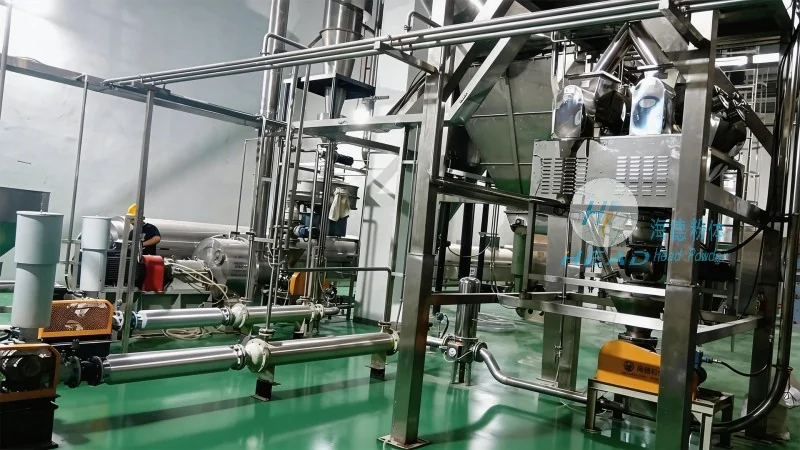
Best Practices from Shandong HeadPowder Engineering Co., Ltd.
Shandong HeadPowder Engineering Co., Ltd., a leading provider of pneumatic conveying solutions, emphasizes the importance of these design parameters in their custom-engineered systems. With years of experience in the feed industry, the company understands the unique challenges of handling feed pellets and has developed specialized solutions to address them. By focusing on the key design parameters outlined above, HeadPowder ensures that their systems are not only efficient but also highly reliable and resistant to blockages. The company's engineering team works closely with clients to assess their specific operational needs and tailor the system design accordingly, ensuring optimal performance and minimal downtime.
Conclusion
Preventing pipeline blockages in pneumatic conveying systems for feed pellets requires a comprehensive approach that considers multiple design parameters. By optimizing air velocity and pressure, selecting appropriate pipeline sizing and materials, designing effective bends and elbows, conditioning the material, and implementing advanced control systems, operators can significantly reduce the risk of blockages and improve the overall efficiency of their conveying operations. Companies like Shandong HeadPowder Engineering Co., Ltd. play a vital role in providing expert guidance and customized solutions to meet these challenges, ensuring that feed mills can operate smoothly and reliably.