

How to Prevent Pipeline Blockages in the Transportation of Coke Particles with Pneumatic Conveying S
For industrial operations that involve the transportation of coke particles, the efficiency and reliability of the conveying system are critical. Pneumatic conveying systems offer a solution, but one of the major challenges is preventing pipeline blockages. This article explores the strategies and key design parameters that can be employed to mitigate blockages and ensure smooth operation in coke particle transportation using pneumatic systems. The information is provided by Shandong HeadPowder Engineering Co., Ltd., a leading company in the field of powder and bulk material handling solutions.
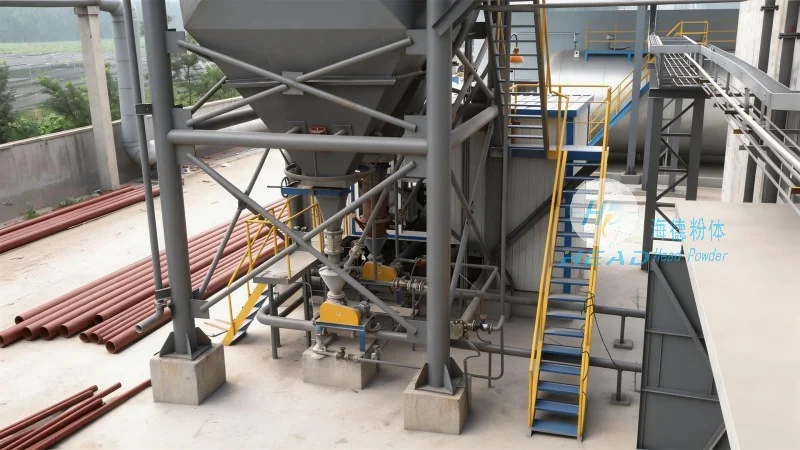
Understanding the Challenges of Coke Particle Transportation
Coke particles, typically used in steelmaking and other industrial processes, can vary significantly in size, density, and moisture content. These characteristics directly impact the behavior of the particles during pneumatic transport. When the flow conditions are not optimized, coke particles may agglomerate or settle within the pipeline, leading to blockages. Blockages not only halt production but also increase maintenance costs and reduce the overall efficiency of the conveying system.
Key Design Parameters for Preventing Pipeline Blockages
Several design parameters are crucial in the development of an effective pneumatic conveying system for coke particles. The selection of these parameters is based on the specific properties of the coke and the operational requirements of the plant. The following are some of the most important factors to consider:
1. Air Velocity and Flow Rate
The air velocity within the pipeline is a primary factor in preventing blockages. Insufficient air velocity can cause the coke particles to settle and accumulate, while excessively high velocity may lead to excessive wear on the pipeline and equipment. The optimal air velocity is typically determined by the particle size distribution and density. For coke particles, a velocity range of 20 to 30 meters per second is often recommended to maintain a consistent flow without causing excessive pressure drops or wear.
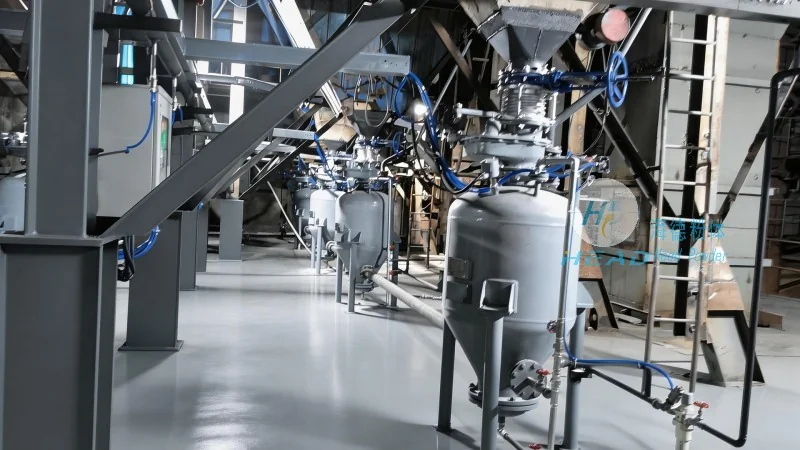
2. Pipe Diameter and Length
The diameter of the conveying pipe is directly related to the capacity and pressure drop of the system. A larger diameter reduces the pressure drop per unit length but increases the overall cost and space requirements. Conversely, a smaller diameter reduces the cost and space but increases the pressure drop, which can lead to higher energy consumption and potential blockages if the flow rate is too high. The length of the pipeline also affects the system's performance; longer pipelines require higher air velocities and more robust equipment to maintain the flow.
3. Gas-Solid Ratio (GSR)
The gas-solid ratio, which is the ratio of the mass flow rate of air to the mass flow rate of coke particles, is a critical parameter. An appropriate GSR ensures that the particles are fully suspended and transported efficiently. If the GSR is too low, the particles may not be fully entrained, leading to settling and blockages. Conversely, an excessively high GSR increases energy consumption and may cause excessive wear on the system components. The optimal GSR is determined by the particle characteristics and the required conveying distance.
4. Inlet and Outlet Design
The design of the inlet and outlet of the conveying system plays a significant role in preventing blockages. The inlet should be designed to ensure that the particles are introduced into the pipeline in a way that promotes uniform suspension. A poorly designed inlet can cause uneven distribution of particles, leading to localized high concentrations and potential blockages. Similarly, the outlet design should allow for smooth discharge of the coke particles without causing backflow or accumulation.
5. Material of Construction
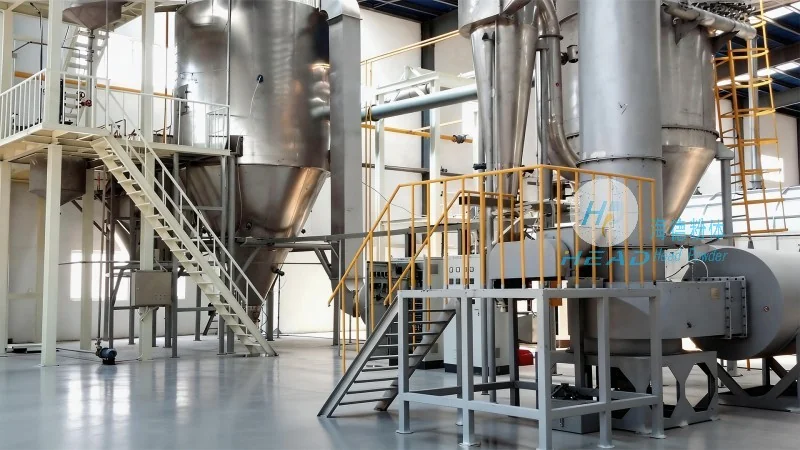
The choice of materials for the conveying pipeline and equipment is essential to withstand the abrasive nature of coke particles. Materials such as stainless steel, carbon steel with protective coatings, or specialized alloys are commonly used. The selection of the material depends on the particle size, hardness, and the operating conditions (e.g., temperature, pressure). Using appropriate materials reduces wear and tear, which in turn minimizes the risk of blockages caused by equipment failure or wear-induced particle accumulation.
Implementation Strategies by Shandong HeadPowder Engineering Co., Ltd.
Shandong HeadPowder Engineering Co., Ltd. specializes in the design and manufacturing of pneumatic conveying systems tailored to the specific needs of coke particle transportation. The company employs advanced engineering techniques and extensive experience to optimize the design parameters mentioned above. By conducting thorough analyses of the coke properties and the operational requirements, HeadPowder engineers can develop customized solutions that minimize the risk of pipeline blockages and ensure reliable operation. The company's approach includes detailed calculations of air velocity, GSR, and pipe dimensions, as well as the use of high-quality materials and components to enhance the durability and efficiency of the system.
Conclusion
Preventing pipeline blockages in the pneumatic transportation of coke particles requires a comprehensive approach that considers multiple design parameters. By optimizing air velocity, pipe diameter, gas-solid ratio, inlet/outlet design, and material selection, industrial facilities can significantly reduce the risk of blockages and improve the overall performance of their conveying systems. Shandong HeadPowder Engineering Co., Ltd. offers expert solutions and technical support to help industries achieve efficient and reliable coke particle transportation, ensuring smooth operations and reduced downtime.