

How to Prevent Pipeline Blockages in Pneumatic Conveying Systems for Camellia Seed Transport? Key De
For industries dealing with the transport of camellia seeds, efficient and reliable material handling is crucial. Pneumatic conveying systems offer a viable solution, but challenges such as pipeline blockages can arise if not properly designed and maintained. This article explores effective strategies to prevent blockages in pneumatic conveying systems specifically for camellia seed transport, alongside key design parameters that ensure optimal performance.
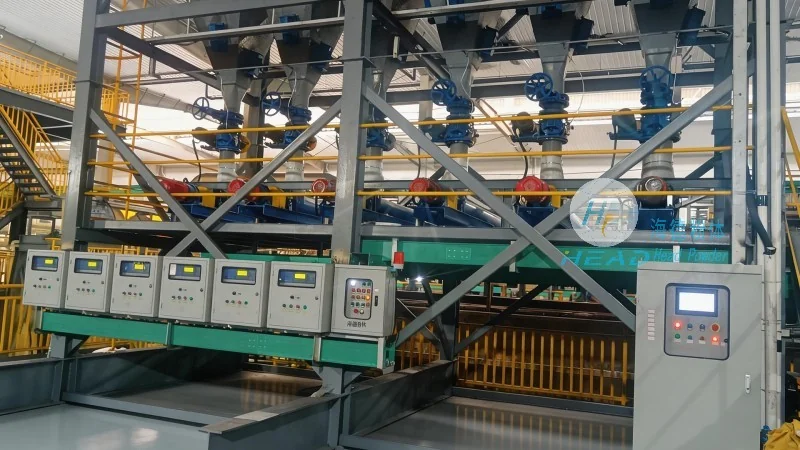
About the Provider: Shandong HeadPowder Engineering Co., Ltd.
HeadPowder, a leading engineering firm based in Shandong, China, specializes in the design and implementation of advanced material handling systems. With years of experience in the industry, HeadPowder provides tailored solutions that meet the unique demands of clients handling camellia seeds and other similar materials. The company's expertise lies in optimizing pneumatic conveying systems to enhance efficiency, reduce downtime, and ensure consistent material flow.
Understanding Pneumatic Conveying Systems for Camellia Seeds
Pneumatic conveying systems use air pressure to transport bulk materials like camellia seeds through pipelines. These systems are preferred for their ability to handle abrasive or sticky materials without the need for mechanical components that might cause wear or blockages. However, the nature of camellia seeds—often with a high oil content and varying particle sizes—requires careful consideration of system design to prevent clogging.
Key Strategies to Prevent Pipeline Blockages
Preventing pipeline blockages in pneumatic conveying systems for camellia seeds involves a combination of system design, material handling practices, and operational controls. One primary strategy is to ensure proper air velocity and pressure. Insufficient air velocity can lead to material settling and blockages, while excessive pressure may cause wear on components. HeadPowder recommends maintaining an air velocity that is at least 2-3 times the terminal velocity of the seed particles to keep the material in suspension.
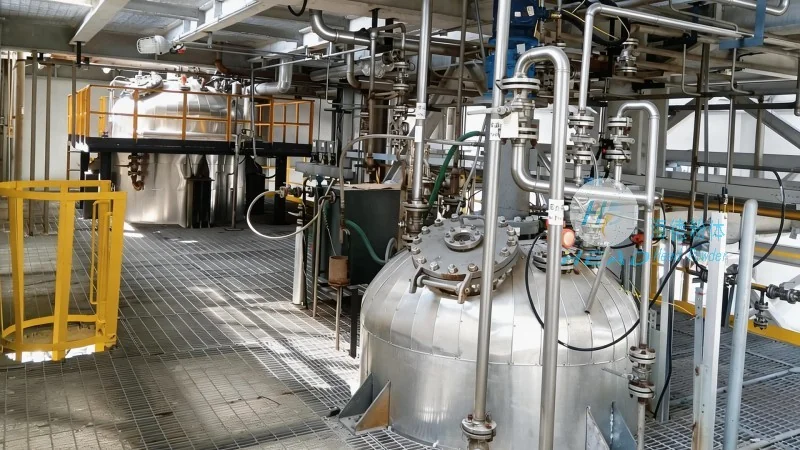
Another critical factor is the design of the pipeline itself. Using smooth, corrosion-resistant materials like stainless steel or PTFE-coated pipes reduces friction and the likelihood of material buildup. Additionally, incorporating regular cleaning mechanisms, such as pulse jets or rotary valves, helps maintain pipeline integrity and prevents the accumulation of seeds that could lead to blockages.
Key Design Parameters for Optimal Performance
Several key design parameters must be considered when designing a pneumatic conveying system for camellia seeds to minimize blockages and ensure smooth operation. The first is the air-to-material ratio, which determines the amount of air needed to transport the seeds. An optimal ratio is typically 5-10 times the weight of the material being conveyed. This ratio ensures sufficient air to keep the seeds suspended and prevent them from sticking to the pipeline walls.
Second, the pipeline diameter is a critical factor. Using appropriately sized pipes that match the material flow rate reduces pressure drop and the risk of blockages. For camellia seeds, a diameter of 100-150 mm is often recommended for moderate to high flow rates. Additionally, the use of bends and fittings with smooth transitions minimizes turbulence and the chance of material accumulation at these points.
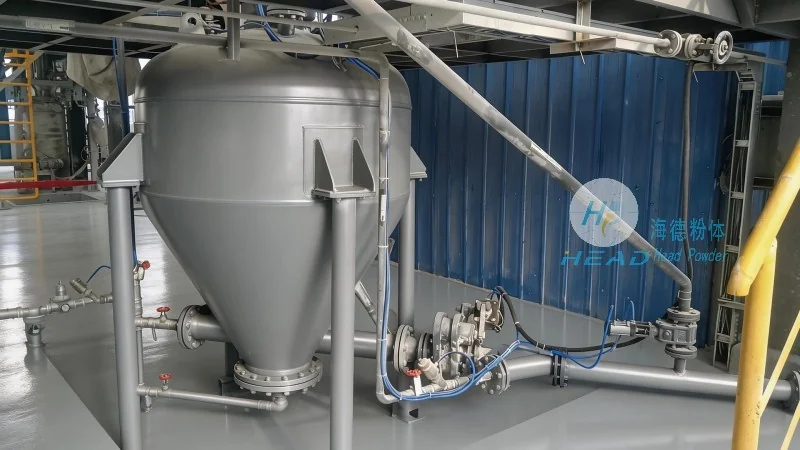
Third, the system's pressure and flow control mechanisms are essential. HeadPowder emphasizes the importance of variable frequency drives (VFDs) to regulate air flow and pressure, allowing for adjustments based on the material's characteristics and system load. This dynamic control helps maintain consistent air velocity and prevents fluctuations that could lead to blockages.
Fourth, the inclusion of deaeration and filtration systems is vital. Camellia seeds may contain moisture or oil that can cause the air to become saturated, leading to condensation and material buildup. Deaeration units remove excess moisture, while filtration systems capture fine particles that could clog the system. These components are integral to maintaining a clean and efficient conveying process.
Conclusion: Ensuring Reliable Camellia Seed Transport
By implementing the right strategies and adhering to key design parameters, pneumatic conveying systems can effectively transport camellia seeds without encountering pipeline blockages. HeadPowder's expertise in engineering tailored solutions ensures that clients receive systems optimized for their specific needs, minimizing downtime and maximizing operational efficiency. For businesses looking to enhance their camellia seed handling processes, partnering with a reputable provider like HeadPowder is essential to achieve reliable and efficient material transport.