

How to Prevent Pipeline Blockages in Pneumatic Conveying Systems for Cellulose Transport? Key Design
When it comes to transporting cellulose materials efficiently and safely, pneumatic conveying systems have become a cornerstone in industrial operations. However, one of the most significant challenges faced by operators is the risk of pipeline blockages, which can lead to costly downtime and operational inefficiencies. Understanding how to prevent these blockages through proper design and maintenance is crucial for maintaining smooth operations. This article explores the key design parameters that contribute to effective pneumatic conveying of cellulose, with a focus on preventing blockages and ensuring reliable performance.
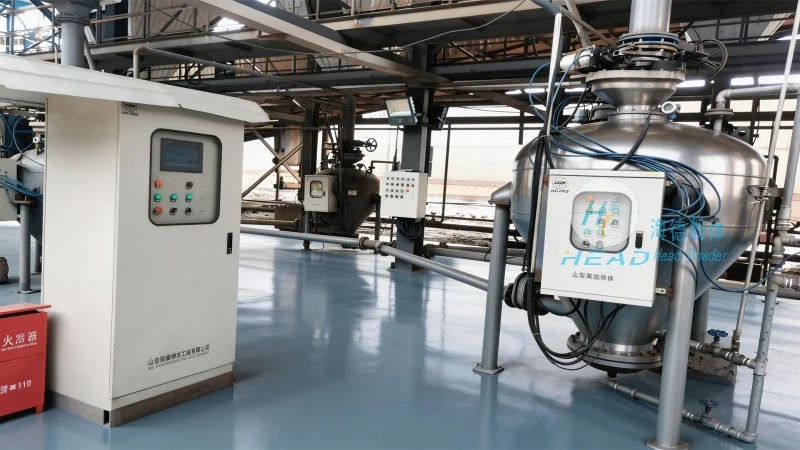
Introduction to Pneumatic Conveying Systems for Cellulose Transport
Pneumatic conveying systems utilize air or other gases to transport bulk materials like cellulose through pipelines. These systems are widely used in industries such as paper manufacturing, biofuel production, and agricultural processing due to their ability to handle fine, dry, or fibrous materials. The core components of a pneumatic conveying system include a material feeder, a conveying line, a separator, and a receiver. Each component plays a vital role in the overall efficiency and safety of the system. However, the nature of cellulose—its fine particle size, high moisture content, or fibrous structure—can make it prone to clumping and blockages if not handled correctly.
The Challenge of Pipeline Blockages in Cellulose Handling
Pipeline blockages occur when material accumulates and forms a solid plug within the conveying line, preventing the flow of material or air. This can result from several factors, including the material's physical properties, the system's design, and operational conditions. For cellulose, common causes of blockages include agglomeration due to moisture, the formation of fiber mats, and the presence of foreign particles that can act as nuclei for blockage formation. These blockages not only halt the conveying process but also increase the risk of equipment damage and safety hazards. Therefore, implementing effective prevention strategies is essential to maintain the integrity and reliability of pneumatic conveying systems.
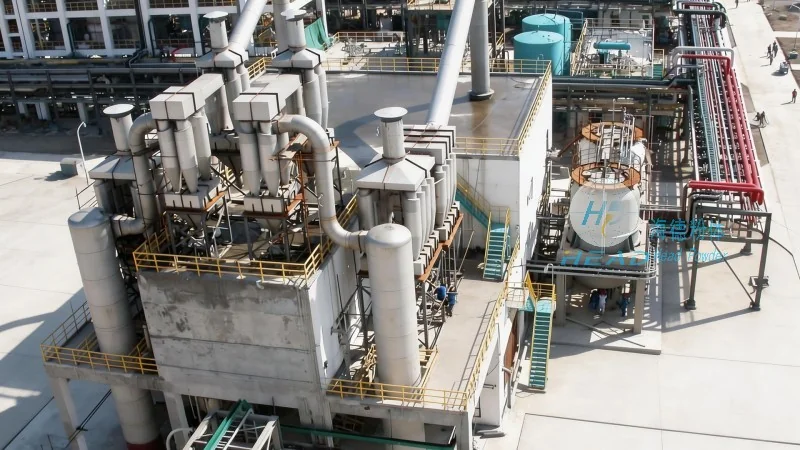
Key Design Parameters to Prevent Blockages
Several critical design parameters must be considered when designing a pneumatic conveying system for cellulose to minimize the risk of blockages. These parameters are tailored to the specific characteristics of the material and the operational requirements of the application. The first parameter is the conveying velocity, which refers to the speed at which the material is transported through the pipeline. Maintaining an appropriate velocity is crucial; too low a velocity can cause material to settle and accumulate, while too high a velocity may lead to excessive wear on the system components. For cellulose, a typical conveying velocity ranges from 20 to 30 meters per second, depending on the particle size and moisture content. Another key parameter is the pipeline diameter, which should be sized to accommodate the material's flow characteristics without causing excessive pressure drops or turbulence. Larger diameters reduce the risk of blockages by allowing more material to move through the line, while smaller diameters may require higher air pressures to maintain flow.
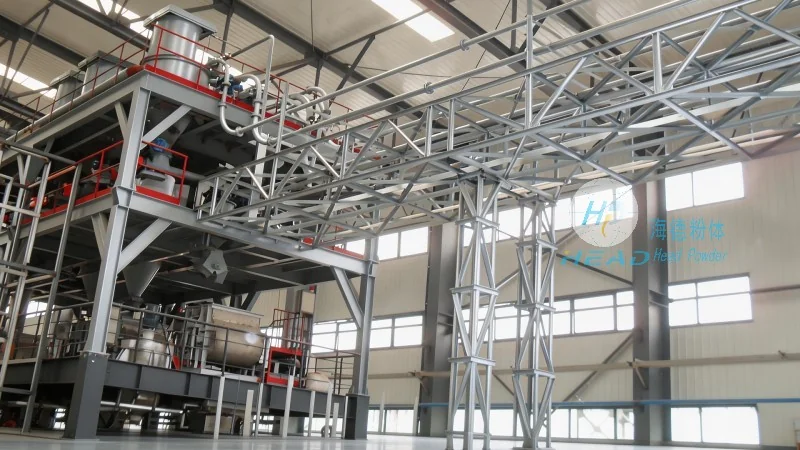
The air-to-material ratio is another critical design parameter that directly impacts the risk of blockages. This ratio represents the volume of air used per unit mass of material being conveyed. A higher air-to-material ratio increases the likelihood of material being suspended and transported smoothly, reducing the chance of agglomeration. However, excessive air usage can lead to higher energy costs and potential air leaks. Optimizing this ratio involves balancing the need for efficient transport with cost considerations. Additionally, the system's pressure and flow characteristics must be carefully managed. High-pressure systems may be more effective for handling fibrous materials but require robust components to withstand the pressure. The choice of air compressor and its capacity is also essential, as it must be able to deliver sufficient air volume to maintain the desired conveying velocity.
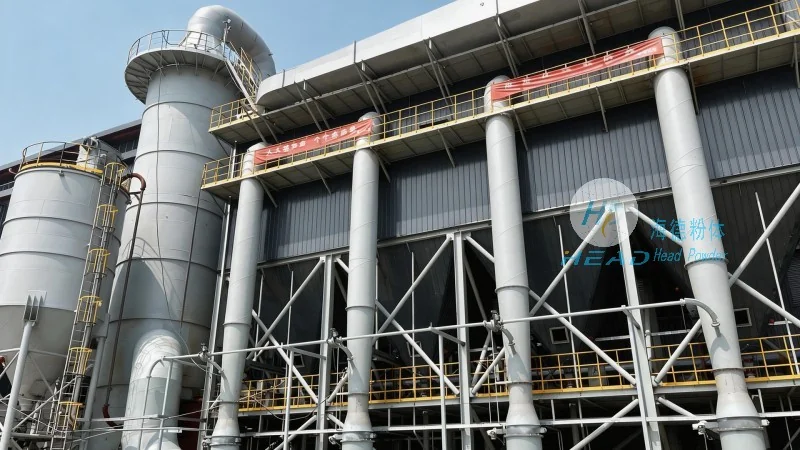
The Role of HeadPowder Engineering in Optimizing Pneumatic Conveying Solutions
Shandong HeadPowder Engineering Co., Ltd., a leading provider of pneumatic conveying solutions, specializes in designing and implementing systems tailored to the unique needs of cellulose transport. With a deep understanding of material behavior and system dynamics, HeadPowder Engineering employs advanced engineering principles to address the challenges of pipeline blockages. The company's expertise lies in selecting the appropriate conveying velocity, pipeline diameter, and air-to-material ratio for each application, ensuring optimal performance and minimal risk of blockages. HeadPowder Engineering also emphasizes the importance of material preparation, such as drying and screening, to reduce moisture content and remove foreign particles that can contribute to blockages. By integrating these design parameters with state-of-the-art equipment and maintenance protocols, HeadPowder Engineering helps clients achieve reliable, efficient, and cost-effective pneumatic conveying systems for cellulose transport.
Conclusion
Preventing pipeline blockages in pneumatic conveying systems for cellulose transport requires a comprehensive approach that considers multiple design parameters. By optimizing conveying velocity, pipeline diameter, air-to-material ratio, and system pressure, operators can significantly reduce the risk of blockages and maintain smooth material flow. The expertise of companies like Shandong HeadPowder Engineering Co., Ltd. is invaluable in this process, as they provide tailored solutions that address the specific challenges of cellulose handling. With proper design and maintenance, pneumatic conveying systems can deliver reliable performance, ensuring that cellulose materials are transported efficiently and safely. As the demand for cellulose-based products continues to grow, the importance of effective pneumatic conveying systems will only increase, making it essential for industries to invest in robust, well-designed solutions.