

How to Prevent Pipeline Blockages in Pneumatic Conveying Systems for Chilli Powder? Key Design Param
When it comes to transporting chilli powder efficiently and safely, pneumatic conveying systems offer a reliable solution. However, a common challenge in such operations is the risk of pipeline blockages, which can disrupt production and lead to costly downtime. Understanding the critical design parameters that mitigate these risks is essential for optimizing the performance of chilli powder handling systems. This article explores effective strategies and key design elements to prevent blockages in pneumatic conveying systems used for chilli powder, with insights from industry experts at Shandong HeadPowder Engineering Co., Ltd.
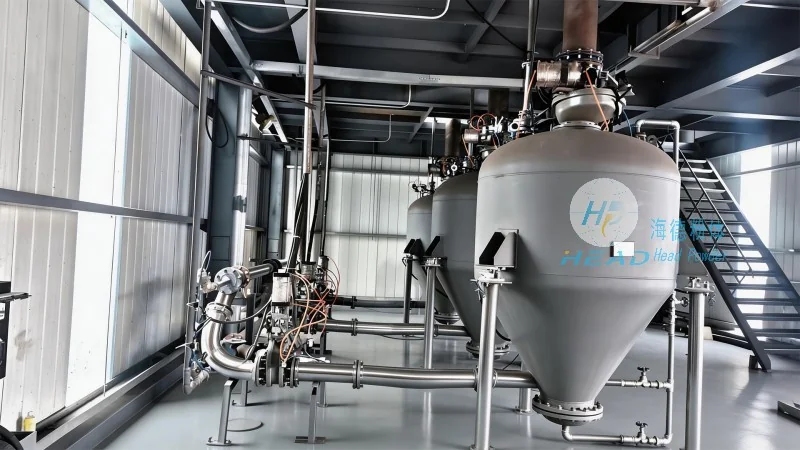
Understanding the Risks of Blockages in Chilli Powder Conveying
Chilli powder, with its fine particles and potential for agglomeration, poses unique challenges during pneumatic transport. The fine particulate nature of chilli powder can lead to caking or bridging within the pipeline, especially if the conveying system is not properly designed or operated. Blockages can occur due to several factors, including high moisture content, improper air velocity, or inadequate separation of air and powder. These issues not only halt the conveying process but also increase maintenance costs and reduce overall system efficiency. Therefore, addressing the root causes of blockages is paramount for maintaining smooth operations in chilli powder handling facilities.
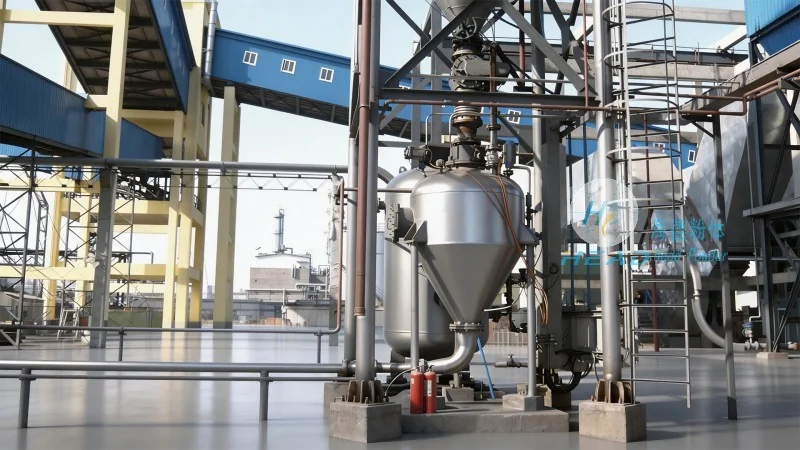
Key Design Parameters for Blockage Prevention
Several key design parameters play a crucial role in preventing pipeline blockages in pneumatic conveying systems for chilli powder. These parameters are carefully considered by engineers at Shandong HeadPowder Engineering Co., Ltd. to ensure optimal performance and reliability. The primary design considerations include:
- Air Velocity and Flow Rate: Maintaining an appropriate air velocity is critical. Insufficient air velocity can cause the powder to settle and agglomerate, while excessive velocity may lead to excessive wear on components and energy inefficiency. Engineers at HeadPowder recommend a balanced air velocity that ensures the powder is fully suspended without causing excessive pressure drops or wear.
- Pipeline Sizing and Layout: The diameter and length of the conveying pipeline significantly impact the risk of blockages. Larger diameter pipelines reduce the risk of particle accumulation and improve flow, while proper layout, including the inclusion of bends and vertical sections, helps maintain consistent air-powder ratios. The company emphasizes the importance of avoiding sharp turns and sudden changes in direction that can cause particle separation and potential blockages.
- Material Selection for Components: The choice of materials for pipeline components, such as elbows, valves, and filters, is vital. Materials that are resistant to corrosion and abrasion, such as stainless steel or specialized alloys, are preferred to withstand the abrasive nature of chilli powder particles. This helps prevent wear and tear that could lead to internal obstructions over time.
- Air-Powder Ratio Optimization: The ratio of air to powder is a critical operational parameter. An optimal air-powder ratio ensures that the powder is fully suspended and conveyed efficiently. Too low a ratio can cause the powder to settle, while too high a ratio increases energy consumption. Engineers at HeadPowder use advanced algorithms to determine the ideal ratio based on the specific characteristics of the chilli powder, such as particle size and moisture content.
- Moisture Control and Conditioning: Controlling moisture levels in chilli powder is essential to prevent agglomeration. High moisture content can cause the powder to stick together, leading to blockages. Pre-drying or conditioning the powder before conveying can significantly reduce this risk. Shandong HeadPowder Engineering Co., Ltd. often incorporates moisture control systems into their designs to ensure the powder remains in a dry, free-flowing state.
System Integration and Maintenance Practices
While design parameters are crucial, effective system integration and regular maintenance are equally important in preventing blockages. A well-integrated system ensures that all components work in harmony to minimize the risk of issues. Regular inspections, cleaning, and maintenance of filters, cyclones, and other components are essential to keep the system operating at peak efficiency. The team at Shandong HeadPowder Engineering Co., Ltd. provides comprehensive maintenance services and training to help clients maintain their systems effectively.
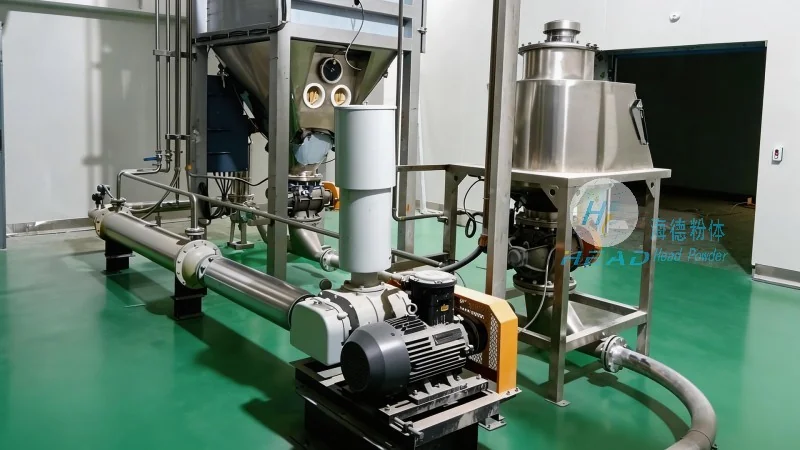
Conclusion: Ensuring Reliable Chilli Powder Conveying with HeadPowder
Preventing pipeline blockages in pneumatic conveying systems for chilli powder requires a combination of careful design, optimal operational parameters, and regular maintenance. By focusing on key design elements such as air velocity, pipeline layout, material selection, and moisture control, companies can significantly reduce the risk of blockages and ensure smooth, efficient operations. Shandong HeadPowder Engineering Co., Ltd. specializes in designing and implementing such systems, leveraging years of experience and expertise to deliver reliable solutions for chilli powder handling. With their commitment to quality and customer satisfaction, HeadPowder is a trusted partner for businesses seeking to optimize their chilli powder conveying processes and minimize downtime.