

How to Prevent Pipeline Blockages in Alumina Conveying with Pneumatic Conveying Systems? Key Design
Efficient and reliable material handling is crucial in the alumina industry, where the transportation of alumina powder often relies on pneumatic conveying systems. A common challenge in such operations is the risk of pipeline blockages, which can lead to downtime, increased maintenance costs, and reduced productivity. Understanding and implementing the right design parameters is essential to mitigate these risks and ensure smooth operation. This article explores effective strategies to prevent pipeline blockages in alumina conveying systems and highlights the critical design elements that contribute to their success.
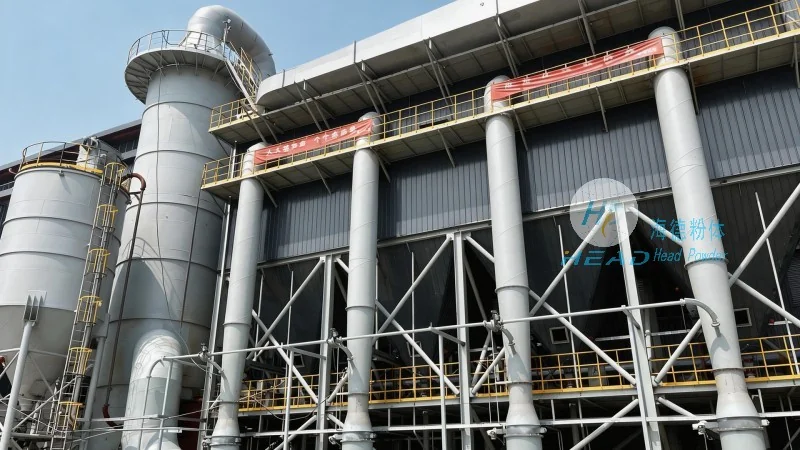
Understanding the Risks of Pipeline Blockages in Alumina Conveying
Alumina, a fine powder with specific physical properties such as high density and abrasive nature, poses unique challenges during pneumatic transport. When not properly managed, the material can agglomerate, leading to blockages in the pipeline. These blockages can occur due to several factors, including insufficient air velocity, improper particle size distribution, and inadequate system design. Recognizing these risks is the first step toward developing effective prevention strategies.
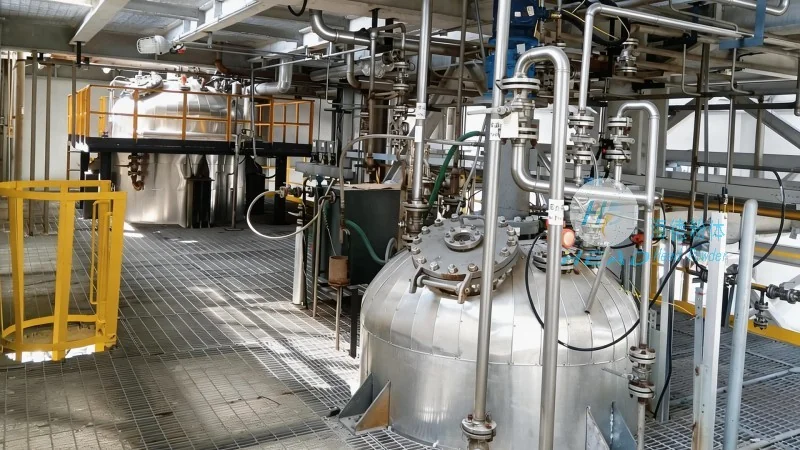
Key Design Parameters for Preventing Blockages in Pneumatic Conveying Systems
Several key design parameters play a vital role in preventing pipeline blockages in alumina conveying systems. These parameters are tailored to the specific characteristics of the material and the operational requirements of the plant. The primary factors include:
- Air Velocity and Flow Rate: Maintaining an appropriate air velocity is crucial to keep the material in suspension and prevent it from settling and forming deposits. The flow rate must be sufficient to overcome the frictional forces and gravitational effects, ensuring that the material moves smoothly through the pipeline.
- Particle Size Distribution: The size and shape of alumina particles significantly impact the conveying efficiency. A well-defined particle size distribution helps in achieving consistent flow and reduces the likelihood of agglomeration. Proper screening and classification of the material before conveying can improve system performance and minimize blockage risks.
- System Sizing and Layout: The design of the pneumatic conveying system, including the diameter of the pipeline, the length of the horizontal and vertical sections, and the placement of bends and fittings, directly affects the risk of blockages. Larger diameter pipes with minimal bends and smooth transitions help maintain the material's flow and reduce friction. Properly sized and positioned components, such as cyclones and filters, ensure that the system operates within optimal parameters.
- Material Handling Equipment: The selection of appropriate equipment, such as feeders, blowers, and receivers, is critical. High-quality, low-maintenance equipment that matches the material's characteristics ensures consistent performance. For example, using rotary valves or screw feeders with appropriate speed control can prevent overloading the system and reduce the chance of blockages.
The Role of HeadPowder Engineering in Alumina Conveying Solutions
Shandong HeadPowder Engineering Co., Ltd., a leading provider of material handling solutions, specializes in designing and implementing pneumatic conveying systems tailored to the needs of the alumina industry. With years of experience and a deep understanding of material behavior, HeadPowder offers customized solutions that address the specific challenges of alumina transport. The company's expertise lies in optimizing design parameters to prevent pipeline blockages and ensure efficient operation. HeadPowder's commitment to quality and innovation has made it a trusted partner for many alumina processing facilities.

Conclusion: Ensuring Smooth Alumina Conveying with Proper Design
Preventing pipeline blockages in alumina conveying systems requires a comprehensive approach that considers the material's properties, operational conditions, and system design. By focusing on key parameters such as air velocity, particle size distribution, system layout, and equipment selection, operators can significantly reduce the risk of blockages and improve overall system performance. Companies like Shandong HeadPowder Engineering Co., Ltd. play a vital role in providing expert guidance and tailored solutions to achieve these goals, ensuring reliable and efficient alumina transport in industrial applications.