

How to Prevent Pipeline Blockages in Quartz Stone Conveying with Pneumatic Conveying Systems? Key De
For industries dealing with quartz stone, efficient and reliable material handling is crucial. Pneumatic conveying systems offer a solution, but preventing pipeline blockages is a common challenge. This article explores effective strategies and key design parameters to ensure smooth operation in quartz stone conveying applications, presented by Shandong HeadPowder Engineering Co., Ltd., a leading provider in the field.
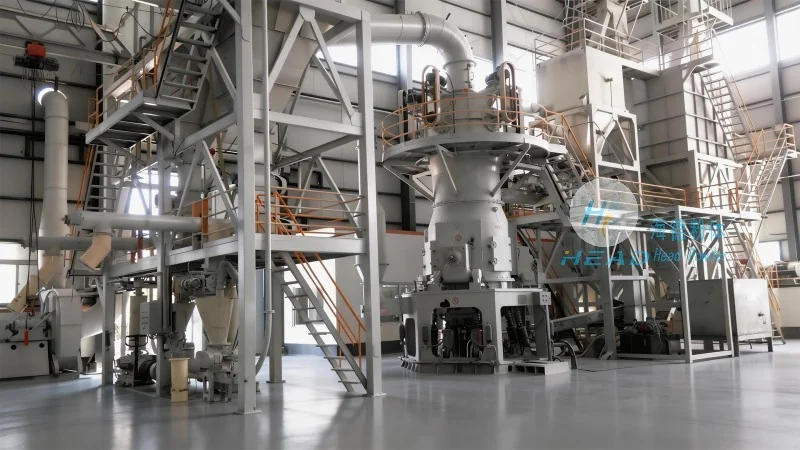
Understanding the Challenges of Quartz Stone Conveying
Quartz stone, with its abrasive and dense characteristics, can pose significant challenges during pneumatic conveying. The material's high density and potential for particle agglomeration increase the risk of blockages in pipelines. Traditional conveying methods may struggle to maintain consistent flow, leading to downtime and increased maintenance costs. Therefore, a well-designed pneumatic system is essential to mitigate these issues and ensure continuous operation.
Key Design Parameters for Preventing Blockages
Several critical design parameters must be considered to prevent pipeline blockages in quartz stone conveying systems. The first is the selection of appropriate air velocity. Maintaining a sufficient air velocity is vital to keep the material in suspension and prevent it from settling and clogging the pipeline. For quartz stone, optimal air velocities typically range between 20 to 30 meters per second, depending on the particle size and density. Higher velocities may increase energy consumption, while lower velocities risk material deposition.
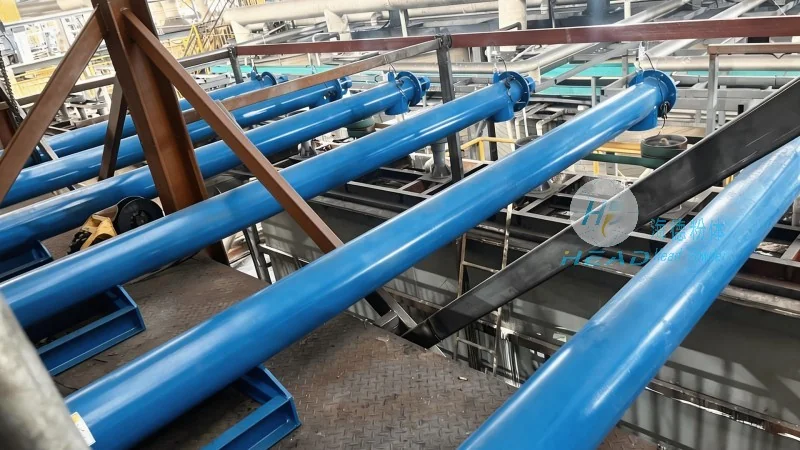
Another crucial parameter is the pipeline diameter. The diameter must be sized to accommodate the material's flow characteristics without causing excessive pressure drops or turbulence. A larger diameter reduces the risk of blockages by allowing the material to move freely, while a smaller diameter may lead to increased friction and potential clogging. Shandong HeadPowder Engineering Co., Ltd. recommends using pipelines with diameters ranging from 100 to 200 millimeters for most quartz stone applications, based on the material's bulk density and flow rate requirements.
The configuration of the conveying line, including the number and placement of bends and elbows, also plays a significant role. Sharp bends can cause material to impact the pipe walls, leading to abrasion and potential blockages. Using smooth, gradual bends or employing flexible hoses can help minimize these risks. Additionally, incorporating expansion joints or flexible connectors can absorb vibrations and prevent stress on the pipeline, reducing the likelihood of cracks or leaks that could contribute to blockages.
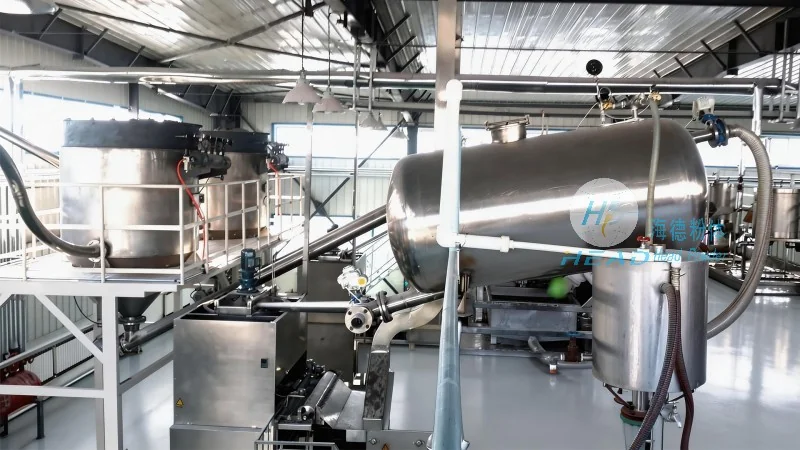
System pressure and airflow control are also essential design considerations. Maintaining consistent pressure and airflow ensures that the material remains in suspension throughout the conveying process. Variable frequency drives (VFDs) can be used to regulate the air compressor output, allowing for adjustments based on the material load and flow conditions. This dynamic control helps prevent overpressurization or underpressurization, which are both detrimental to pipeline integrity and material flow.
Material Handling and Conditioning
In addition to system design, proper material handling and conditioning can significantly reduce the risk of blockages. Pre-processing steps such as crushing or screening can help reduce particle size and improve flowability. For quartz stone, pre-crushing to a consistent size range (e.g., 2-10 millimeters) can enhance the material's ability to be conveyed pneumatically. Conditioning agents, such as lubricants or anti-agglomerants, may also be used to reduce friction and prevent particle agglomeration, especially in systems with high moisture content.
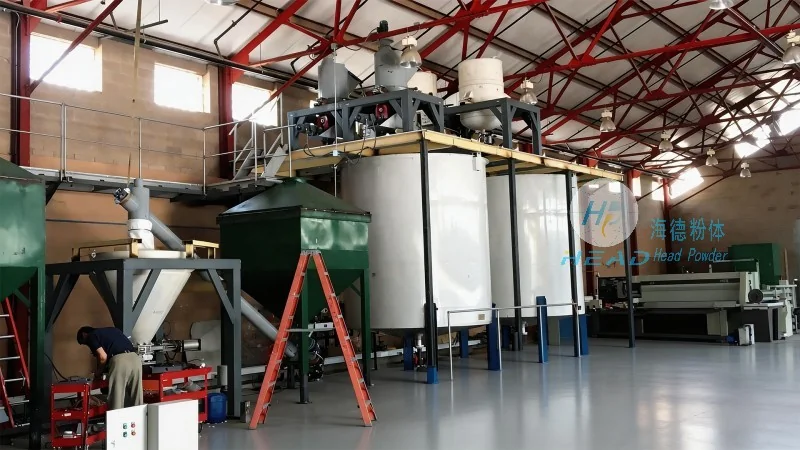
Regular maintenance and cleaning of the conveying system are critical to long-term performance. Accumulated material buildup in the pipeline or hopper can lead to blockages over time. Implementing a routine cleaning schedule, including the use of purge air or mechanical cleaning tools, can help maintain system efficiency. Shandong HeadPowder Engineering Co., Ltd. emphasizes the importance of regular inspections to identify potential issues early and prevent major disruptions.
Conclusion
Preventing pipeline blockages in quartz stone conveying systems requires a comprehensive approach that integrates proper system design, material handling techniques, and regular maintenance. By focusing on key design parameters such as air velocity, pipeline diameter, and system configuration, along with effective material conditioning and maintenance practices, industries can achieve reliable and efficient material handling. Shandong HeadPowder Engineering Co., Ltd. specializes in providing customized pneumatic conveying solutions tailored to the unique needs of quartz stone applications, ensuring optimal performance and minimal downtime.