

Technical Analysis of Fermented Grain (Jiu Qu) Pneumatic Conveying Systems: Comparison of Positive P
For industrial applications involving the transport of fermented grain (Jiu Qu), pneumatic conveying systems offer efficient and reliable solutions. These systems utilize air to move bulk materials through pipelines, eliminating the need for mechanical components like conveyors or elevators. The choice between positive pressure and negative pressure conveying modes significantly impacts system performance, cost, and operational safety. This article provides a technical analysis of these two primary modes, focusing on their mechanisms, advantages, and practical considerations.
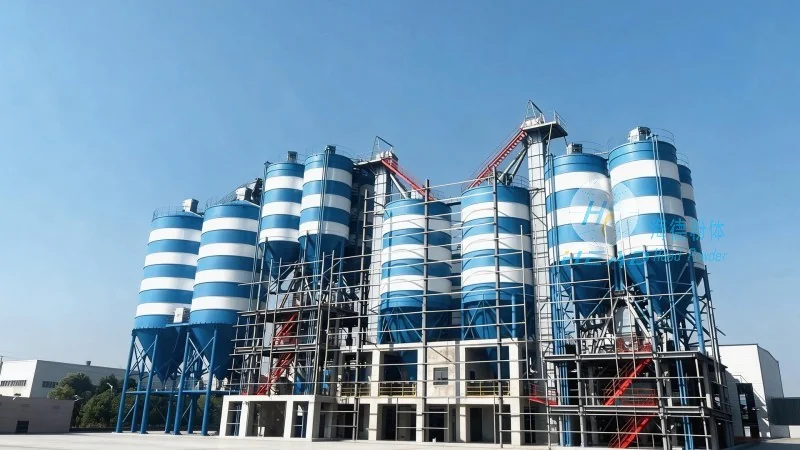
Understanding Pneumatic Conveying Basics
Pneumatic conveying systems operate by creating a pressure differential to move materials. In positive pressure systems, air is forced into the conveying line, carrying the material particles. Conversely, negative pressure systems draw air and material from the source, creating a vacuum in the line. Both modes are widely used in the food and beverage industry, particularly for handling sensitive materials like fermented grain, which require minimal contamination and gentle handling.
Positive Pressure Conveying Mode
Positive pressure conveying systems are characterized by their ability to deliver materials to higher elevations and longer distances with consistent flow rates. The system works by compressing air and injecting it into the material hopper, where the air mixes with the grain and propels it through the pipeline. This mode is particularly effective for applications requiring high pressure and robust material handling, such as transporting fermented grain from silos to processing facilities. The key advantages of positive pressure systems include high material throughput, reliable operation under varying load conditions, and the ability to handle abrasive or sticky materials without significant wear on components. However, they may require more powerful air compressors and higher energy consumption compared to negative pressure systems.
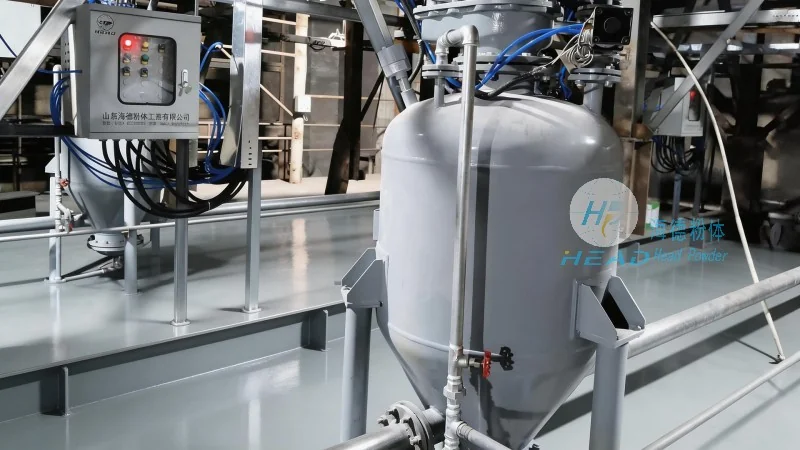
Negative Pressure Conveying Mode
Negative pressure systems, also known as suction or vacuum conveying, operate by creating a vacuum in the pipeline to draw material from the source. This mode is often preferred for applications where the material is to be collected from multiple points or where the source is at a higher elevation than the destination. Negative pressure systems are generally more energy-efficient for shorter distances and lower material loads, as they do not require high-pressure air compressors. They are particularly suitable for handling fine or powdery materials like fermented grain, as the vacuum helps maintain material integrity and prevents dust dispersion. The main advantages of negative pressure systems include lower initial costs, reduced energy consumption, and the ability to handle materials with lower moisture content. However, they may have limitations in terms of maximum conveying distance and material throughput compared to positive pressure systems.

Key Technical Differences and Performance Metrics
When comparing positive and negative pressure conveying modes, several technical parameters are critical for evaluating system suitability. These include pressure differentials, air velocity, material velocity, and system efficiency. Positive pressure systems typically operate at higher air pressures (e.g., 0.5 to 1.5 bar) and air velocities (e.g., 20 to 30 m/s), resulting in higher material velocities (e.g., 10 to 20 m/s). This leads to higher material throughput but also increased energy consumption. Negative pressure systems, on the other hand, operate at lower pressures (e.g., -0.1 to -0.5 bar) and air velocities (e.g., 10 to 20 m/s), with material velocities ranging from 5 to 15 m/s. The lower energy requirements make negative pressure systems more economical for shorter conveying distances. Additionally, the choice of mode affects system maintenance and component wear. Positive pressure systems may experience more wear on air compressors and pipeline components due to higher pressures, while negative pressure systems may have higher wear on vacuum pumps and filters.
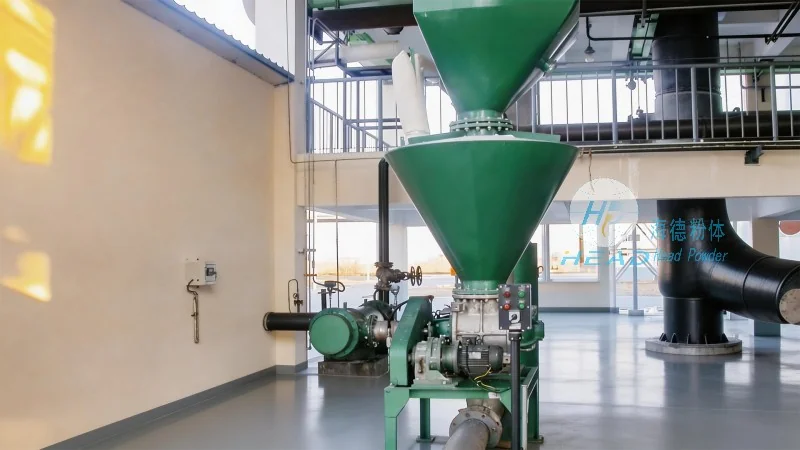
Application Considerations for Fermented Grain Handling
The selection of a pneumatic conveying mode for fermented grain handling depends on several factors, including the process layout, material characteristics, and operational requirements. For example, if the fermented grain is stored in silos at ground level and needs to be transported to a processing plant located at a higher elevation, a positive pressure system may be more suitable due to its ability to handle vertical and horizontal lifts efficiently. Conversely, if the material is to be collected from multiple small hoppers and transported to a central processing unit, a negative pressure system could offer advantages in terms of flexibility and lower energy costs. The material's moisture content, particle size, and flowability also play a role. Fermented grain, being a moist and potentially sticky material, may require a system that can maintain consistent flow without clogging. Both positive and negative pressure systems can be designed with features like air classifiers, cyclones, and material feeders to address these challenges, but the mode of operation influences the overall system design and performance.
Conclusion and Recommendations
In conclusion, both positive pressure and negative pressure pneumatic conveying modes offer viable solutions for transporting fermented grain, with each mode having distinct advantages and limitations. Positive pressure systems excel in high-throughput, long-distance, and high-elevation applications, while negative pressure systems are more economical for shorter distances and fine materials. The choice should be based on a thorough analysis of the specific application requirements, including material characteristics, system layout, and operational constraints. For optimal performance, it is recommended to consult with engineering experts who can design a customized system that balances efficiency, cost, and reliability. As a leading provider of pneumatic conveying solutions, Shandong HeadPowder Engineering Co., Ltd. specializes in developing tailored systems that meet the unique needs of the food and beverage industry, ensuring safe and efficient handling of fermented grain and other bulk materials.