

Rice Grain Pneumatic Conveying Technology: In-Depth Analysis and Application of Negative Pressure an
HeadPowder, a leading engineering company based in Shandong, China, specializes in advanced pneumatic conveying solutions tailored for rice grain handling. This article delves into the technical nuances of negative pressure and positive pressure pneumatic conveying systems, exploring their applications, advantages, and practical implementation in rice processing industries.
Understanding Negative Pressure Pneumatic Conveying
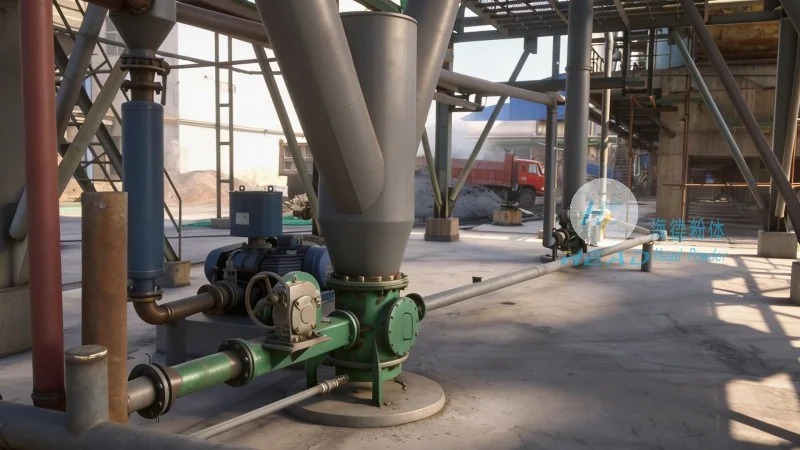
Negative pressure, or suction, pneumatic conveying systems are widely used in rice grain transport due to their ability to draw materials from multiple sources and handle fine or light particles. The system operates by creating a vacuum in the conveying line, which pulls the rice grain from the source to the destination. This method is particularly effective for applications requiring gentle handling of delicate grains, minimizing breakage and maintaining product quality. The key components of a negative pressure system include a vacuum pump, conveying line, and collection hopper. The vacuum pump generates the necessary negative pressure, while the conveying line transports the rice grain from the source to the collection point. The collection hopper then stores the conveyed rice grain, ready for further processing. HeadPowder's expertise in designing such systems ensures optimal performance, with considerations for material flow rates, particle size, and system efficiency. The negative pressure method is ideal for short to medium-distance conveying, typically up to 100 meters, and is commonly used in rice mills for transporting raw grains from storage silos to processing units.
Exploring Positive Pressure Pneumatic Conveying
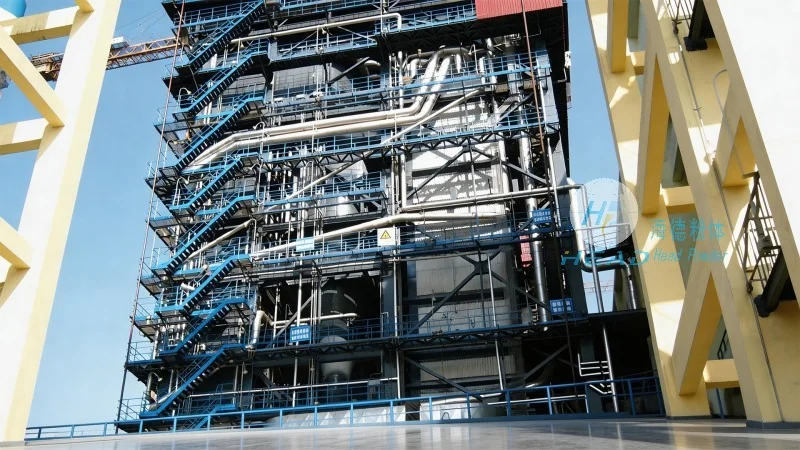
Positive pressure, or pressure, pneumatic conveying systems use compressed air to push the rice grain through the conveying line. This method is suitable for longer distances and can handle a wider range of particle sizes, including bulkier or heavier grains. The system operates by forcing compressed air and rice grain through the conveying line, with the air providing the necessary pressure to move the material. The key components of a positive pressure system include a blower, conveying line, and discharge hopper. The blower supplies compressed air, which mixes with the rice grain and propels it through the line. The discharge hopper then releases the conveyed rice grain, often with a dust collection system to ensure environmental compliance. HeadPowder's positive pressure systems are engineered for high efficiency and reliability, with features like adjustable air flow control and particle separation mechanisms. This method is commonly used in rice processing plants for transporting processed grains from processing units to packaging areas, covering distances up to several hundred meters. The positive pressure system's ability to handle higher flow rates and longer distances makes it a preferred choice for large-scale rice grain handling operations.
Comparative Analysis: Negative vs. Positive Pressure Systems
When selecting a pneumatic conveying system for rice grain transport, it is essential to consider the specific requirements of the application. Negative pressure systems excel in gentle handling and short-distance transport, while positive pressure systems offer advantages in longer distances and higher material throughput. The choice between the two depends on factors such as the distance between the source and destination, the particle size and density of the rice grain, and the desired level of product integrity. HeadPowder provides comprehensive technical support to help clients evaluate these factors and choose the most suitable system. For instance, in a rice mill where raw grains are transported from a silo to a milling unit over a short distance, a negative pressure system may be more appropriate due to its ability to handle delicate grains without breakage. Conversely, for transporting processed rice from the milling unit to a packaging facility over a longer distance, a positive pressure system may be more efficient due to its higher flow rates and ability to handle bulkier particles. The comparative analysis also highlights the importance of system maintenance and operational costs. Negative pressure systems typically require less maintenance as they operate under lower pressure, while positive pressure systems may need more frequent checks on air compressors and filtration systems. HeadPowder's expertise in both system design and maintenance ensures that clients can select the most cost-effective and reliable solution for their rice grain handling needs.
Application Scenarios in Rice Processing Industries
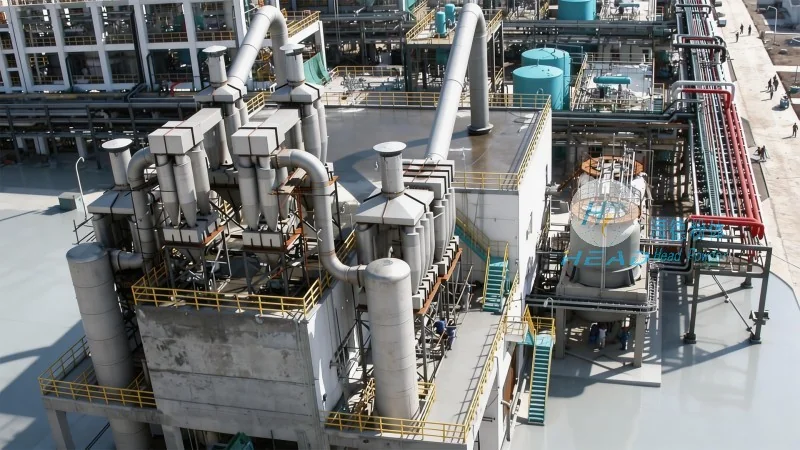
The application of pneumatic conveying systems in rice processing industries is diverse, catering to various stages of rice handling. In raw material handling, negative pressure systems are commonly used to transport rice grains from storage silos to processing units, ensuring minimal damage to the grains. The gentle suction process preserves the quality of the raw material, which is crucial for maintaining the final product's taste and texture. In processing stages, such as milling and polishing, positive pressure systems are employed to move processed rice from the milling units to packaging areas. The higher pressure and flow rates of these systems enable efficient transport of larger quantities of processed grains, reducing downtime and increasing overall production efficiency. Additionally, pneumatic conveying systems are used in quality control and inspection processes, where small quantities of rice grain are conveyed to testing equipment for moisture content, purity, and other quality parameters. HeadPowder's systems are designed to integrate seamlessly with existing rice processing lines, ensuring smooth operation and minimal disruption to production schedules. The company's focus on customizing solutions to meet specific industry requirements has made it a trusted partner for rice processing plants worldwide.