

[Diatomaceous Earth Pneumatic Conveying Technology: In-Depth Analysis of Negative Pressure and Posit
HeadPowder, a leading provider of industrial material handling solutions, specializes in advanced pneumatic conveying systems tailored for the transportation of diatomaceous earth. This article delves into the technical nuances of both negative pressure and positive pressure systems, offering a comprehensive understanding of their applications and benefits in the diatomaceous earth industry.
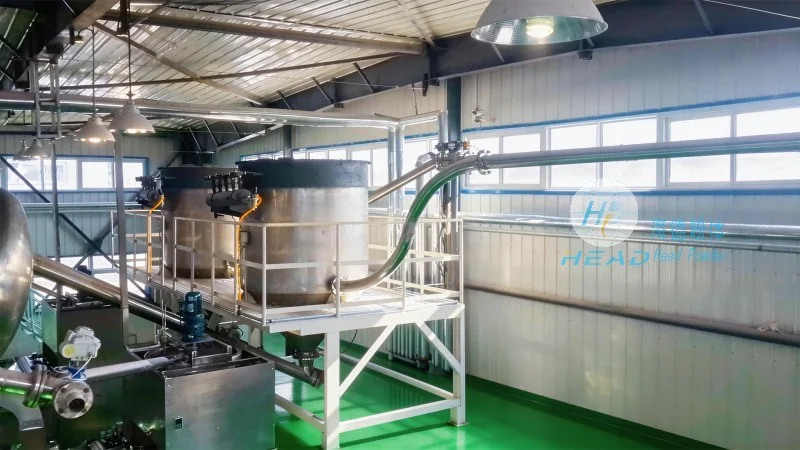
Introduction to Diatomaceous Earth Pneumatic Conveying
Diatomaceous earth, a natural sedimentary rock composed of fossilized diatoms, is widely used in various industries for filtration, abrasives, and agricultural applications. Efficient and reliable transportation of this fine powder is crucial for maintaining product quality and operational efficiency. Pneumatic conveying systems have emerged as a preferred method due to their ability to handle delicate materials like diatomaceous earth without causing degradation or contamination.
Negative Pressure (Vacuum) Pneumatic Conveying Systems
Negative pressure systems, also known as vacuum conveying, operate by creating a low-pressure environment at the material inlet to draw the diatomaceous earth into the conveying line. This method is particularly effective for handling fine powders and granules that are prone to dusting or caking. The system typically includes a vacuum pump, a hopper, and a filter to ensure clean material transport.
Key advantages of negative pressure systems include gentle material handling, which minimizes particle breakage and preserves the integrity of diatomaceous earth. This is critical for applications where the material's surface area and purity are essential, such as in filtration media production. Additionally, negative pressure systems are well-suited for long-distance conveying, as they can maintain consistent flow rates over extended distances without significant pressure loss.
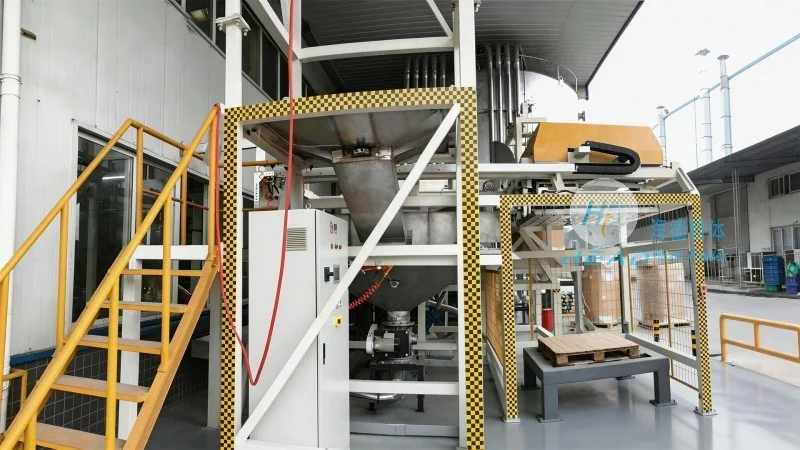
Positive Pressure (Pressure) Pneumatic Conveying Systems
Positive pressure systems, or pressure conveying, work by pressurizing the conveying line with air or gas, forcing the diatomaceous earth through the system. This method is often preferred for bulk material handling and when the material is less sensitive to pressure changes. The system consists of a blower, a hopper, and a discharge point, with the pressure maintained throughout the conveying path.
Positive pressure systems offer high conveying rates and are effective for transporting larger quantities of diatomaceous earth. They are particularly useful in applications where the material needs to be moved quickly, such as in large-scale production facilities. However, they may require more robust equipment to handle the higher pressures and potential for material degradation if not properly designed.
Comparative Analysis of Negative and Positive Pressure Systems
When selecting a pneumatic conveying system for diatomaceous earth, it is essential to consider the specific characteristics of the material and the operational requirements. Negative pressure systems excel in handling fine, delicate powders with minimal particle breakage, making them ideal for applications where product quality is paramount. Positive pressure systems, on the other hand, provide higher throughput and are more suitable for bulk material transport where speed and volume are critical.
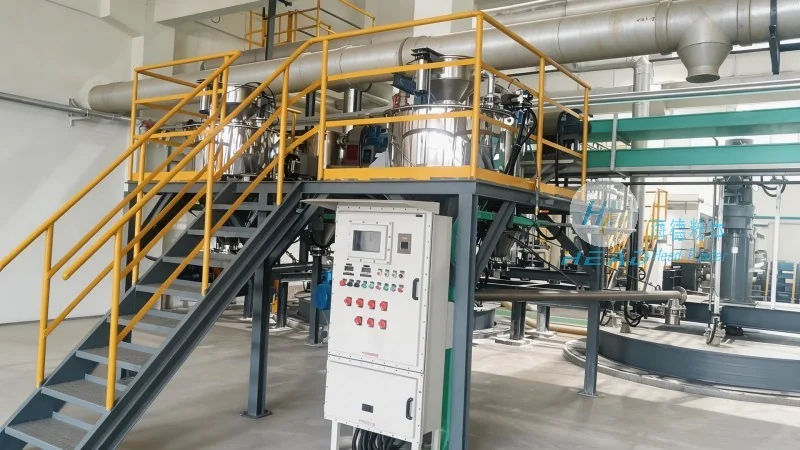
The choice between the two systems often depends on factors such as the distance of the conveying line, the particle size of the diatomaceous earth, and the desired level of material protection. For instance, short-distance conveying of fine diatomaceous earth may benefit from a negative pressure system, while long-distance bulk transport might be more efficiently handled by a positive pressure system.
Applications and Benefits in the Diatomaceous Earth Industry
Both negative and positive pressure pneumatic conveying systems find extensive applications in the diatomaceous earth industry. Negative pressure systems are commonly used in the production of filtration media, where the material's purity and particle integrity are critical. They ensure that the diatomaceous earth is transported without contamination or degradation, maintaining the quality of the final product.
Positive pressure systems are widely used in agricultural applications, where large quantities of diatomaceous earth are needed for pest control and soil amendment. These systems enable efficient and rapid transport of the material to storage or application sites, enhancing operational productivity.
Technical Considerations and Best Practices
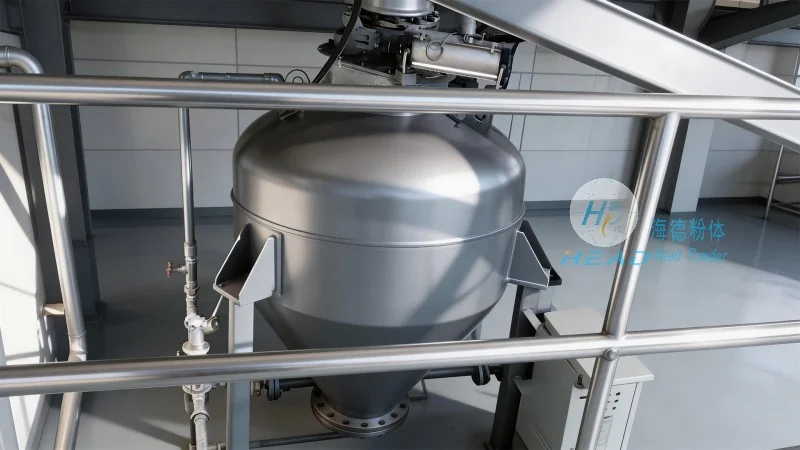
Implementing effective pneumatic conveying systems for diatomaceous earth requires careful consideration of several technical factors. Material properties, such as particle size distribution, moisture content, and flowability, significantly impact the system's performance. Proper equipment selection, including the type of vacuum pump or blower, and the design of the conveying line (e.g., pipe diameter, bends, and filters) are crucial for optimal operation.
Regular maintenance and monitoring are essential to ensure the longevity and efficiency of the system. Filters must be regularly cleaned or replaced to prevent clogging, which can reduce conveying efficiency and increase maintenance costs. Additionally, monitoring pressure and flow rates helps identify any issues early, allowing for timely adjustments and preventing material blockages.
Conclusion
HeadPowder's expertise in designing and implementing both negative and positive pressure pneumatic conveying systems provides tailored solutions for the diatomaceous earth industry. By understanding the unique characteristics of diatomaceous earth and the operational needs of each application, HeadPowder ensures that clients receive efficient, reliable, and cost-effective material handling solutions. Whether using negative pressure for delicate powder handling or positive pressure for bulk transport, the right system can significantly enhance productivity and product quality in the diatomaceous earth sector.