

Analysis of Fiber Pneumatic Conveying Systems
HeadPowder, a leading provider in the field of material handling solutions, specializes in the design, manufacturing, and implementation of fiber pneumatic conveying systems. This article delves into the technical aspects, operational principles, and practical applications of such systems, offering a comprehensive overview for industry professionals and potential clients.
Understanding Fiber Pneumatic Conveying Systems
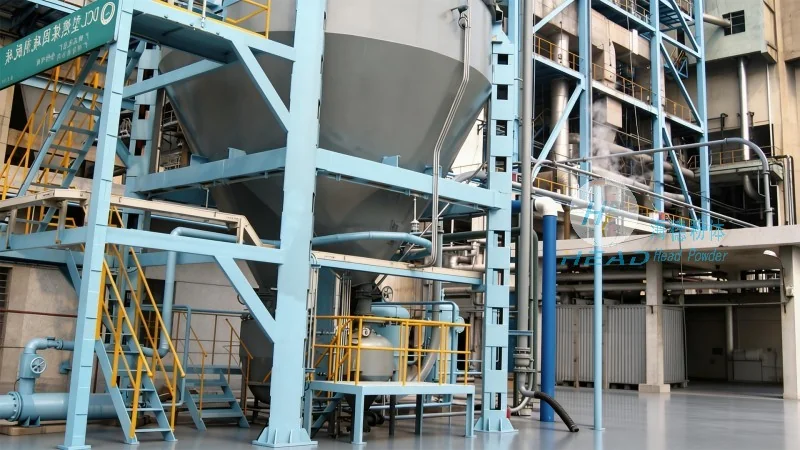
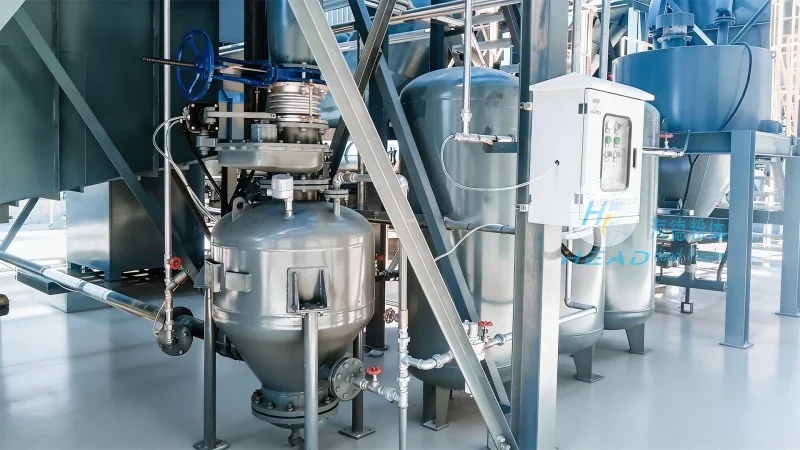
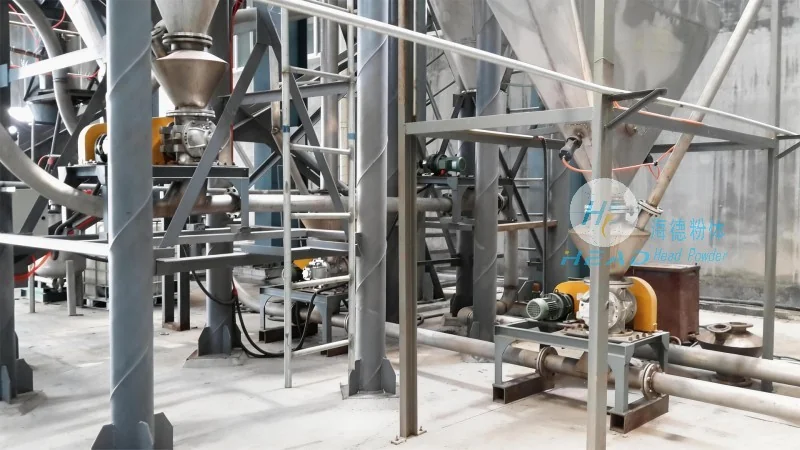
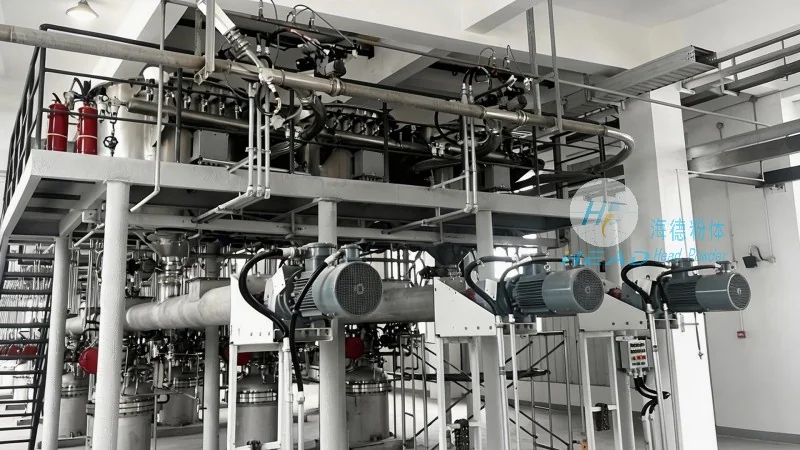
Fiber pneumatic conveying systems are advanced technologies used to transport bulk materials, particularly those with fibrous or particulate characteristics, through a pipeline using air or other gases as the conveying medium. Unlike traditional mechanical conveying methods, these systems rely on the principles of fluid dynamics to move materials efficiently and safely. The core components typically include a hopper for material storage, a conveyor line, a venturi or other air-moving device, and a receiver for the discharged material. The system operates by creating a pressure differential, where air is introduced at high velocity to draw the material particles into the pipeline, ensuring a continuous and controlled flow. The hopper is often equipped with a feeding mechanism, such as a rotary valve or screw feeder, to regulate the material feed rate and prevent blockages. The conveyor line, constructed from durable materials like stainless steel or specialized polymers, is designed to withstand the abrasive nature of fibrous materials and maintain the integrity of the material stream. The venturi or air-moving device is the heart of the system, generating the necessary airflow to transport the material. It works by accelerating the air to a high velocity, creating a low-pressure zone that pulls the material particles into the pipeline. The receiver, positioned at the end of the conveyor line, collects the conveyed material and may include a discharge valve for controlled release. The system also incorporates control valves, filters, and pressure sensors to monitor and adjust the operation, ensuring optimal performance and preventing system failures.
Key Components and Operational Principles
The effectiveness of a fiber pneumatic conveying system hinges on its key components, each playing a critical role in the overall process. The material hopper is designed to store the bulk material, often with a sloped interior to facilitate material flow and prevent accumulation. It may also include a level indicator to monitor the material inventory. The conveyor line, usually made of stainless steel or food-grade materials for specific applications, is equipped with internal liners or coatings to prevent material buildup and corrosion. The venturi or air-moving device is a critical component, available in various designs such as the Venturi tube, rotary lobe pump, or positive displacement blower, each offering different airflow characteristics and pressure capabilities. The receiver, typically a hopper or tank, is designed to handle the incoming material and may include a dust collection system to capture any airborne particles. Control valves, such as gate valves or butterfly valves, are used to regulate the airflow and material flow, while filters and cyclones are employed to separate any fine particles from the air stream, ensuring clean operation and preventing clogging. Pressure sensors and flow meters provide real-time monitoring of system performance, allowing for immediate adjustments to maintain optimal conditions.