

Carbon Fiber Pneumatic Conveying Technology: In-Depth Analysis of Negative Pressure and Positive Pre
HeadPowder, a leading provider in the field of material handling solutions, specializes in advanced carbon fiber pneumatic conveying systems. This article delves into the technical nuances of both negative pressure and positive pressure pneumatic conveying, highlighting their applications and benefits for efficient carbon fiber transport. The company, Shandong HeadPowder Engineering Co., Ltd., based in Shandong, China, offers tailored solutions that meet the specific demands of the carbon fiber industry.
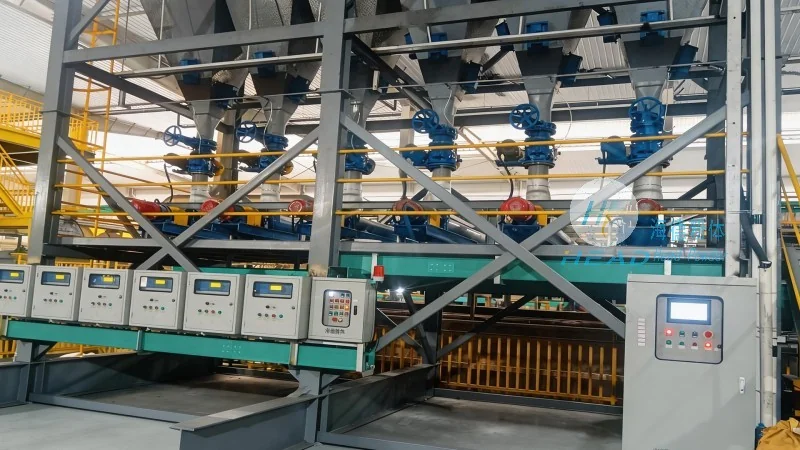
Understanding Pneumatic Conveying Systems for Carbon Fiber
Pneumatic conveying is a critical process in the carbon fiber manufacturing and processing chain, enabling the safe and efficient transport of fine powders and fibers. The choice between negative pressure (suction) and positive pressure (blowing) systems depends on several factors, including material properties, system layout, and operational requirements. Both systems have distinct advantages and are suitable for different scenarios in carbon fiber handling.
Negative Pressure (Suction) Pneumatic Conveying
Negative pressure systems operate by creating a vacuum at the material inlet, drawing the carbon fiber powder or fibers into the conveying line. This method is particularly effective for applications where the material is to be transported from multiple sources or over longer distances. The system uses a vacuum pump to create the pressure differential, ensuring that the material is drawn into the pipeline without the need for mechanical feeders at each source point. For carbon fiber, which is often a fine, abrasive powder, negative pressure systems can help minimize material degradation and maintain product quality. The design typically includes a hopper or collection point where the material is stored before being drawn into the conveying line. The vacuum pump, usually located at the discharge end, pulls the material through the pipeline, with the air and material mixture being separated at the end of the line using a cyclone or filter system. This separation process is crucial for maintaining the purity of the carbon fiber and preventing contamination from the conveying air.
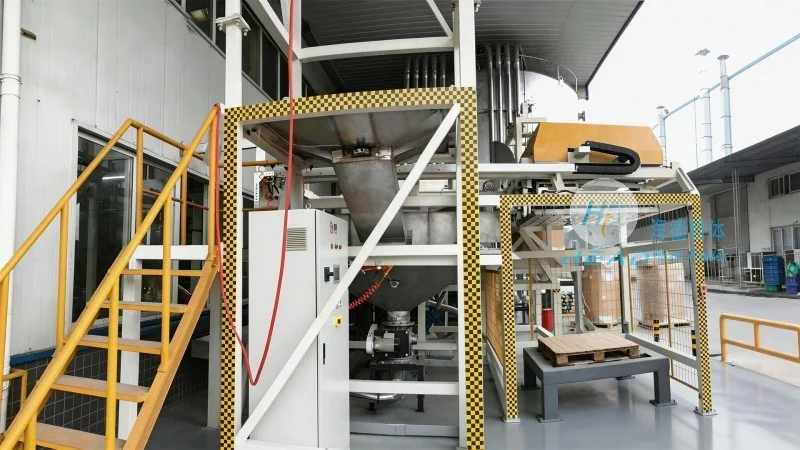
Positive Pressure (Blowing) Pneumatic Conveying
Positive pressure systems, on the other hand, use a blower or compressor to push air and material through the conveying line. The material is fed into the pipeline at the inlet, and the air pressure pushes it towards the discharge point. This method is ideal for short to medium distance transport and when the material is to be delivered to a single or a few destinations. Positive pressure systems are often more straightforward in design, as they do not require a vacuum pump and can use standard air compressors. However, they may be less suitable for handling very fine or abrasive materials like carbon fiber, as the high air pressure can cause more wear on the pipeline and components. The system typically includes a feeder that meters the carbon fiber into the pipeline, ensuring a consistent flow rate. The blower provides the necessary pressure to move the material through the line, and the discharge is usually at the end of the pipeline, where the material is collected in a hopper or processing unit. The air used in positive pressure systems is often filtered to remove any carbon fiber particles, preventing contamination of the air handling equipment.
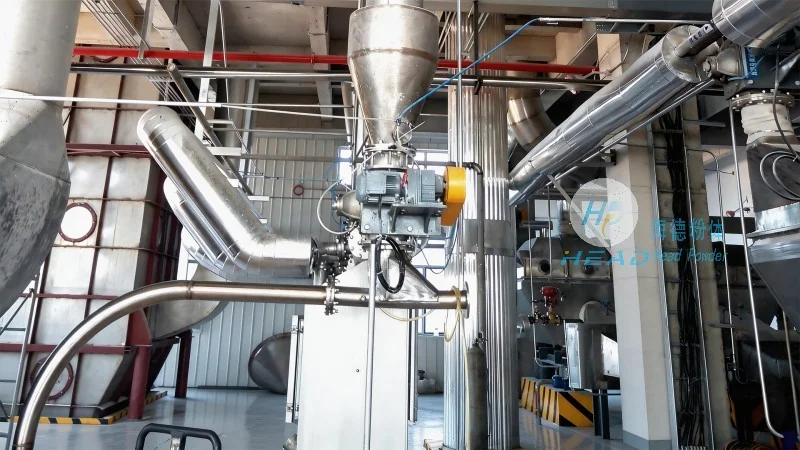
Key Considerations for Carbon Fiber Pneumatic Conveying
When implementing pneumatic conveying systems for carbon fiber, several key considerations must be addressed to ensure optimal performance and longevity. Material properties, such as particle size, density, and abrasiveness, play a significant role in determining the most suitable system type. For instance, very fine carbon fiber powders may require a more gentle conveying method to avoid agglomeration or damage, which negative pressure systems can often provide due to their lower air velocities. System layout and distance are also critical factors; negative pressure systems are better suited for longer distances or multiple source points, while positive pressure systems are more efficient for shorter distances and single destinations. The choice of pipeline material is another important consideration, as carbon fiber is abrasive and can cause wear on metal or plastic components over time. High-quality, wear-resistant materials like stainless steel or specialized polymers are often used to extend the lifespan of the system. Additionally, the air filtration system is essential to maintain the purity of the carbon fiber and protect the conveying equipment from damage caused by fine particles. Regular maintenance and monitoring of the system are also necessary to ensure consistent performance and to detect any issues early, such as clogging or wear on components.
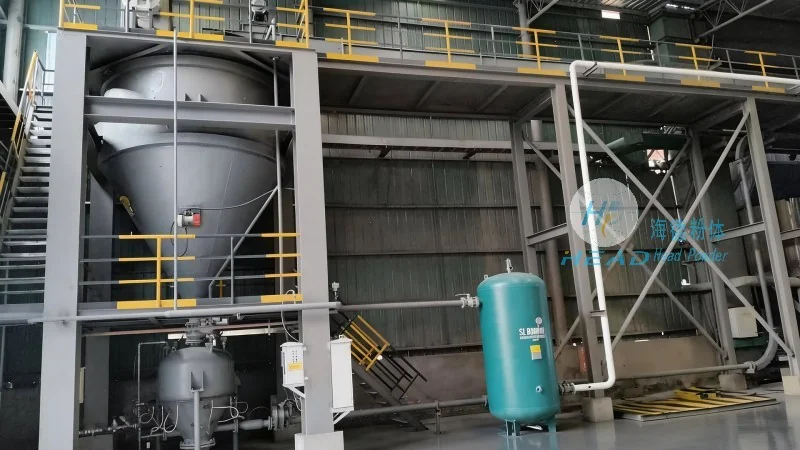
Applications and Benefits of Carbon Fiber Pneumatic Conveying
The applications of carbon fiber pneumatic conveying systems are diverse and span various industries, including aerospace, automotive, and sports equipment manufacturing. In aerospace, carbon fiber is used in the production of lightweight yet strong components for aircraft, and efficient conveying is crucial for maintaining the quality of the material during processing. In automotive applications, carbon fiber is used to produce high-performance parts, and the ability to transport the material efficiently to the manufacturing line is essential for production efficiency. The benefits of using pneumatic conveying systems for carbon fiber include improved material handling efficiency, reduced labor costs, and enhanced product quality. By minimizing material handling time and preventing contamination, these systems help manufacturers achieve higher productivity and better product consistency. Additionally, the use of advanced materials and design in modern pneumatic conveying systems ensures that they can handle the unique challenges of carbon fiber, such as its abrasive nature and fine particle size, leading to longer system lifespans and lower maintenance costs.
Conclusion
Carbon fiber pneumatic conveying systems, whether negative pressure or positive pressure, offer effective solutions for the efficient and safe transport of carbon fiber materials. The choice between the two systems depends on the specific requirements of the application, including material properties, system layout, and operational needs. Companies like Shandong HeadPowder Engineering Co., Ltd. provide tailored solutions that address these factors, ensuring that the carbon fiber is transported with minimal degradation and maximum quality. By understanding the technical aspects of these systems and considering the key factors involved, manufacturers can select the most appropriate pneumatic conveying system for their carbon fiber handling needs, leading to improved productivity and better product outcomes.