

Technical Analysis of Dry Manure Pneumatic Conveying Systems: Comparison of Positive and Negative Pr
HeadPowder, a leading engineering company based in Shandong, China, specializes in the design and implementation of advanced pneumatic conveying solutions for agricultural and waste management applications. With a focus on efficient and sustainable material handling, the company has developed expertise in systems tailored for the transportation of dry manure, a critical component in modern farming operations.
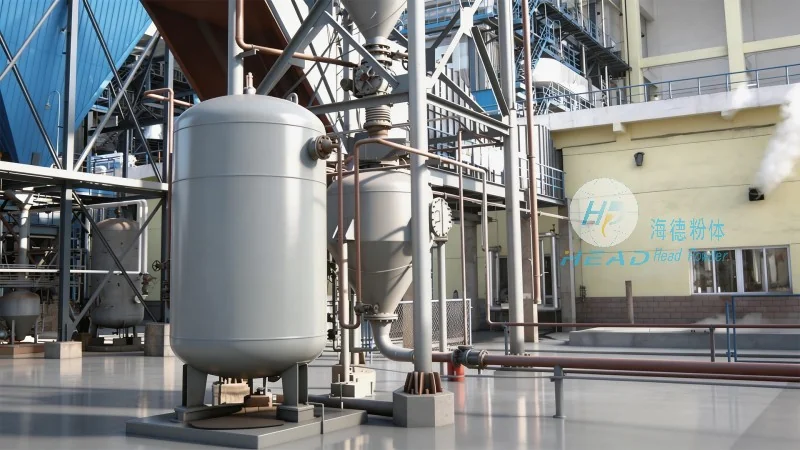
Positive Pressure Conveying Mode: Advantages and Applications
Positive pressure conveying systems operate by blowing air or a mixture of air and gas through the conveying line, creating a pressure differential that propels the dry manure forward. This mode is particularly suitable for short to medium-distance transport, where the material is light and the system can maintain consistent pressure. The advantages of positive pressure include high conveying capacity, minimal material degradation, and the ability to handle abrasive or sticky materials without excessive wear on the system components. For agricultural applications, positive pressure systems are often used in on-farm storage and processing facilities, where the distance between the manure storage and the processing plant is relatively short, typically ranging from 50 to 500 meters. The system's design allows for easy integration with existing farm infrastructure, ensuring seamless operation and minimal disruption to daily farming activities.
Negative Pressure Conveying Mode: Benefits and Use Cases
Negative pressure conveying, also known as vacuum conveying, works by creating a vacuum in the conveying line to draw dry manure into the system. This mode is ideal for longer-distance transport, where the material needs to be moved over distances exceeding 500 meters. The benefits of negative pressure include lower energy consumption compared to positive pressure systems, as the vacuum is generated by a relatively small and efficient vacuum pump. Additionally, negative pressure systems are better suited for handling fine or powdery materials, as the vacuum helps to maintain the material's integrity and prevent segregation. For large-scale agricultural operations, negative pressure conveying is often employed to transport dry manure from multiple storage silos to a central processing facility or to remote application sites. The system's ability to handle long distances and maintain material quality makes it a preferred choice for farms with extensive land areas or those requiring centralized fertilizer production.
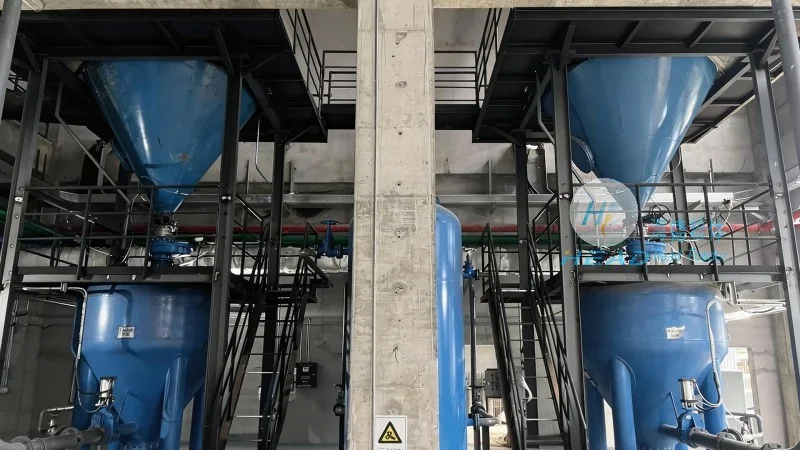
Comparison of Positive and Negative Pressure Conveying Modes
When selecting a pneumatic conveying system for dry manure transport, it is essential to consider the specific requirements of the application, including distance, material characteristics, and operational constraints. The choice between positive and negative pressure modes depends on several factors, such as the distance to be covered, the material's density and flowability, and the available energy resources. Positive pressure systems are generally more suitable for shorter distances and higher conveying capacities, while negative pressure systems excel in longer-distance transport and energy efficiency. In terms of material handling, positive pressure is better for abrasive or sticky materials, whereas negative pressure is more effective for fine powders. From an operational perspective, positive pressure systems may require more maintenance due to higher air pressure and wear on components, whereas negative pressure systems have lower maintenance needs but may need more frequent filter changes to prevent dust accumulation. Ultimately, the optimal choice depends on the specific needs of the agricultural operation, balancing cost, efficiency, and material quality.
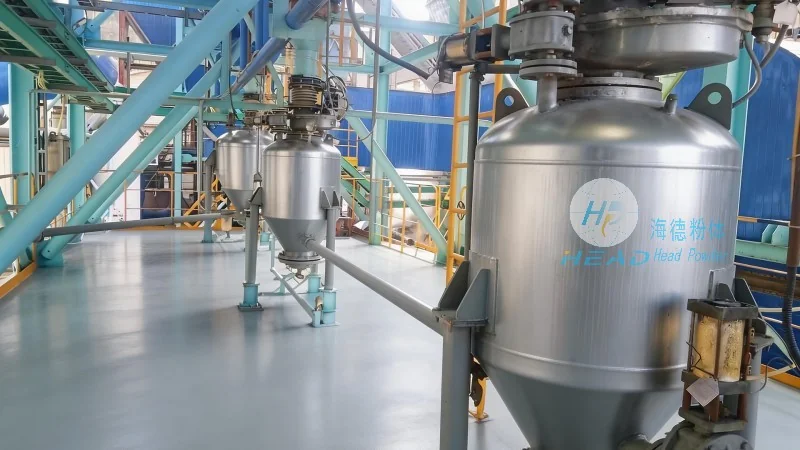
HeadPowder's Customized Solutions for Dry Manure Conveying
HeadPowder Engineering Co., Ltd. offers tailored pneumatic conveying solutions that address the unique challenges of dry manure transportation. By leveraging their expertise in both positive and negative pressure systems, the company designs and manufactures systems that meet the specific requirements of each client. The company's engineers work closely with clients to assess their operational needs, including the distance between storage and processing facilities, the volume of dry manure to be transported, and the material's physical properties. Based on this assessment, HeadPowder provides customized system designs that optimize performance, energy efficiency, and cost-effectiveness. The company's solutions include a range of components, such as air compressors, vacuum pumps, conveying lines, and material feeders, all designed to work together seamlessly. HeadPowder's commitment to quality and innovation ensures that their systems are durable, reliable, and easy to maintain, providing long-term value to agricultural operations. Whether a client requires a positive pressure system for short-distance transport or a negative pressure system for long-distance handling, HeadPowder delivers solutions that enhance operational efficiency and support sustainable farming practices.
Conclusion: Choosing the Right Pneumatic Conveying System for Dry Manure
Efficient and reliable transportation of dry manure is crucial for modern agricultural operations, and pneumatic conveying systems offer an effective solution. The choice between positive and negative pressure modes depends on the specific application requirements, including distance, material characteristics, and operational constraints. Positive pressure systems are ideal for short to medium distances and high conveying capacities, while negative pressure systems excel in longer-distance transport and energy efficiency. By understanding the advantages and limitations of each mode, agricultural operations can select the most suitable system to enhance productivity, reduce costs, and maintain material quality. HeadPowder Engineering Co., Ltd., with its expertise in both positive and negative pressure pneumatic conveying systems, provides customized solutions that meet the unique needs of each client, ensuring optimal performance and long-term success in dry manure transportation.