

Technical Analysis of Desulfurization Fly Ash Pneumatic Conveying Systems: Comparison of Positive an
Desulfurization fly ash, a byproduct of flue gas desulfurization processes in power plants, requires efficient and reliable transport for disposal or reuse. Pneumatic conveying systems have emerged as a key technology for handling this material, offering solutions that balance performance, cost, and operational safety. This article provides a technical analysis of two primary conveying modes—positive pressure and negative pressure systems—used in desulfurization fly ash transport, with a focus on their operational principles, advantages, and limitations.
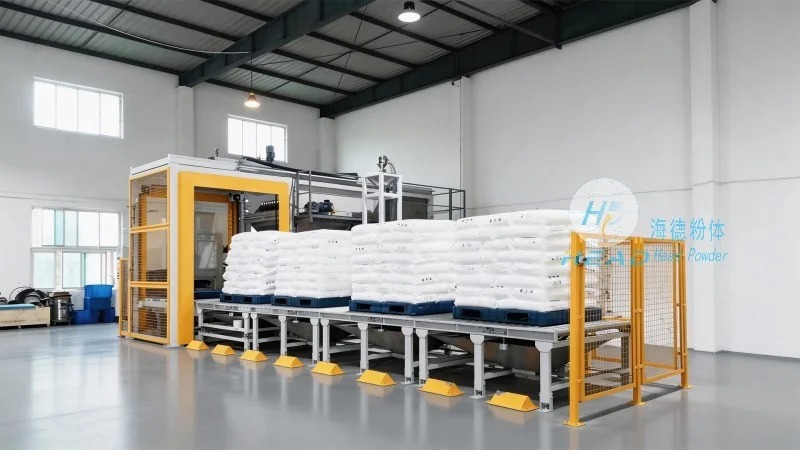
Company Overview: Shandong HeadPowder Engineering Co., Ltd.
Shandong HeadPowder Engineering Co., Ltd., commonly known as HeadPowder, is a specialized engineering firm based in Shandong, China. The company specializes in the design, manufacturing, and implementation of pneumatic conveying systems for industrial applications, including those involving desulfurization fly ash. With years of experience in the field, HeadPowder has developed expertise in optimizing material handling solutions to meet the unique challenges of ash transport, ensuring high efficiency and minimal environmental impact.
Positive Pressure Pneumatic Conveying Systems
Positive pressure systems operate by blowing air or a gas mixture into the conveying line, creating a pressure higher than the ambient air pressure. This method propels the fly ash particles through the pipeline using a positive pressure source, such as a blower or compressor. The primary advantage of positive pressure systems is their ability to handle long distances and high material loads, making them suitable for large-scale industrial applications. Additionally, these systems are generally more reliable in terms of maintaining consistent flow rates and are less susceptible to blockages compared to negative pressure systems. However, they require robust sealing and filtration to prevent dust leakage and environmental contamination, which adds to the operational complexity and cost.
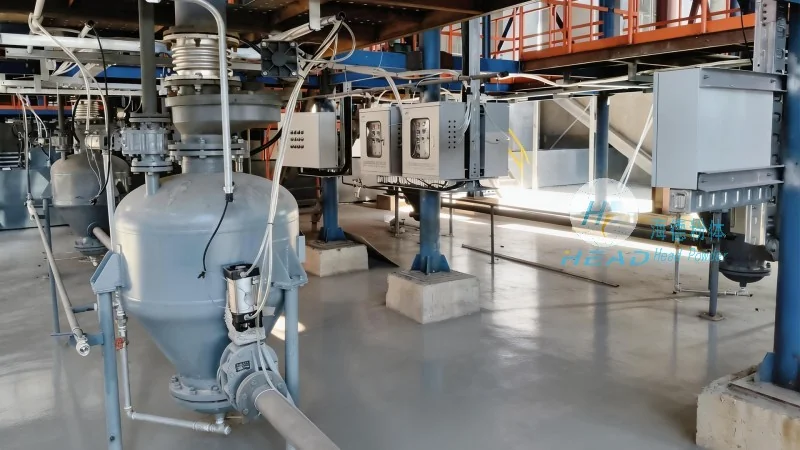
Negative Pressure Pneumatic Conveying Systems
Negative pressure systems, conversely, create a vacuum or low-pressure environment within the conveying line, drawing the fly ash particles into the system using a suction fan or vacuum pump. This approach is often preferred for applications where the material is to be collected from a source that is already at a lower pressure, such as a silo or hopper. The key benefits of negative pressure systems include lower energy consumption and reduced noise levels, as the suction fan operates at lower speeds compared to the high-pressure blowers used in positive systems. Furthermore, they are less likely to cause dust emissions at the source, as the material is drawn into the system rather than being expelled. Nevertheless, negative pressure systems have limitations in terms of conveying distance and material capacity, as the vacuum can weaken over long pipelines, potentially leading to reduced flow rates and increased risk of blockages.
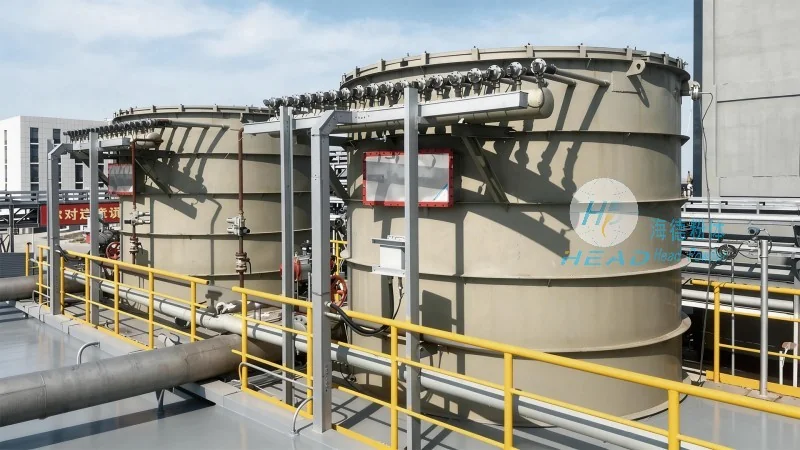
Comparison of Positive and Negative Pressure Systems for Desulfurization Fly Ash
When selecting a pneumatic conveying system for desulfurization fly ash, the choice between positive and negative pressure modes depends on several critical factors, including the distance to be covered, the volume of material to be transported, and the environmental regulations in the operating area. Positive pressure systems are typically more suitable for long-distance transport and high-volume applications, where the ability to maintain consistent pressure and flow is paramount. In contrast, negative pressure systems excel in shorter-distance or low-volume scenarios, where energy efficiency and reduced noise are prioritized. The decision also involves considerations of system maintenance and operational safety, as positive pressure systems require more stringent sealing and filtration to prevent dust leakage, while negative pressure systems may need additional measures to prevent backflow or air leakage.
Key Considerations for Implementing Pneumatic Conveying Systems
Implementing an effective pneumatic conveying system for desulfurization fly ash involves careful consideration of several technical and operational aspects. First, the material characteristics of the fly ash, such as particle size, moisture content, and density, must be thoroughly analyzed to determine the appropriate conveying velocity and system design. For example, finer particles may require higher conveying velocities to prevent settling or blockages, while higher moisture content can increase the risk of caking, necessitating additional drying or conditioning steps. Second, the layout of the conveying system, including the number and placement of inlets, outlets, and bends, plays a crucial role in optimizing flow and minimizing energy consumption. Properly designed system components, such as elbows, valves, and filters, are essential to ensure smooth operation and prevent system failures. Third, the selection of the pressure source—whether a positive pressure blower or a negative pressure vacuum pump—must align with the operational requirements and environmental constraints. Finally, regular maintenance and monitoring of the system are critical to ensure long-term reliability and performance, as issues such as wear and tear or clogging can significantly impact efficiency.