

[GELATIN POSITIVE PRESSURE AND NEGATIVE PRESSURE CONVEYING: A COMPARATIVE ANALYSIS OF TWO PNEUMATIC
When it comes to transporting gelatin in industrial settings, the choice between positive pressure and negative pressure pneumatic conveying systems is a critical decision. Both methods offer distinct advantages and are suited to different operational requirements. This analysis, provided by Shandong HeadPowder Engineering Co., Ltd. (HeadPowder), delves into the characteristics, benefits, and practical considerations of each approach, providing a comprehensive overview for industry professionals seeking to optimize their material handling processes.
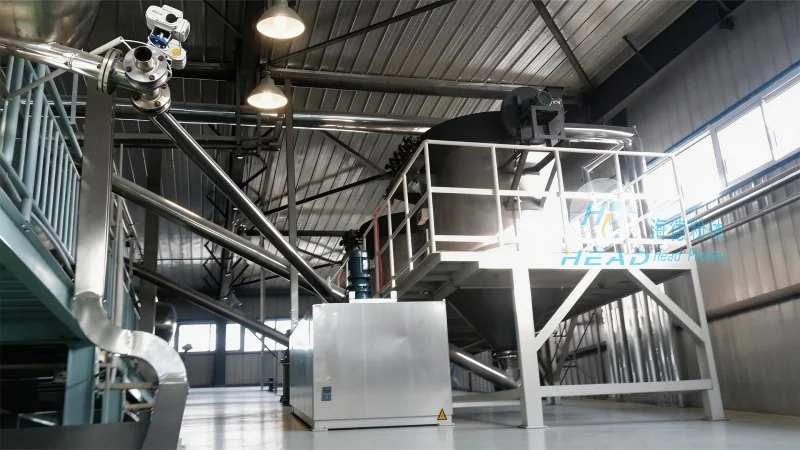
Understanding Pneumatic Conveying Fundamentals
Pneumatic conveying systems use air or gas to transport bulk materials like gelatin through a pipeline. The two primary methods—positive pressure and negative pressure—differ in how they generate the necessary airflow and pressure to move the material. Positive pressure systems force air into the conveying line, while negative pressure systems create a vacuum by pulling air out of the line. Each method has unique implications for system design, energy consumption, and material handling efficiency.
Positive Pressure Conveying for Gelatin
Positive pressure conveying operates by blowing air or gas into the conveying line, creating a pressure higher than the ambient air pressure. This method is often preferred for transporting gelatin due to its ability to handle abrasive or sticky materials without causing degradation. The system typically includes a blower or compressor at the inlet, which supplies the necessary pressure to move the material. A key advantage of positive pressure is its ability to handle long conveying distances and multiple transfer points without significant pressure loss. However, it may require more robust equipment and higher energy input compared to negative pressure systems.
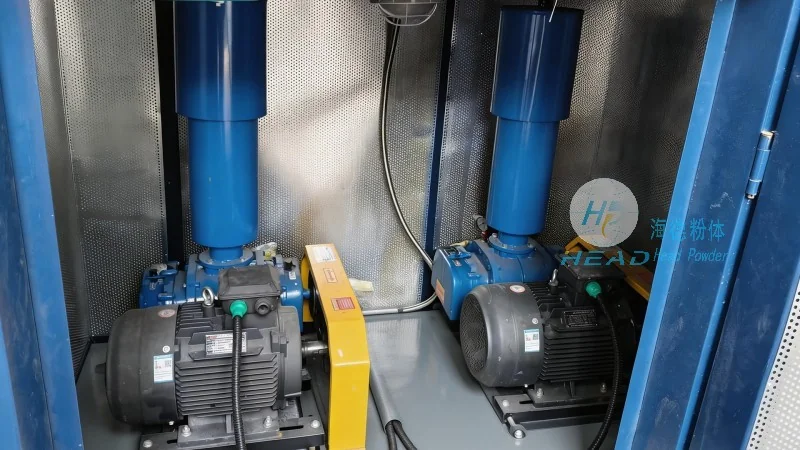
Negative Pressure Conveying for Gelatin
Negative pressure conveying, also known as vacuum conveying, works by creating a vacuum in the conveying line. Air is drawn out of the system, pulling the gelatin material along with it. This method is particularly effective for handling fine or dusty materials and is often used in applications where dust control is a priority. Negative pressure systems are generally more energy-efficient for short to medium conveying distances and can be simpler to install in existing facilities. However, they may have limitations in handling highly abrasive or large particulate materials, as the vacuum can cause material degradation or blockages if not properly managed.
Key Performance Metrics and Comparisons
When evaluating the suitability of positive or negative pressure systems for gelatin, several performance metrics are critical. These include pressure drop, material velocity, system efficiency, and operational costs. Positive pressure systems typically maintain higher pressure levels, which can result in faster material transport and reduced risk of clogging. In contrast, negative pressure systems rely on lower pressure differentials, making them more suitable for gentle material handling. Energy consumption is another important factor: positive pressure systems often consume more power due to the need to generate higher pressure, while negative pressure systems may be more economical for shorter distances. The choice ultimately depends on the specific application, including the distance to be covered, the volume of material, and the physical properties of the gelatin being transported.
Practical Applications and Industry Use Cases
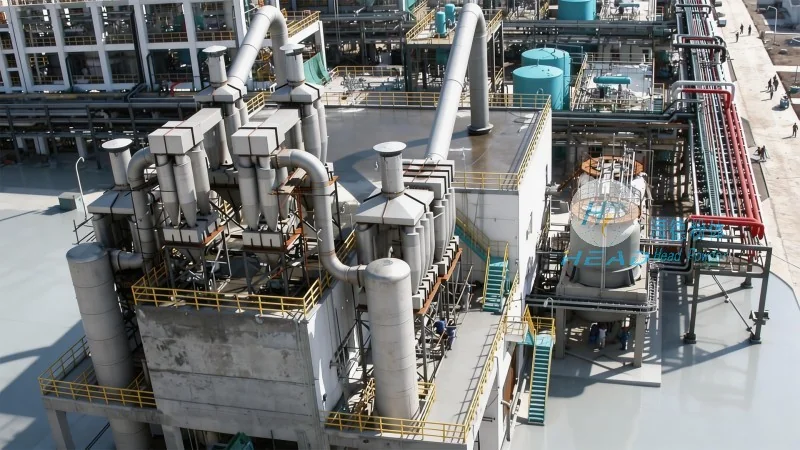
Both positive and negative pressure conveying have established applications in the gelatin industry. Positive pressure systems are commonly used in large-scale production facilities where high throughput and long-distance transport are required. For example, in the manufacturing of gelatin-based products like gummy candies or pharmaceutical excipients, positive pressure systems can efficiently move large batches of gelatin from storage silos to processing lines. Negative pressure systems, on the other hand, are often employed in smaller-scale operations or in environments where dust containment is paramount, such as in food processing plants where hygiene and air quality are strictly regulated.
System Design and Installation Considerations
The design of a pneumatic conveying system for gelatin must account for several factors to ensure optimal performance. For positive pressure systems, the selection of a suitable blower or compressor is essential, as it must be capable of maintaining the required pressure throughout the conveying line. The pipeline layout, including bends and elbows, must be carefully designed to minimize pressure drop and prevent material buildup. In negative pressure systems, the vacuum pump must be sized appropriately to handle the material flow rate and maintain sufficient suction. Additionally, both systems require proper filtration and cleaning mechanisms to prevent material accumulation and maintain air quality. The choice of materials for the pipeline, such as stainless steel or plastic, also impacts durability and resistance to gelatin's properties.