

Technical Analysis of Quicklime Pneumatic Conveying Systems: Comparison of Positive Pressure vs. Neg
Quicklime, or calcium oxide (CaO), is a vital industrial material utilized in sectors such as cement production, steel manufacturing, and chemical synthesis. The efficient and safe transportation of quicklime from storage to processing equipment is critical to maintain operational efficiency and ensure product quality. Pneumatic conveying systems have become a preferred method for handling quicklime due to their ability to manage dusty, abrasive materials without mechanical components like belts or buckets. HeadPowder Engineering, a leading provider of material handling solutions, specializes in designing and implementing advanced pneumatic conveying systems tailored to the unique challenges of quicklime handling. With a focus on technical innovation and customer-centric solutions, HeadPowder Engineering has established itself as a trusted partner for industries reliant on quicklime processing.
Positive Pressure Pneumatic Conveying Systems: Characteristics and Applications
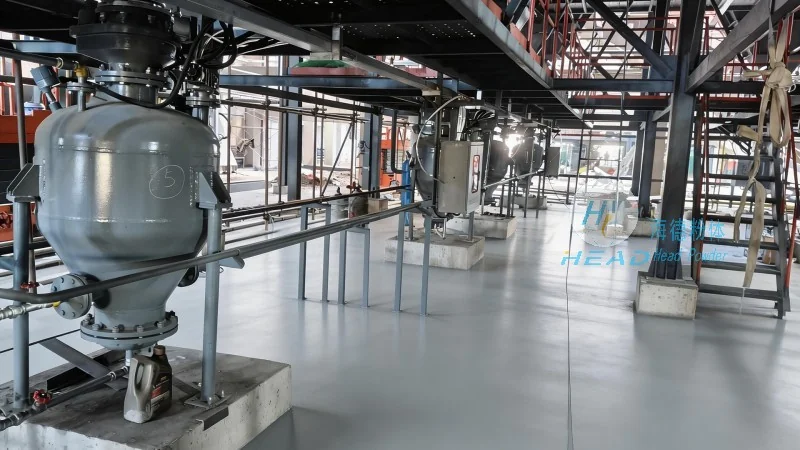
Positive pressure systems operate by generating high-pressure air that forces material through a pipeline. This mode is particularly effective for transporting quicklime over long distances and in large volumes. The primary characteristic of positive pressure systems is maintaining a positive pressure within the conveying line, which prevents dust leakage and contamination. For quicklime, a fine, powdery material prone to dust generation, this feature is highly advantageous. The system typically includes a blower, a hopper, and a pipeline network, with material drawn from the hopper and propelled forward by pressurized air. Positive pressure systems are capable of handling high flow rates and can be configured for both dilute and dense phase conveying, depending on application requirements. In quicklime handling, positive pressure systems are often preferred for applications where material needs to be transported from a storage silo to a processing plant over distances of several hundred meters or more. The high velocity and pressure ensure rapid material delivery without clogging, making them suitable for continuous production lines.
Negative Pressure Pneumatic Conveying Systems: Advantages and Use Cases
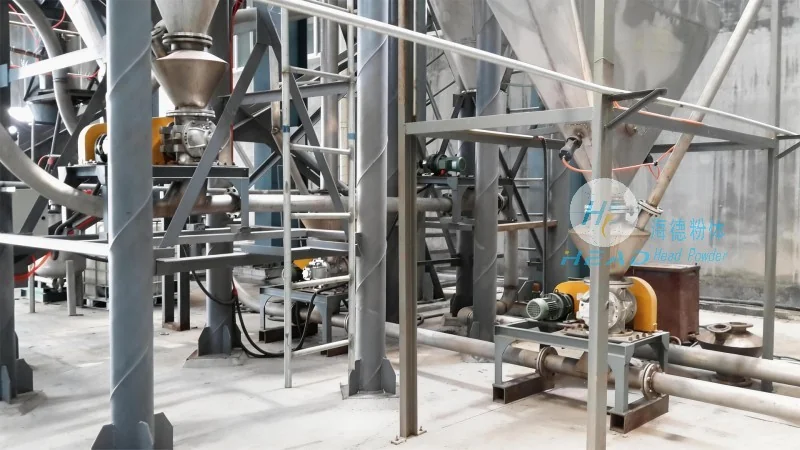
Negative pressure systems, also known as vacuum or suction systems, operate by creating a low-pressure environment that draws material into the pipeline. This mode is ideal for applications where dust control is a top priority, as the system draws material from a source and transports it to a collection point without releasing dust into the environment. For quicklime, which can be a respiratory irritant and cause environmental concerns if not handled properly, negative pressure systems offer significant benefits. The system uses a vacuum pump to create suction, and material is drawn from a hopper or storage bin into the pipeline. Negative pressure systems are generally more energy-efficient for short to medium distances and are often used in applications where the material needs to be transferred from a lower elevation to a higher one, or where the source is located in a confined space. Unlike positive pressure systems, negative pressure systems do not generate high noise levels or require extensive pressure relief measures, making them suitable for indoor or enclosed environments. However, they may have limitations in terms of maximum conveying distance and material flow rate compared to positive pressure systems.
Comparative Analysis of Positive vs. Negative Pressure Systems for Quicklime Handling
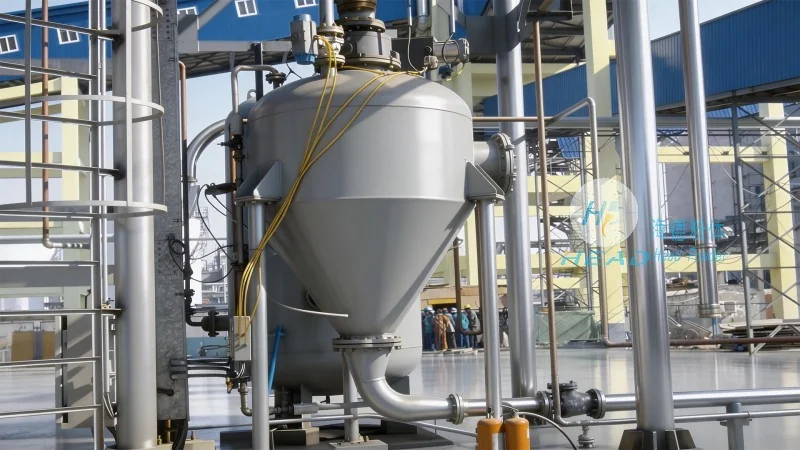
When selecting a pneumatic conveying system for quicklime, it is crucial to evaluate specific application requirements, including distance, material flow rate, dust control needs, and operational environment. Positive pressure systems excel in scenarios requiring high throughput and long-distance transport, offering reliable performance with minimal maintenance. They are particularly effective for outdoor applications where dust containment is less critical, as the pressurized line prevents leakage. On the other hand, negative pressure systems are superior in environments where dust exposure must be minimized, such as indoor processing facilities or where the material is sensitive to contamination. They are also more cost-effective for short-distance transfers and can be integrated into existing infrastructure with minimal modifications. The choice between the two modes often depends on a balance between operational efficiency and safety considerations. For instance, a quicklime plant with a large storage silo and a processing unit located several hundred meters away may opt for a positive pressure system to ensure rapid material delivery, while a smaller facility with a focus on dust control might choose a negative pressure system. HeadPowder Engineering provides comprehensive technical support to help clients assess these factors and select the most appropriate system configuration.
HeadPowder Engineering's Expertise in Designing Efficient Quicklime Conveying Solutions
HeadPowder Engineering, headquartered in Shandong, China, brings decades of experience in designing and manufacturing pneumatic conveying systems for diverse industrial applications. The company's team of engineers specializes in understanding the unique properties of materials like quicklime, including their reactivity, dust generation, and flow characteristics. By leveraging advanced computational fluid dynamics (CFD) and material testing, HeadPowder Engineering can model quicklime behavior in different conveying modes and optimize system design for maximum efficiency. The company offers customized solutions that integrate both positive and negative pressure components as needed, allowing for flexibility in handling varying production demands. For example, a client may require a system that uses positive pressure for the main transport line and negative pressure for the final delivery to a processing reactor to ensure precise dosing and minimize dust exposure. HeadPowder Engineering's commitment to quality and safety is reflected in its adherence to international standards, such as ISO 9001 for quality management and CE certification for equipment compliance. The company's after-sales support includes regular maintenance, performance monitoring, and technical training for operators, ensuring the conveying system operates at peak efficiency throughout its lifecycle. With a strong focus on customer satisfaction and technical innovation, HeadPowder Engineering has successfully implemented quicklime conveying systems for numerous clients across the chemical, cement, and steel industries, demonstrating its capability to deliver reliable and cost-effective solutions.

Conclusion: Choosing the Right Pneumatic Conveying System for Quicklime Handling
In conclusion, the selection of a pneumatic conveying system for quicklime handling depends on a careful evaluation of operational requirements, safety considerations, and environmental regulations. Positive pressure systems offer high efficiency and reliability for long-distance, high-volume transport, while negative pressure systems excel in dust control and short-distance applications. HeadPowder Engineering, with its expertise in material handling and pneumatic conveying technology, provides tailored solutions that address the specific needs of each client. By combining technical innovation with customer-centric service, HeadPowder Engineering ensures that quicklime is handled safely and efficiently, supporting the productivity and sustainability of industrial operations. Whether a client requires a new system installation or an upgrade to an existing setup, HeadPowder Engineering is positioned to deliver the advanced pneumatic conveying solutions needed to meet the evolving demands of the quicklime industry.