

Technical Analysis of Tailings Slurry Pneumatic Conveying Systems: Comparison of Positive Pressure a
When it comes to the efficient and safe transportation of tailings slurry in mining operations, the choice of pneumatic conveying system is critical. This article provides a technical analysis of two primary modes—positive pressure and negative pressure—exploring their characteristics, advantages, and applications in the context of tailings management. Understanding these systems is essential for optimizing material handling processes and ensuring environmental compliance.
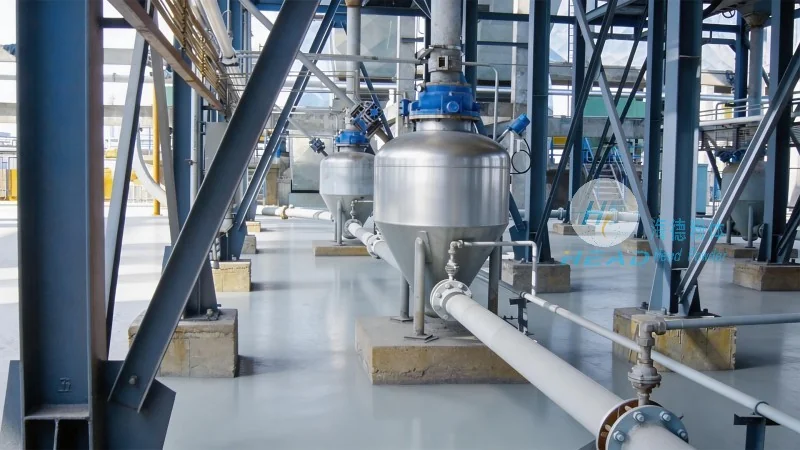
Positive Pressure Pneumatic Conveying Systems
Positive pressure systems operate by blowing air or gas into the conveying line, creating a pressure higher than the ambient air pressure. This method propels the tailings slurry through the pipeline. A key advantage of this approach is its ability to handle abrasive and high-density materials, making it suitable for transporting tailings with high solids content. The system typically includes a blower, a hopper for material storage, and a pipeline network. The positive pressure ensures that the material is continuously moved forward, reducing the risk of blockages and ensuring consistent flow rates. However, these systems require robust equipment to withstand the higher pressures and may need additional filtration to prevent dust emissions.
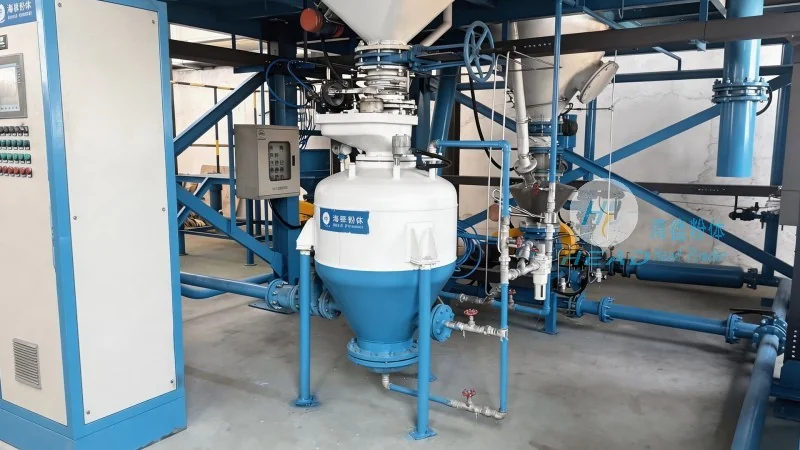
Negative Pressure Pneumatic Conveying Systems
Negative pressure systems, also known as vacuum or suction systems, work by creating a vacuum in the pipeline, drawing the tailings slurry into the system. This method is often preferred for applications where the material needs to be transported from multiple points or over longer distances with varying elevations. The vacuum is generated by a vacuum pump, and the system is designed to handle fine particles and low-density materials effectively. One of the main benefits of negative pressure is its lower energy consumption compared to positive pressure systems, as it relies on the suction force rather than high-pressure air. However, negative pressure systems are more susceptible to blockages and may require more maintenance to prevent clogging due to the lower pressure differentials.
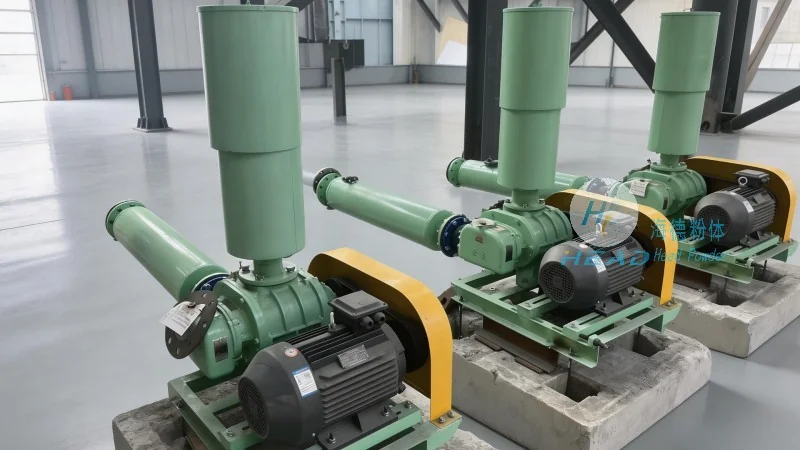
Comparison of Positive and Negative Pressure Modes
When comparing the two modes, several factors come into play. Positive pressure systems are generally more suitable for short to medium-distance transport and high-volume applications, where the ability to handle abrasive materials is crucial. They offer better control over flow rates and are less prone to blockages due to the continuous pressure. On the other hand, negative pressure systems excel in scenarios requiring long-distance transport or where the material is fine and low-density, as they consume less energy and are more cost-effective for such applications. The choice between the two depends on the specific characteristics of the tailings, the distance to be covered, and the operational requirements of the mining site. For instance, a mine with high-density tailings and short pipelines might opt for a positive pressure system, while a site with fine particles and long transport distances might prefer a negative pressure approach.
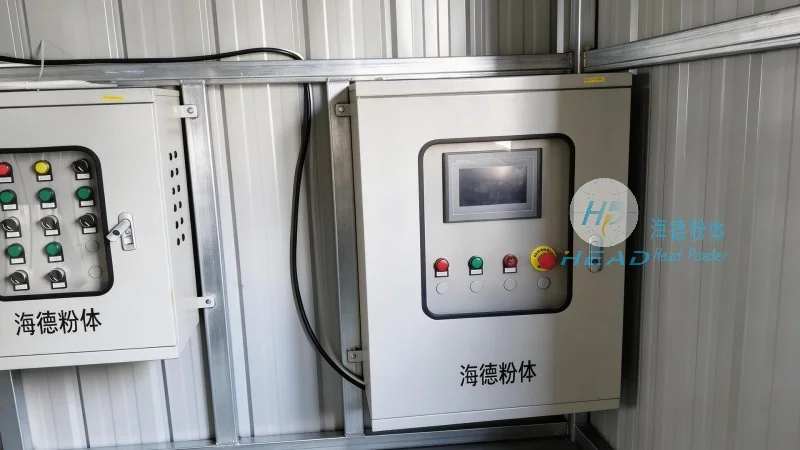
About HeadPowder: Shandong HeadPowder Engineering Co., Ltd.
HeadPowder, or Shandong HeadPowder Engineering Co., Ltd., is a leading provider of advanced pneumatic conveying solutions tailored for the mining industry. With a focus on innovation and reliability, the company specializes in designing and manufacturing systems that meet the unique challenges of tailings management. HeadPowder's expertise lies in customizing solutions to match the specific needs of clients, ensuring efficient and safe material handling. The company's facilities are located in Shandong, China, where it leverages local resources and expertise to deliver high-quality products and services. By combining technical knowledge with practical experience, HeadPowder aims to enhance the operational efficiency of mining operations while adhering to environmental standards.