

Technical Analysis of Coconut Shell Powder Pneumatic Conveying Systems: Comparison of Positive and N
Pneumatic conveying systems are critical in the processing and handling of coconut shell powder, a material widely used in various industrial applications such as filtration, adsorption, and as a raw material in the production of activated carbon. These systems utilize air or gas to transport bulk materials like coconut shell powder from one location to another, offering a dust-free, efficient, and flexible solution compared to traditional mechanical conveying methods. For industries dealing with coconut shell powder, selecting the appropriate pneumatic conveying mode is essential to ensure optimal performance, material integrity, and operational efficiency.
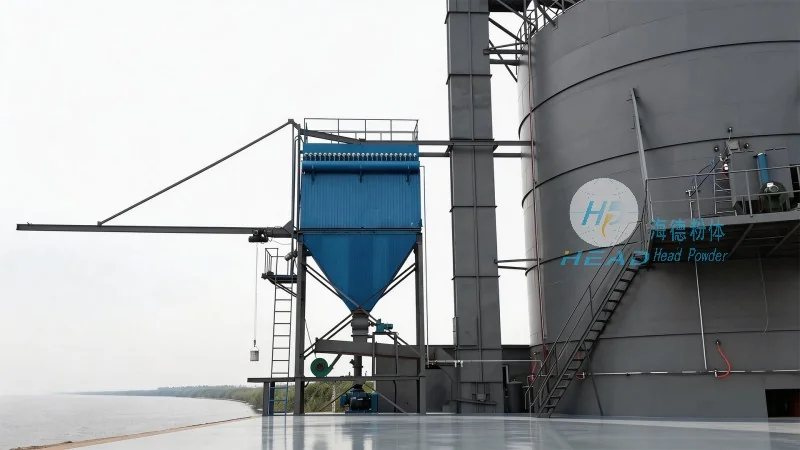
Company Profile: Shandong HeadPowder Engineering Co., Ltd.
HeadPowder, a leading engineering company based in Shandong, China, specializes in the design, manufacturing, and installation of advanced pneumatic conveying systems tailored to the unique needs of the coconut shell powder industry. With years of experience in material handling solutions, HeadPowder provides comprehensive services, including system design, equipment supply, and technical support, to help clients achieve reliable and cost-effective material transport. The company's commitment to innovation and quality ensures that its solutions meet the highest industry standards, making it a trusted partner for businesses in the coconut shell processing sector.
Technical Overview of Pneumatic Conveying Systems
Pneumatic conveying systems operate on the principle of using air or gas to create a flow that moves bulk materials through a pipeline. The two primary modes of operation are positive pressure and negative pressure, each with distinct characteristics and applications. Positive pressure systems force air and material through the pipeline using a positive pressure blower, while negative pressure systems draw material into the pipeline using a vacuum. The choice between these modes depends on factors such as material properties, distance, and system layout.
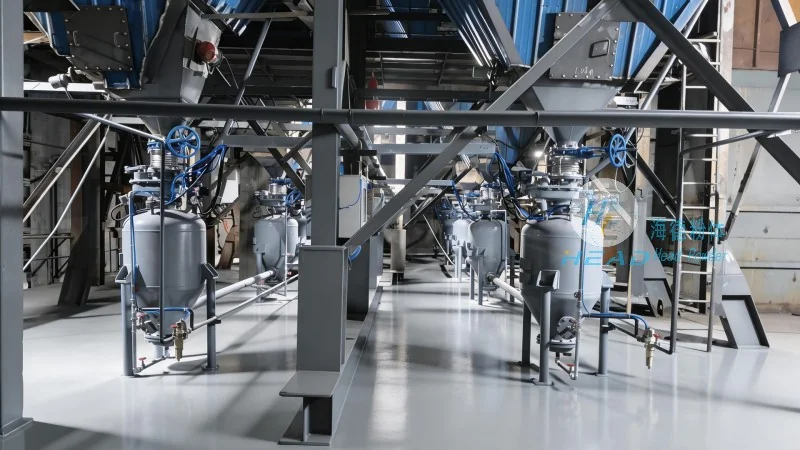
Positive Pressure Conveying Mode: Advantages and Applications
Positive pressure conveying, also known as pressure conveying, involves blowing air and material through the conveying line. This mode is particularly suitable for conveying materials over longer distances and through complex system layouts. Key advantages of positive pressure systems include high conveying capacity, ability to handle abrasive materials like coconut shell powder, and reduced risk of material degradation due to minimal contact with system components. Additionally, positive pressure systems are generally easier to install and maintain, as they do not require complex vacuum equipment. For coconut shell powder, positive pressure systems are often used in large-scale processing plants where material needs to be transported from multiple sources to a central processing unit.
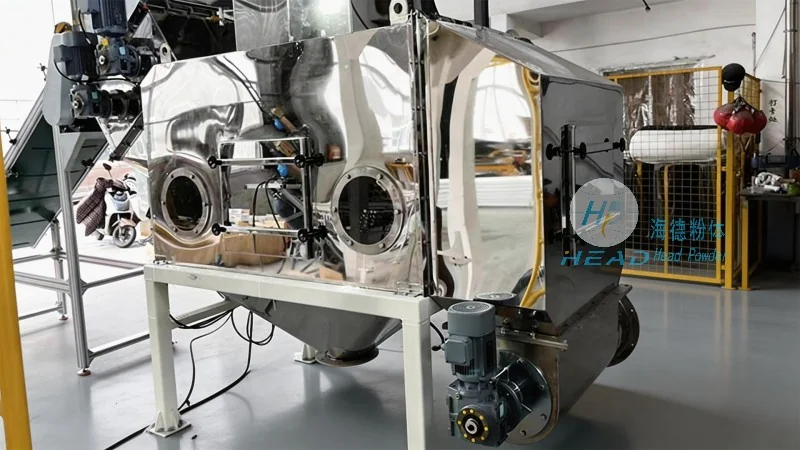
Negative Pressure Conveying Mode: Advantages and Applications
Negative pressure conveying, or vacuum conveying, operates by creating a vacuum in the conveying line to draw material from the source into the system. This mode is ideal for short to medium distance conveying and applications where dust control is a priority. Negative pressure systems are particularly effective for handling fine powders like coconut shell powder, as they minimize particle breakage and maintain material integrity. Another advantage is that negative pressure systems can handle materials with higher moisture content or those that are prone to caking, as the vacuum helps to break up agglomerates. However, negative pressure systems may have lower conveying capacities compared to positive pressure systems and require more careful maintenance to prevent dust leakage and system contamination.
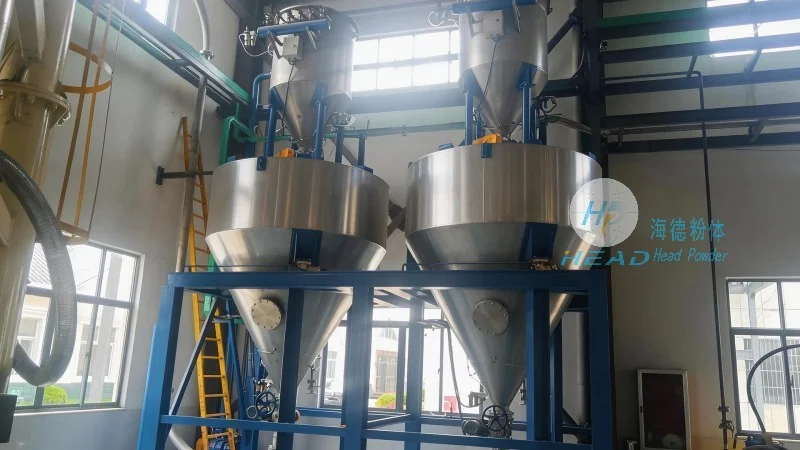
Comparative Analysis of Positive vs. Negative Pressure Conveying for Coconut Shell Powder
When comparing positive and negative pressure conveying for coconut shell powder, several factors must be considered to determine the most suitable mode. Positive pressure systems offer higher conveying rates and are better suited for long-distance transport, making them ideal for large-scale industrial operations. They are also more robust and can handle the abrasive nature of coconut shell powder without significant wear on system components. On the other hand, negative pressure systems excel in applications where dust containment and material preservation are critical. They are often preferred for processing facilities where environmental regulations are stringent or where the material needs to be handled in a more controlled environment. The choice between the two modes ultimately depends on the specific requirements of the processing plant, including the distance between the source and destination, the volume of material to be conveyed, and the need for dust control or material integrity.
Practical Considerations and Recommendations for System Selection
Selecting the appropriate pneumatic conveying mode for coconut shell powder requires a thorough analysis of operational needs and material characteristics. HeadPowder recommends conducting a detailed assessment of the following factors: material properties (e.g., particle size, moisture content, abrasiveness), conveying distance and layout, required conveying capacity, and environmental regulations. For example, if the processing plant involves long-distance transport of large volumes of coconut shell powder, a positive pressure system may be the most efficient choice. Conversely, if the plant focuses on fine powder processing with strict dust control requirements, a negative pressure system may be more suitable. Additionally, integrating advanced control systems and monitoring tools can enhance the performance and reliability of the pneumatic conveying system, ensuring consistent material transport and minimizing downtime.