

Principle and Classification Application of Pneumatic Conveying for Lithium-Ion Battery Positive and
HeadPowder, a leading engineering company based in Shandong, China, specializes in the design and implementation of pneumatic conveying systems tailored for lithium-ion battery electrode materials. This article provides an in-depth exploration of the working principles and classification applications of pneumatic conveying technology in the battery material processing industry.
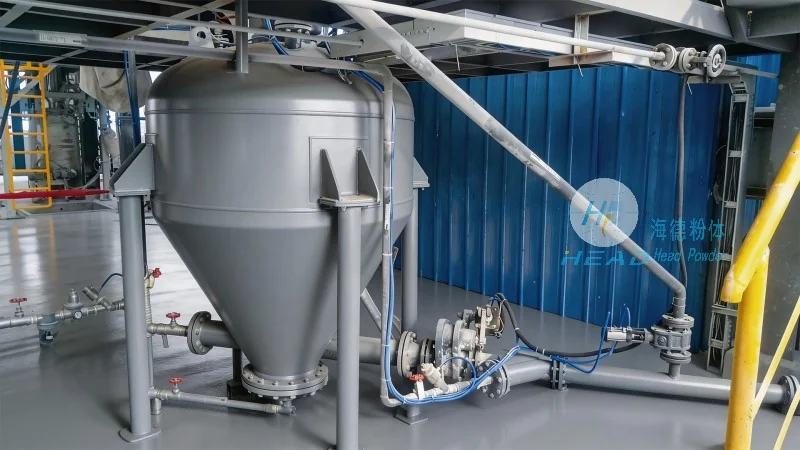
Understanding Pneumatic Conveying: Core Principles
Pneumatic conveying is a method of transporting bulk materials through a pipeline using a gas stream, typically air or other gases. In the context of lithium-ion battery manufacturing, this technology is crucial for efficiently handling fine powders such as cathode and anode active materials. The fundamental principle involves creating a pressure differential within the conveying system to move materials from a source to a destination. There are two primary types of pneumatic conveying systems: positive pressure and negative pressure (or vacuum) systems. Positive pressure systems generate air pressure at the material source, pushing the material through the pipeline, while negative pressure systems create a vacuum at the destination, drawing material from the source. Each type has distinct advantages and is selected based on factors like material properties, system layout, and operational requirements.
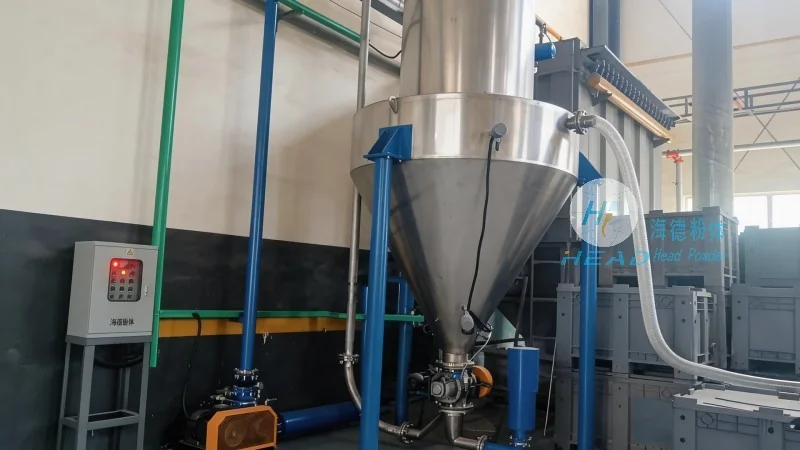
Classification of Pneumatic Conveying Systems for Battery Materials
For lithium-ion battery electrode materials, pneumatic conveying systems are categorized based on their operating pressure and material handling characteristics. The main classifications include:
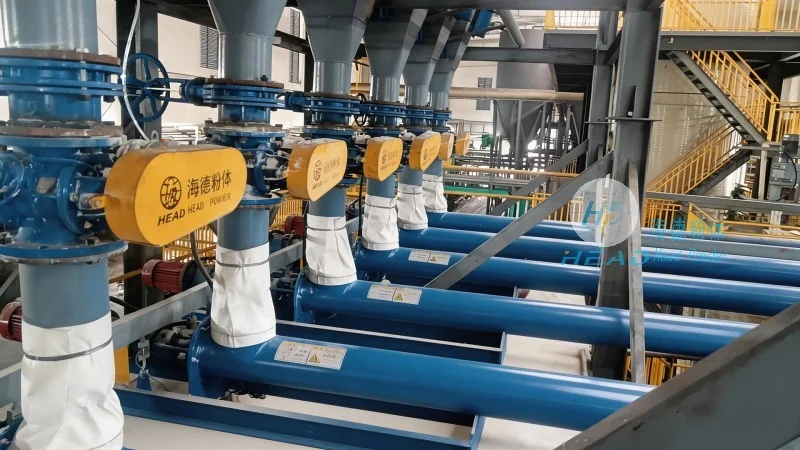
- Trunk Line Systems: These are high-capacity systems used for long-distance transport of large volumes of material. They are suitable for bulk material transfer between processing units, such as from raw material storage to mixing and coating lines.
- Dilute Phase Systems: Operated at relatively low pressure, these systems are ideal for fine powders with low dusting potential. They use high-velocity air to suspend and transport material, minimizing particle degradation and ensuring consistent flow.
- Entrained Flow Systems: These systems operate at higher pressure and velocity, suitable for handling abrasive or cohesive materials. They are effective for short to medium distance transport and can handle materials with higher moisture content or stickiness.
- Pressure-Reducing Systems: A hybrid approach that combines elements of both positive and negative pressure systems, these are used for applications requiring both material transport and pressure control, such as in closed-loop systems.
Application Scenarios in Lithium-Ion Battery Manufacturing
The application of pneumatic conveying in lithium-ion battery production varies across different stages of material processing. For instance, in the cathode material preparation, positive pressure dilute phase systems are commonly used to transport active materials like lithium cobalt oxide (LCO) or lithium iron phosphate (LFP) from storage silos to mixing equipment. The anode material, often graphite or silicon-based powders, is similarly handled using tailored pneumatic conveying solutions to ensure uniformity and prevent agglomeration. During the coating and slurry preparation stages, precise control of material flow is critical to maintain the quality of the electrode slurry. Pneumatic conveying systems enable this by providing consistent material feed rates, which directly impacts the performance and consistency of the final battery cells.
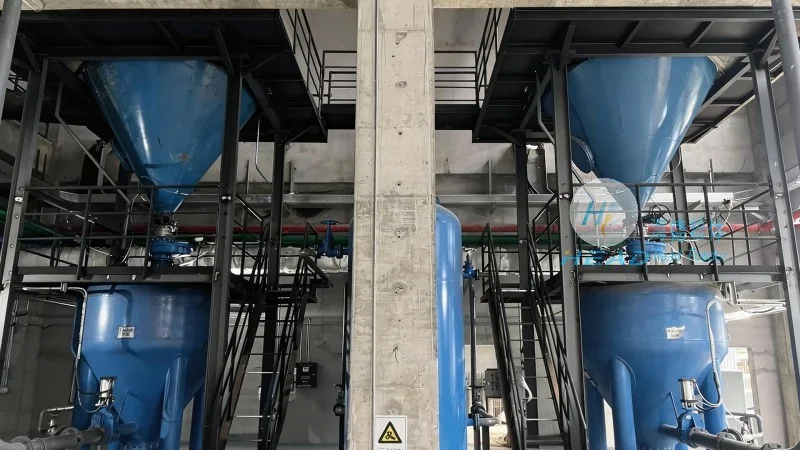
Key Considerations for System Design and Implementation
When designing a pneumatic conveying system for lithium-ion battery materials, several factors must be considered to ensure optimal performance and reliability. Material properties, such as particle size, density, and moisture content, are primary determinants. For example, fine powders with high moisture content may require specialized equipment to prevent caking or blockages. The system layout, including the number of transfer points and the length of the conveying line, also influences the choice of system type. Additionally, energy efficiency and maintenance requirements are critical considerations for long-term operational costs. HeadPowder, with its expertise in material handling engineering, offers customized solutions that address these factors, ensuring that the selected pneumatic conveying system meets the specific needs of the battery manufacturing process.