

[Polyvinylidene Chloride Pneumatic Conveying: Working Principles and Application Categories]
For industrial applications involving the handling of polyvinylidene chloride (PVCF) materials, efficient and reliable material transport is crucial. Pneumatic conveying systems offer a versatile solution for moving PVCF powders and granules across production facilities. This article explores the fundamental working principles of PVCF pneumatic conveying and categorizes its various applications, providing insights into how these systems enhance operational efficiency and material handling capabilities.
Pneumatic Conveying Basics for Polyvinylidene Chloride
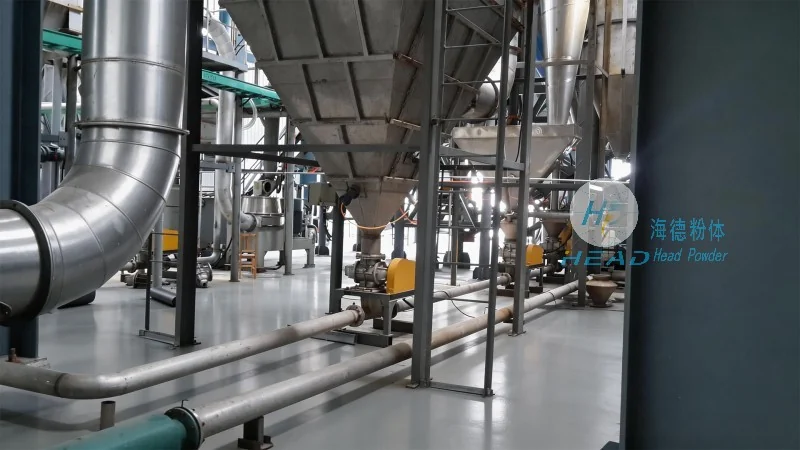
Pneumatic conveying systems utilize compressed air or other gases to transport bulk materials like PVCF through a network of pipes. The core principle involves creating a pressure differential that propels the material along the conveying line. In PVCF applications, this method is particularly effective due to the material's properties, such as its low moisture sensitivity and resistance to chemical degradation. The system typically consists of a material feed hopper, a conveyor line, and a discharge mechanism, with air being introduced at specific points to maintain flow and prevent material settling.
Types of Pneumatic Conveying Systems for PVCF
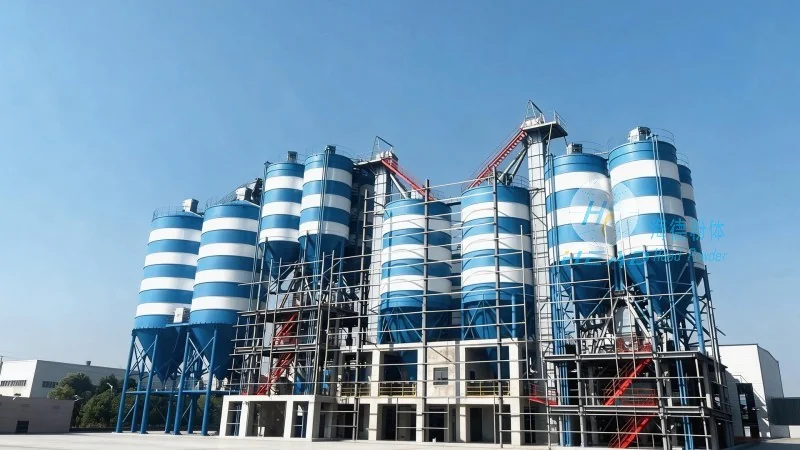
There are several categories of pneumatic conveying systems, each suited to different operational requirements and material characteristics. For PVCF, the most common types include dilute-phase and dense-phase systems. Dilute-phase systems operate at low material-to-air ratios, using high-velocity air to transport material over long distances. Dense-phase systems, on the other hand, use lower air velocities and higher material concentrations, which is beneficial for handling PVCF with higher bulk densities or when precise control over material flow is required. The choice between these systems depends on factors such as the distance to be covered, the required material flow rate, and the need for minimal product degradation.

Application Categories of PVCF Pneumatic Conveying
PVCF pneumatic conveying finds widespread use across multiple industrial sectors, including chemical manufacturing, pharmaceuticals, and specialty materials processing. In chemical production, these systems are employed to transport PVCF powders from storage silos to processing units, ensuring a continuous and controlled supply of raw material. The pharmaceutical industry utilizes PVCF pneumatic conveying for handling high-purity PVCF, where maintaining material integrity and preventing contamination is paramount. Additionally, in specialty materials processing, the systems are used for transferring PVCF into mixing or compounding equipment, facilitating the production of advanced polymer products.
Operational Considerations and Best Practices
When implementing PVCF pneumatic conveying systems, several operational considerations are essential to ensure optimal performance and longevity. Proper air pressure and flow rate management is critical to maintain consistent material transport without causing excessive wear on system components. Regular maintenance of the conveying line, including cleaning and inspection of filters and valves, is necessary to prevent blockages and maintain system efficiency. Additionally, the design of the material feed hopper and discharge mechanism must be tailored to the specific properties of PVCF, such as its flowability and tendency to agglomerate, to ensure smooth and uninterrupted operation.
Conclusion and Company Overview
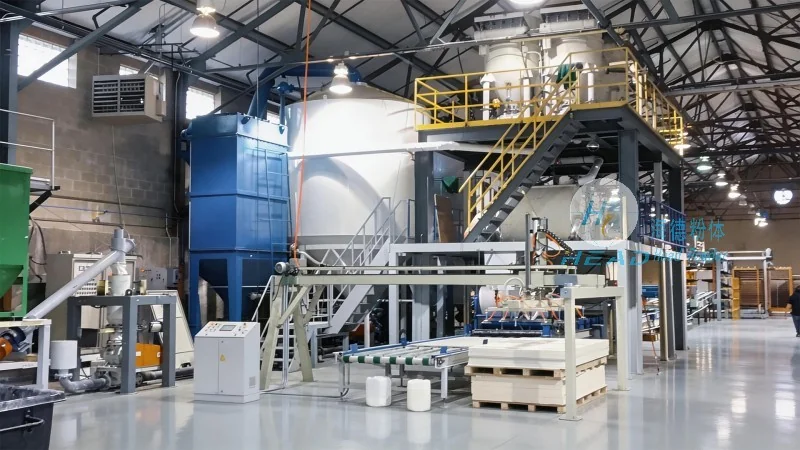
Pneumatic conveying systems represent a robust and efficient method for handling polyvinylidene chloride materials, offering advantages in terms of flexibility, cleanliness, and reduced labor costs. By understanding the working principles and application categories of these systems, industries can optimize their material handling processes and enhance overall productivity. Shandong HeadPowder Engineering Co., Ltd., a leading provider of material handling solutions, specializes in designing and manufacturing customized pneumatic conveying systems tailored to the unique needs of PVCF applications. With a focus on quality and innovation, the company serves clients across China and beyond, delivering reliable and efficient solutions for industrial material transport. HeadPowder's expertise in pneumatic conveying technology ensures that PVCF materials are handled safely and effectively, supporting the success of various industrial operations.