

[Methylcellulose Pneumatic Conveying: Working Principles and Classification Applications]
HeadPowder, a leading provider in the field of material handling solutions, specializes in the efficient and effective pneumatic conveying of methylcellulose. This article delves into the fundamental working principles of methylcellulose pneumatic conveying systems and explores the diverse classification applications that make this technology indispensable in various industrial settings. With a focus on technical accuracy and practical implementation, we aim to provide a comprehensive understanding of how methylcellulose is handled through pneumatic means, catering to the needs of industries that rely on this versatile polymer.
Company Overview and Background
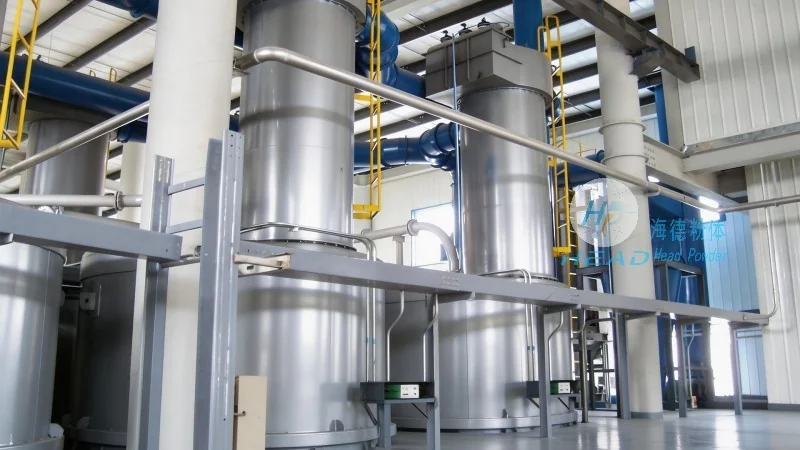
Shandong HeadPowder Engineering Co., Ltd., based in China, is dedicated to advancing material handling technologies. The company's expertise lies in designing, manufacturing, and implementing pneumatic conveying systems tailored to the unique requirements of various industries. By leveraging years of experience and a commitment to innovation, HeadPowder ensures that clients receive reliable and efficient solutions for transporting materials like methylcellulose, which is widely used in pharmaceuticals, food processing, and other sectors due to its excellent film-forming and thickening properties.
Understanding Pneumatic Conveying Systems
Pneumatic conveying, also known as air conveying, is a method of transporting bulk materials through a pipeline using a moving gas stream, typically air. The process involves creating a pressure differential between the inlet and outlet of the system, which propels the material forward. In the case of methylcellulose, a fine powder or granular material, the system must be designed to handle its specific characteristics, such as its flowability and potential for agglomeration. The choice of conveying system—whether it's a pressure or vacuum system—depends on the material's properties and the distance it needs to be transported.
Working Principles of Methylcellulose Pneumatic Conveying
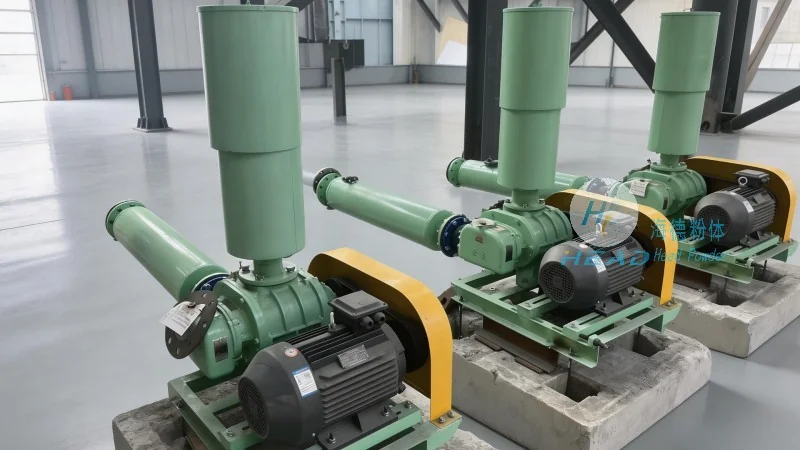
The core principle of methylcellulose pneumatic conveying is the interaction between the solid particles (methylcellulose) and the air stream. When the air is introduced into the conveying line at a sufficient velocity, it creates a drag force that lifts and transports the particles. The system typically consists of a feeding device, a conveying line, a separation unit, and a collection tank. The feeding device ensures a consistent flow of methylcellulose into the system, while the conveying line maintains the necessary air pressure or vacuum to move the material. The separation unit, often a cyclone or a filter, separates the air from the material, allowing the methylcellulose to be collected for further processing. The efficiency of the system depends on factors like air velocity, particle size, and the system's pressure differential.
Classification of Methylcellulose Pneumatic Conveying Systems
Methylcellulose pneumatic conveying systems can be classified based on several criteria, including the type of air flow, the pressure level, and the system's configuration. The primary classifications are pressure systems and vacuum systems. Pressure systems operate by forcing air into the conveying line, creating a positive pressure that pushes the material forward. These systems are suitable for short to medium distances and are commonly used in industries where the material needs to be transported from a central storage to a processing unit. Vacuum systems, on the other hand, create a negative pressure at the inlet, drawing the material and air into the system. This type of system is ideal for long-distance transport or when the material needs to be collected from multiple points.
Application Categories and Industrial Uses
The classification of methylcellulose pneumatic conveying systems directly impacts their application in various industries. For instance, low-pressure systems are often used in pharmaceutical manufacturing, where the material needs to be handled gently to avoid contamination or degradation. These systems typically operate at pressures below 1 bar and are designed to maintain a clean environment. High-pressure systems, conversely, are used in food processing and chemical industries, where the material may be more abrasive or require higher throughput. The choice of system classification is also influenced by the specific properties of methylcellulose, such as its moisture content and particle size distribution, which affect its flow characteristics and the system's efficiency.
Key Considerations for Effective Methylcellulose Handling
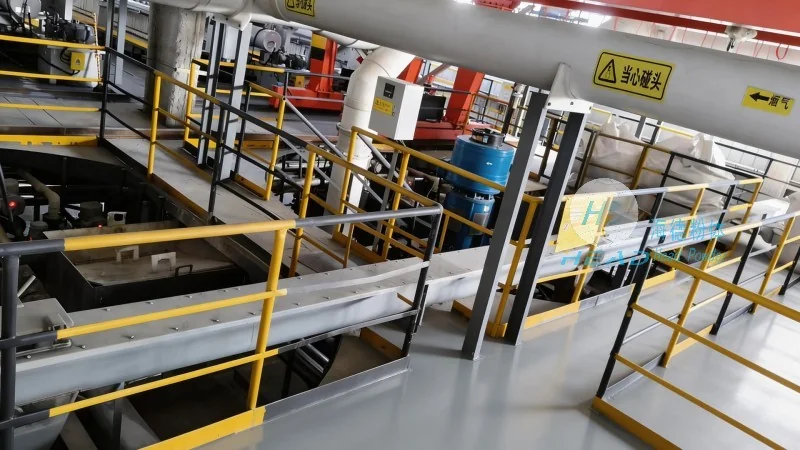
When implementing a methylcellulose pneumatic conveying system, several factors must be considered to ensure optimal performance. First, the material's physical properties, including its density, particle size, and moisture content, play a crucial role in determining the system's design. Methylcellulose, being a fine powder, may tend to agglomerate, which can affect the system's efficiency. Therefore, measures such as adding a fluidizing agent or using a pre-drying step may be necessary to improve flowability. Second, the system's pressure and air velocity must be carefully calibrated to prevent material degradation or system damage. High air velocities can cause wear on the conveying line and reduce the system's lifespan, while low velocities may lead to blockages. Third, the selection of components, such as the feeding device and separation unit, must be compatible with the material's properties. For example, a rotary valve may be preferred over a screw feeder to avoid clogging in the case of fine powders like methylcellulose.
Conclusion and Future Outlook
Methylcellulose pneumatic conveying is a sophisticated technology that enables the efficient and safe transport of this versatile polymer in various industrial applications. By understanding the working principles and classification applications of these systems, industries can optimize their material handling processes, reduce operational costs, and enhance product quality. As technology advances, the integration of automation and control systems in pneumatic conveying equipment will further improve efficiency and reliability. With the expertise of companies like Shandong HeadPowder Engineering Co., Ltd., the future of methylcellulose handling through pneumatic means looks promising, offering sustainable and effective solutions for the evolving needs of industries worldwide.