

Design of a Starch Pneumatic Conveying System
Shandong HeadPowder Engineering Co., Ltd., a leading manufacturer based in Shandong, China, specializes in the design and production of advanced pneumatic conveying systems tailored for the starch processing industry. This article provides a detailed overview of the design principles and key features of a starch pneumatic conveying system, highlighting the engineering solutions offered by HeadPowder to enhance efficiency and reliability in starch handling operations.
Introduction to Starch Pneumatic Conveying Systems
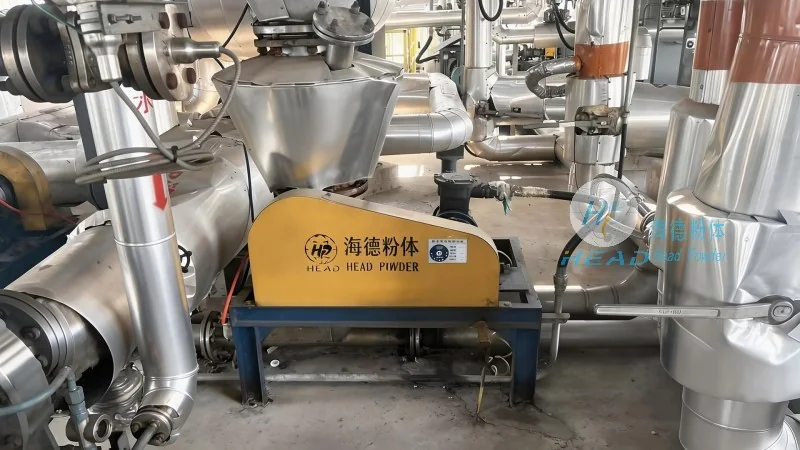
A starch pneumatic conveying system is a critical component in modern starch processing facilities, enabling the safe and efficient transport of starch powders from storage silos to processing units, packaging lines, or other destinations within the plant. The system operates on the principle of air movement, where a stream of air is used to lift, transport, and deposit the starch material through a network of pipes and equipment. This method offers several advantages over traditional mechanical conveying systems, including reduced equipment wear, lower maintenance costs, and the ability to handle fine powders without the risk of clogging or contamination.
Key Design Considerations for Starch Pneumatic Conveying
The design of a starch pneumatic conveying system involves careful consideration of multiple factors to ensure optimal performance and durability. First, the system must be tailored to the specific characteristics of the starch being handled, such as particle size, moisture content, and bulk density. These parameters influence the air velocity required for effective transport and the selection of appropriate equipment components like feeders, cyclones, and filters. Additionally, the system's layout must be optimized to minimize pressure drops and energy consumption, which are crucial for maintaining cost-effectiveness and operational efficiency.
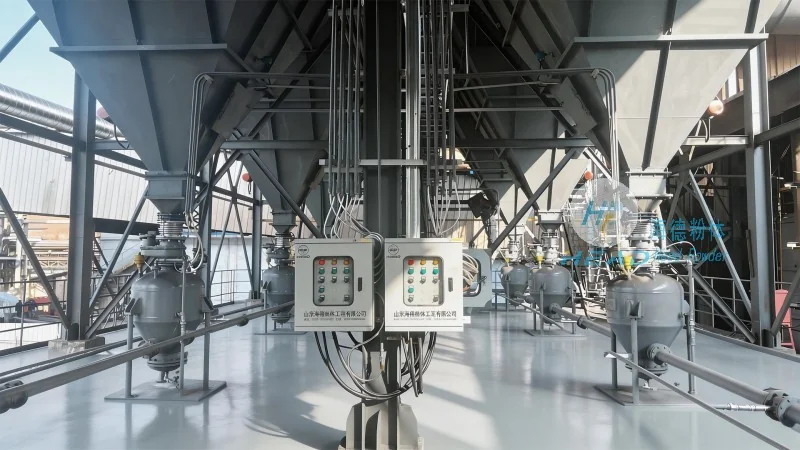
Another critical design aspect is the selection of the conveying method—whether it is a positive pressure system (where air is forced through the system) or a negative pressure system (where air is drawn out). Positive pressure systems are often preferred for starch handling due to their ability to handle fine powders and prevent dust emissions, while negative pressure systems may be used in applications where dust control is a priority. The choice of system type also impacts the overall cost and complexity of the installation.
Components and Functionality of the Starch Pneumatic Conveying System
The starch pneumatic conveying system typically consists of several key components, each playing a vital role in the overall operation. The primary components include a material feeder, which ensures a consistent and controlled flow of starch into the system; a blower or fan, which generates the necessary air pressure to move the material; a conveying line, which transports the starch from the feeder to the destination; and a separator or cyclone, which separates the starch from the air stream and returns the air to the system for reuse. Additionally, the system may include filters to capture any residual starch particles and prevent contamination, as well as control valves to regulate air flow and pressure.
The material feeder is a critical component, as it must handle the starch without causing bridging or agglomeration, which can lead to uneven flow and system inefficiencies. Various types of feeders are available, including rotary valves, screw feeders, and vibratory feeders, each suited to different starch characteristics and flow rates. The blower or fan is selected based on the required air volume and pressure, ensuring that the system can maintain the necessary velocity to transport the starch through the conveying line without excessive energy consumption.
Advantages of the Starch Pneumatic Conveying System
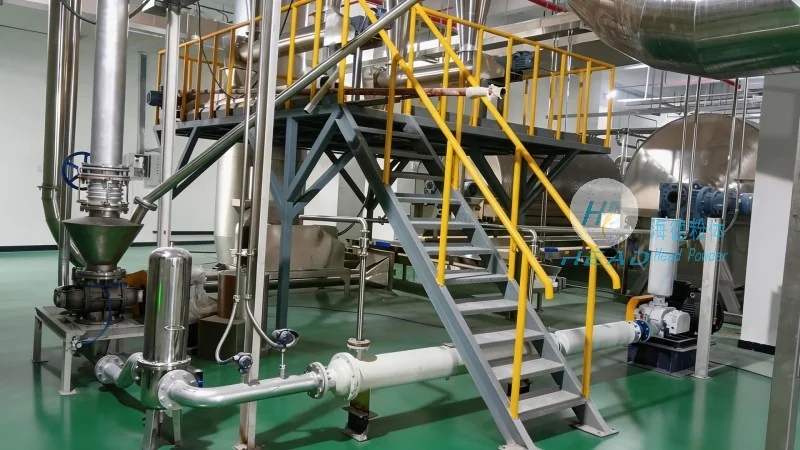
Implementing a starch pneumatic conveying system offers numerous benefits for starch processing facilities. One of the most significant advantages is the reduction in labor costs and operational time, as the system automates the material handling process, minimizing the need for manual intervention. Additionally, the system enhances safety by eliminating the need for manual handling of fine powders, which can pose respiratory and inhalation risks. The enclosed design of the system also prevents dust emissions, contributing to a cleaner and more environmentally friendly operation.
From an efficiency standpoint, the starch pneumatic conveying system is highly effective in reducing material loss and improving throughput. By maintaining consistent air velocity and pressure, the system ensures that starch is transported with minimal degradation, preserving its quality and reducing waste. The system's ability to handle fine powders without clogging also minimizes downtime and maintenance requirements, leading to lower overall operational costs.
Application Examples and Case Studies
HeadPowder's starch pneumatic conveying systems have been successfully implemented in various starch processing applications, including corn starch, potato starch, and tapioca starch production. For instance, a corn starch processing plant in Shandong, China, adopted a positive pressure system designed by HeadPowder to transport fine corn starch from storage silos to the milling and refining units. The system was configured with a rotary valve feeder, a high-efficiency blower, and a cyclone separator, achieving a conveying capacity of 50 tons per hour with minimal pressure drop. The plant reported a 20% reduction in energy consumption and a 15% decrease in maintenance costs after the installation.
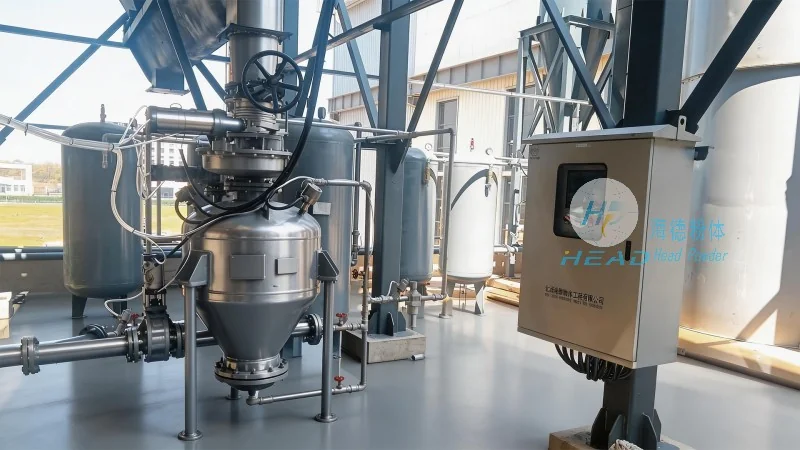
Another successful application was in a potato starch processing facility, where a negative pressure system was used to transport starch from the dewatering stage to the drying and packaging lines. The system's enclosed design effectively controlled dust emissions, meeting the plant's environmental compliance requirements. The facility experienced improved product quality due to the reduced exposure of starch to air and moisture during transport, resulting in higher market value for the final product.
Conclusion and Future Developments
In conclusion, the design of a starch pneumatic conveying system by Shandong HeadPowder Engineering Co., Ltd. represents a sophisticated solution for efficient starch handling in modern processing facilities. By integrating advanced engineering principles and tailored components, the system addresses the unique challenges of starch transport, offering benefits such as enhanced efficiency, improved safety, and reduced operational costs. As the starch processing industry continues to evolve, HeadPowder remains committed to developing innovative solutions that meet the changing needs of its clients, ensuring that starch pneumatic conveying systems remain a reliable and effective choice for starch handling operations worldwide.