

Design of Zircon Sand Pneumatic Conveying Equipment
Shandong HeadPowder Engineering Co., Ltd., commonly known as headpowder, specializes in the design and manufacturing of advanced pneumatic conveying systems tailored for industrial applications. With a focus on precision engineering and material handling efficiency, the company has developed innovative solutions for transporting zircon sand and other fine powders. This article explores the design principles and technical considerations behind their zircon sand pneumatic conveying equipment, highlighting key features that enhance performance and reliability.
Key Design Considerations for Zircon Sand Pneumatic Conveying Systems
The design of zircon sand pneumatic conveying equipment involves several critical factors to ensure optimal performance, especially when handling fine, abrasive materials like zircon sand. The system must be engineered to maintain consistent flow rates, minimize material degradation, and prevent blockages or clogging. At headpowder, engineers consider the specific properties of zircon sand, such as particle size distribution, density, and moisture content, to select appropriate conveying velocities and pressure levels. The choice of materials for components like pipelines, valves, and pumps is also crucial, as zircon sand can be abrasive and corrosive under certain conditions. Stainless steel and high-grade alloys are commonly used to withstand wear and maintain hygiene standards, ensuring the equipment remains durable and efficient over long operational periods.
Components and Functionality of the Pneumatic Conveying System
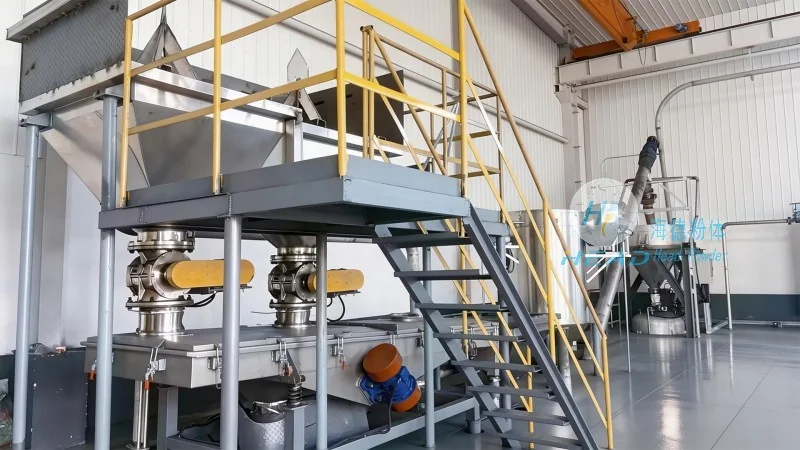
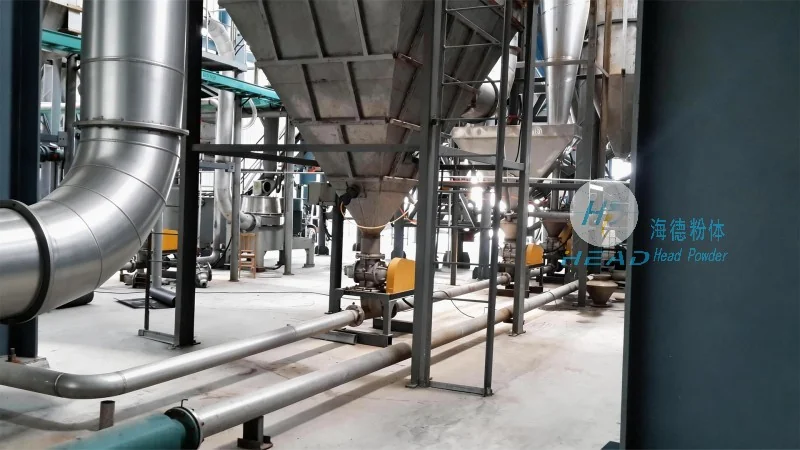
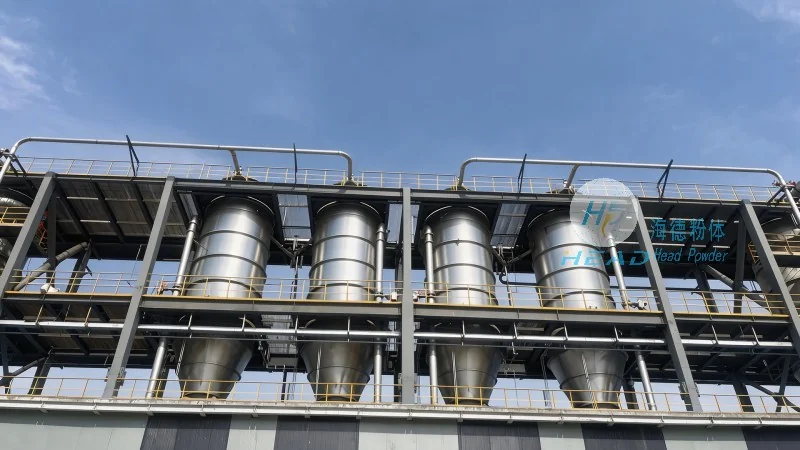
The zircon sand pneumatic conveying system typically consists of several interconnected components, each playing a vital role in the material transport process. The primary elements include a hopper for material storage, a feeder to control the flow rate, a conveying line (often equipped with bends and straight sections), and a receiver for the discharged material. The system operates by creating a pressure differential using a blower or compressor, which draws the zircon sand from the hopper and propels it through the pipeline using air. The design of the hopper and feeder is critical to prevent material bridging or segregation, which can disrupt the flow. The conveying line is designed with appropriate diameters and angles to minimize pressure drop and energy consumption. Additionally, the system may include filters and cyclones to separate the conveyed material from the air, ensuring clean discharge and reducing maintenance requirements. The receiver is equipped with a discharge valve to control the release of zircon sand into the next processing stage, maintaining a smooth and controlled flow.
Performance Advantages and Benefits
Headpowder's zircon sand pneumatic conveying equipment offers several advantages over traditional mechanical conveying methods. The primary benefit is the ability to transport materials over long distances without the need for intermediate transfer points, reducing the risk of contamination and material loss. The system is also highly flexible, allowing for changes in flow rate or direction without significant modifications. Additionally, pneumatic conveying can handle materials with a wide range of particle sizes and moisture contents, making it suitable for various industrial applications. The design minimizes material degradation, as the particles are not subjected to excessive friction or impact during transport. This is particularly important for zircon sand, which is often used in high-value applications such as ceramics and refractory materials, where particle integrity is critical. The system also reduces labor costs and operational downtime, as it eliminates the need for manual handling and reduces maintenance requirements due to its robust construction. Furthermore, the use of air as the conveying medium allows for easy integration with other processing equipment, enhancing overall plant efficiency.
Industrial Applications and Use Cases
The zircon sand pneumatic conveying equipment from headpowder is widely used in industries that require the handling of fine powders, including ceramics, refractory materials, and chemical processing. In the ceramics industry, zircon sand is used as a raw material for glazes and body formulations, and the conveying system ensures a consistent supply of high-quality material to production lines. The system's ability to maintain particle integrity and prevent contamination is essential for achieving uniform product quality. In refractory manufacturing, zircon sand is used to produce high-temperature resistant materials, and the pneumatic conveying system ensures efficient transport from storage to mixing and molding processes. The equipment is also used in chemical processing plants, where zircon sand may be used as a filler or additive in various products. The system's flexibility and adaptability make it suitable for a wide range of applications, from small-scale operations to large industrial facilities. Headpowder's expertise in customizing the design to meet specific customer requirements ensures that the equipment is optimized for each application, maximizing performance and efficiency.
Maintenance and Reliability
Ensuring the long-term performance and reliability of the zircon sand pneumatic conveying system is a key consideration in its design. Headpowder incorporates several features to minimize maintenance requirements and extend the lifespan of the equipment. Regular maintenance procedures include checking the condition of components such as pipelines, valves, and filters, and replacing worn parts as needed. The use of high-quality materials and robust construction helps to reduce the frequency of repairs and extend the operational life of the system. The system is also designed with easy access points for maintenance, allowing for quick inspections and repairs without disrupting the entire operation. Additionally, the company provides comprehensive technical support and training to customers, ensuring that operators are equipped to handle routine maintenance tasks effectively. This approach helps to minimize downtime and maximize the overall efficiency of the conveying system. The reliability of the equipment is further enhanced by its ability to handle abrasive materials like zircon sand without significant wear, reducing the need for frequent component replacements.
Conclusion
Shandong HeadPowder Engineering Co., Ltd. has developed a sophisticated zircon sand pneumatic conveying equipment that addresses the unique challenges of handling fine, abrasive materials. The design incorporates advanced engineering principles and materials to ensure optimal performance, reliability, and efficiency. By considering the specific properties of zircon sand and the requirements of industrial applications, headpowder has created a system that meets the needs of various industries, from ceramics to refractory manufacturing. The equipment's ability to maintain particle integrity, minimize contamination, and reduce operational costs makes it a valuable asset for any facility handling zircon sand. With a focus on quality and customer satisfaction, headpowder continues to innovate and provide tailored solutions for material handling challenges, ensuring that their pneumatic conveying systems remain at the forefront of industrial technology.