

How to Prevent Pipeline Blockages in Pneumatic Conveying Systems for Cathode Material Transport? Key
For manufacturers and processors in the battery industry, efficiently transporting cathode materials is a critical step in production. Pneumatic conveying systems have become a popular choice due to their ability to handle fine powders and provide a closed-loop operation. However, one of the most common challenges in these systems is pipeline blockage, which can lead to production downtime, equipment damage, and material loss. Understanding how to prevent blockages and the key design parameters involved is essential for optimizing system performance and ensuring reliable operation.
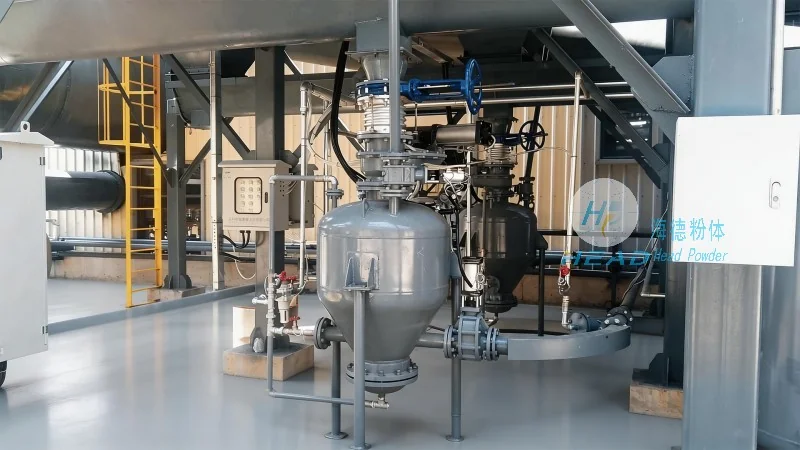
Understanding the Challenges of Cathode Material Pneumatic Conveying
Cathode materials, such as lithium cobalt oxide (LCO), lithium iron phosphate (LFP), and nickel manganese cobalt oxide (NMC), are typically fine powders with specific physical properties. These materials can be sensitive to moisture, temperature, and air flow, making them prone to agglomeration and caking when exposed to improper conditions. In pneumatic conveying, the material is transported through a pipeline using compressed air or other gas, which can create friction and pressure differentials that lead to blockages if not properly managed.
Key Design Parameters to Prevent Pipeline Blockages
Several critical design parameters must be considered when designing a pneumatic conveying system for cathode materials to minimize the risk of blockages. These parameters include:
1. **System Pressure and Flow Rate**: The pressure and flow rate of the conveying medium directly affect the material's velocity and the pressure drop along the pipeline. Higher pressure and appropriate flow rates can help maintain a consistent material velocity, reducing the likelihood of material settling and blockage. The design must ensure that the pressure is sufficient to overcome the resistance caused by the material's properties and pipeline length.
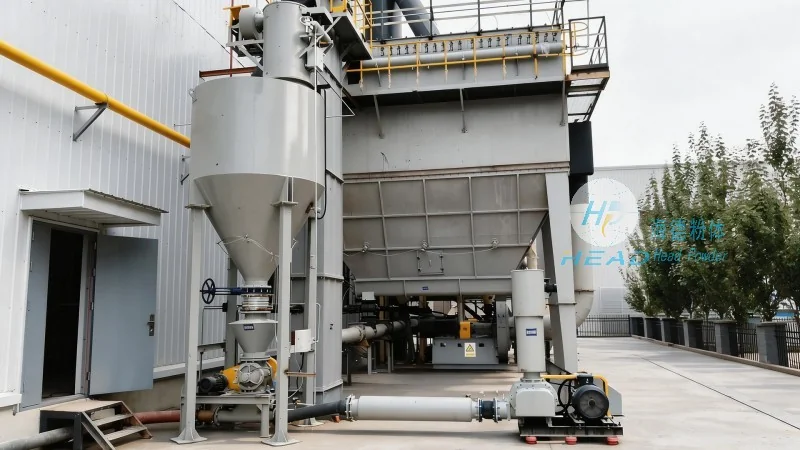
2. **Pipeline Diameter and Length**: The diameter of the conveying pipeline is a crucial factor. Larger diameters reduce friction and pressure loss, allowing for smoother material flow. However, excessively large diameters may increase system costs and energy consumption. The length of the pipeline also impacts the pressure drop; longer pipelines require higher pressure to maintain material transport. Proper sizing of both diameter and length is essential to balance efficiency and cost.
3. **Material Characteristics**: The physical properties of the cathode material, including particle size distribution, moisture content, and bulk density, significantly influence system performance. Materials with high moisture content or fine particles are more likely to agglomerate, increasing the risk of blockages. Understanding these characteristics allows for the selection of appropriate conveying methods (e.g., dilute phase vs. dense phase) and system configurations.
4. **Conveying Method (Dilute vs. Dense Phase)**: The choice between dilute phase and dense phase pneumatic conveying depends on the material's properties and the required transport distance. Dilute phase systems use low air-to-material ratios and are suitable for shorter distances and fine powders. Dense phase systems, on the other hand, use higher material concentrations and are ideal for longer distances and materials prone to caking. The selection of the appropriate method is critical to prevent blockages and ensure stable operation.
5. **Inlet and Outlet Design**: The design of the material inlet and outlet points can impact the flow dynamics within the system. Properly designed inlets and outlets help maintain a consistent material flow and prevent the formation of air pockets or material buildup at these points. Features such as funnel-shaped inlets and smooth transitions can reduce the risk of blockages by ensuring a uniform flow of material into the pipeline.
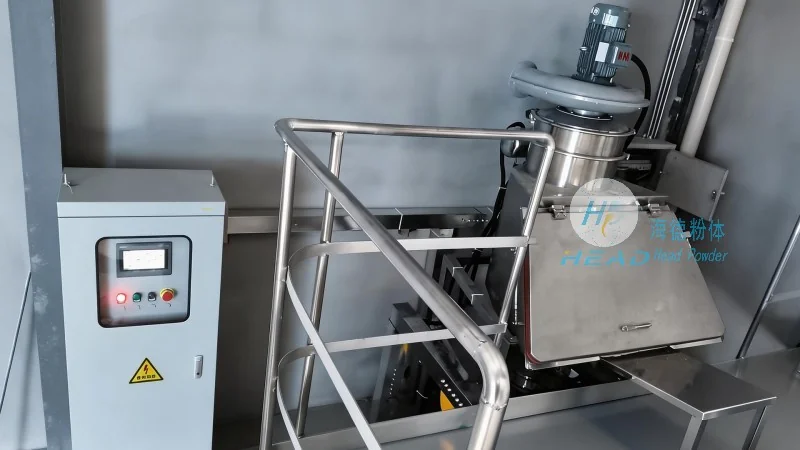
Role of HeadPowder in Optimizing Pneumatic Conveying Systems
Shandong HeadPowder Engineering Co., Ltd., a leading provider of powder handling solutions, specializes in designing and implementing pneumatic conveying systems tailored to the specific needs of the battery industry. With years of experience in handling cathode materials, HeadPowder understands the unique challenges associated with these powders and employs advanced engineering principles to prevent pipeline blockages.
HeadPowder's approach involves a comprehensive analysis of the material properties, process requirements, and operational conditions to determine the optimal system configuration. This includes selecting the right pressure levels, pipeline dimensions, and conveying method to ensure smooth material transport. The company also emphasizes the importance of regular maintenance and monitoring to detect potential issues early and prevent blockages before they occur.
By focusing on key design parameters and leveraging their expertise, HeadPowder helps clients in the battery industry achieve efficient, reliable, and cost-effective cathode material transport. Their solutions are designed to minimize downtime, reduce material loss, and enhance overall production efficiency, making them a trusted partner for companies looking to optimize their pneumatic conveying systems.