

How to Prevent Pipeline Blockages in Pneumatic Conveying Systems for Lightweight Aggregate Transport
For industries dealing with lightweight aggregates, the efficient and reliable operation of pneumatic conveying systems is crucial. However, a common challenge is the risk of pipeline blockages, which can halt production and increase maintenance costs. Understanding and implementing the right design parameters is essential to mitigate these risks and ensure smooth material transport. This article explores effective strategies to prevent blockages in pneumatic conveying systems specifically for lightweight aggregate transport, while highlighting key design considerations that contribute to system performance and longevity.
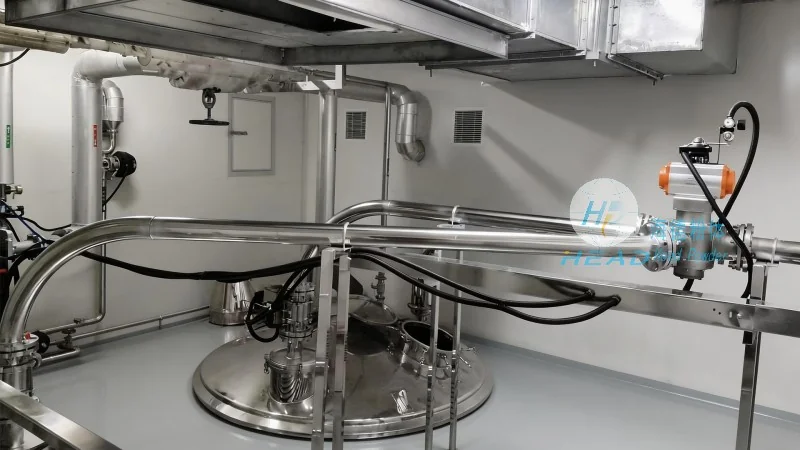
Understanding Pneumatic Conveying Systems for Lightweight Aggregates
Pneumatic conveying systems utilize air or gas to transport bulk materials through pipelines. In the case of lightweight aggregates, such as expanded clay, perlite, or vermiculite, the material's low density and high air resistance require specialized system design. The primary goal is to maintain a consistent flow of material without causing clogs or pressure surges that could damage equipment or reduce system efficiency. HeadPowder Engineering Co., Ltd., a leading provider of pneumatic conveying solutions, emphasizes the importance of tailored system configurations to address the unique characteristics of lightweight aggregates.
Key Design Parameters to Prevent Pipeline Blockages
Several critical design parameters play a pivotal role in preventing blockages in pneumatic conveying systems for lightweight aggregates. These parameters are carefully selected based on the material's properties, system layout, and operational requirements. The following sections outline the most significant factors to consider:
1. Air Velocity and Flow Rate
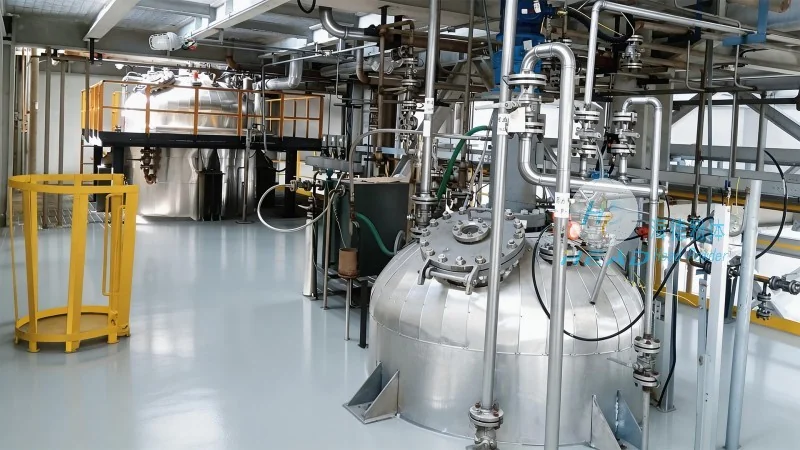
The air velocity within the conveying pipeline is a fundamental factor in preventing blockages. For lightweight aggregates, maintaining an appropriate air velocity ensures that the material is fully suspended and transported without settling or forming clumps. HeadPowder recommends operating at air velocities that are at least 1.5 to 2 times the minimum fluidization velocity of the material. This ensures that the material remains in a fluidized state, reducing the risk of particle accumulation and subsequent blockages. The flow rate, which is directly related to the air velocity, must be optimized to match the material's bulk density and particle size distribution. Insufficient flow rates can lead to material buildup, while excessive rates may cause excessive pressure drops and energy consumption.
2. Pipeline Diameter and Length
The diameter of the conveying pipeline is another critical parameter. Larger diameters reduce the risk of blockages by providing more space for material to flow, but they also increase system cost and energy consumption. Conversely, smaller diameters are more cost-effective but require higher air velocities to maintain material suspension. HeadPowder Engineering Co., Ltd. advises selecting a diameter that balances material flow capacity with energy efficiency. The length of the pipeline also impacts system performance; longer pipelines may require additional booster units or higher air pressure to maintain adequate velocity and prevent material settling. Properly sizing the pipeline diameter and length based on the material's characteristics and system layout is essential to avoid blockages and ensure consistent operation.
3. Pressure and Air Pressure Control
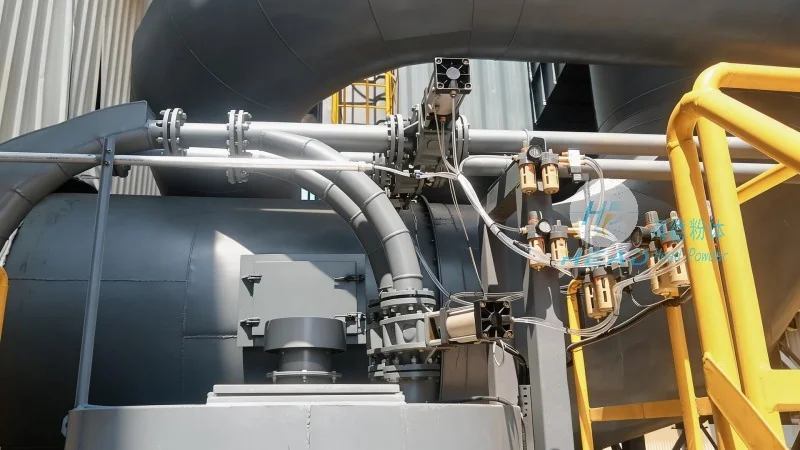
System pressure is a key design parameter that influences the ability to transport lightweight aggregates. Higher pressures allow for longer conveying distances and steeper inclines, but they also increase energy costs and the risk of equipment wear. HeadPowder recommends using pressure control systems to maintain a stable pressure within the pipeline, preventing sudden pressure drops that could cause material to settle and block the line. The use of pressure regulators and surge tanks helps to smooth out pressure fluctuations, ensuring consistent material flow. Additionally, the selection of appropriate air compressors and pressure vessels is crucial to maintain the required pressure levels without overloading the system. Proper pressure management is vital to prevent blockages caused by pressure surges or drops that disrupt the material's suspension.
4. Material Properties and Particle Size
The physical properties of the lightweight aggregate, such as particle size, shape, and bulk density, directly affect the design of the pneumatic conveying system. Coarser particles may require higher air velocities to remain suspended, while finer particles can lead to increased air resistance and the risk of clogging. HeadPowder Engineering Co., Ltd. emphasizes the need to analyze the material's particle size distribution and flow characteristics before designing the system. This analysis helps in determining the optimal air velocity, pipeline diameter, and pressure settings. For example, materials with high moisture content or cohesive properties may require additional measures, such as pre-drying or the use of additives, to improve flowability and prevent blockages. Understanding the material's behavior under different conditions allows for a more effective system design that minimizes the risk of blockages.
5. System Layout and Equipment Selection
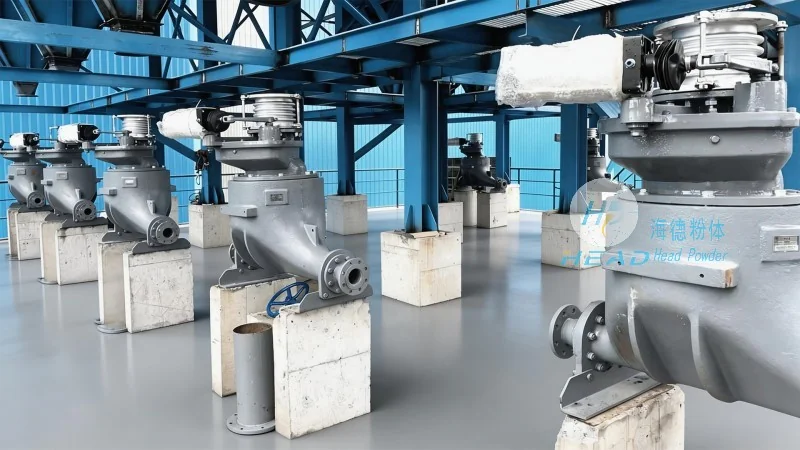
The overall layout of the pneumatic conveying system, including the placement of feeders, receivers, and bends, impacts the risk of blockages. Properly designed system layouts minimize the number of sharp bends and changes in direction, which can cause material to settle and accumulate. HeadPowder recommends using smooth, gradual bends and avoiding sharp turns that may trap particles. The selection of appropriate equipment, such as rotary valves, feeders, and receivers, is also critical. Rotary valves should be sized to match the material's flow rate and particle size, ensuring consistent material discharge without causing blockages. Receivers should be equipped with proper venting and pressure relief systems to prevent overpressure and material buildup. The use of inline filters and separators can also help to remove debris or moisture from the material, reducing the risk of clogging the system. A well-designed system layout and equipment selection are essential to maintain smooth material transport and prevent blockages.
Conclusion
Preventing pipeline blockages in pneumatic conveying systems for lightweight aggregates requires a comprehensive approach that considers multiple design parameters. By optimizing air velocity, pipeline diameter, pressure, material properties, and system layout, operators can significantly reduce the risk of blockages and ensure efficient material transport. HeadPowder Engineering Co., Ltd. provides expert guidance and tailored solutions to address the unique challenges of lightweight aggregate transport, helping industries maintain production continuity and minimize downtime. With the right design parameters and system configuration, pneumatic conveying systems can effectively handle lightweight aggregates while minimizing the risk of blockages, ensuring reliable and cost-effective material handling operations.