

How to Prevent Pipeline Blockages in Pneumatic Conveying Systems for Sawdust and Husk Transport? Key
When it comes to transporting materials like sawdust and husk, pneumatic conveying systems offer an efficient and reliable solution. However, one of the common challenges faced by operators is the risk of pipeline blockages, which can lead to operational disruptions and increased maintenance costs. Understanding the key design parameters that mitigate these risks is crucial for ensuring smooth and uninterrupted material transport. This article explores effective strategies and essential design considerations for preventing blockages in pneumatic conveying systems used for sawdust and husk transport, with insights from industry experts at Shandong HeadPowder Engineering Co., Ltd.
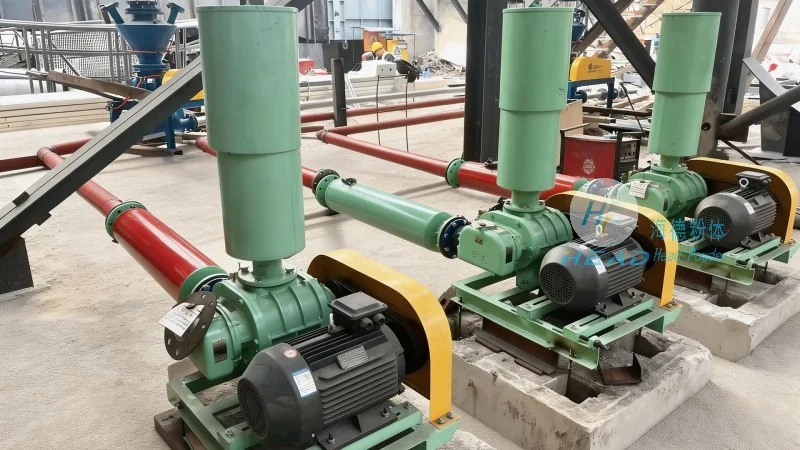
Understanding the Risks of Pipeline Blockages in Sawdust and Husk Transport
Pipeline blockages in pneumatic conveying systems for sawdust and husk can stem from various factors, including material properties, system design, and operational conditions. Sawdust and husk are typically light, fine, and often have high moisture content or irregular shapes, which can cause them to agglomerate or stick to the pipeline walls. This can lead to reduced airflow, increased pressure drops, and ultimately, complete system shutdown. Identifying the root causes of blockages is the first step toward implementing effective prevention strategies. For instance, the high moisture content in some sawdust can cause it to clump together, while the fibrous nature of husk can create friction that leads to buildup. These factors necessitate a tailored approach to system design and maintenance.
Key Design Parameters for Preventing Blockages in Pneumatic Conveying Systems
Several critical design parameters play a pivotal role in preventing pipeline blockages in pneumatic conveying systems for sawdust and husk. These parameters are carefully selected based on the material characteristics, system capacity, and operational requirements. The first parameter is the air velocity, which must be maintained at an optimal level to ensure the material is fully entrained and transported without settling. For sawdust and husk, a higher air velocity is often required compared to other materials due to their light weight and tendency to settle. The recommended air velocity typically ranges from 20 to 30 meters per second, depending on the specific material and pipeline diameter. Maintaining this velocity is essential to prevent the material from accumulating and causing blockages.
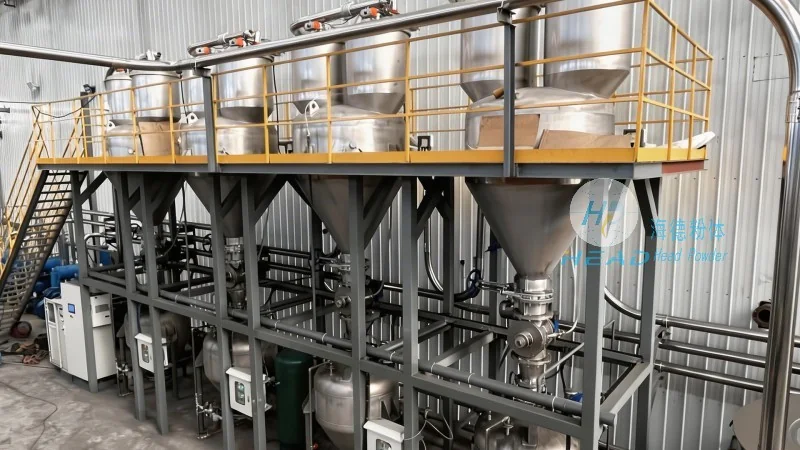
Another crucial design parameter is the pipeline diameter. The diameter of the conveying pipeline directly impacts the air velocity and the pressure drop across the system. A larger diameter allows for lower air velocities while still maintaining sufficient airflow, reducing the risk of material settling. Conversely, a smaller diameter may require higher air velocities, which can increase energy consumption and the likelihood of blockages. For sawdust and husk, a pipeline diameter of at least 100 millimeters is generally recommended to accommodate the material flow and prevent excessive pressure drops. The diameter must be chosen to balance the need for efficient transport with the risk of blockage.
The material of construction is also a critical design parameter. Sawdust and husk can be abrasive and corrosive, especially if they contain moisture or other contaminants. Therefore, the pipeline and associated components must be made from materials that can withstand these conditions without degradation. Stainless steel is often preferred for its corrosion resistance and durability, while plastic or coated pipes may be used for less abrasive applications. The choice of material affects the overall system lifespan and the likelihood of blockages caused by material wear or corrosion.
System layout and the inclusion of features such as bends, elbows, and expansion joints are also important design considerations. Sharp bends or tight turns can cause the material to lose velocity and settle, leading to blockages. Therefore, the system layout should minimize the number of bends and use gradual transitions to maintain air velocity. Expansion joints are essential to accommodate thermal expansion and reduce stress on the pipeline, which can prevent cracks and leaks that may contribute to blockages. Additionally, the inclusion of cleaning mechanisms, such as rotary airlocks or pulse jets, can help maintain the system's performance and prevent the buildup of material over time.
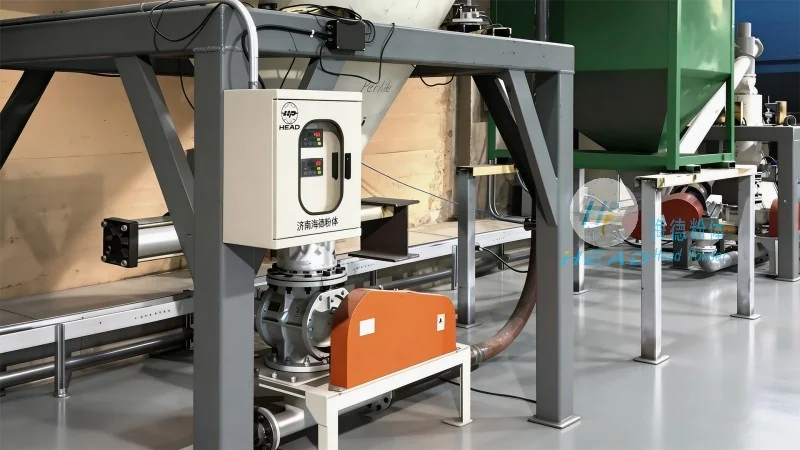
Operational Strategies to Complement Design Parameters
While design parameters are fundamental to preventing blockages, operational strategies are equally important in maintaining system efficiency. Regular maintenance and monitoring are key to identifying potential issues before they escalate into blockages. For example, monitoring the pressure drop across the system can indicate when the pipeline is starting to accumulate material. If the pressure drop increases significantly, it may be time to perform a cleaning or adjust the system parameters. Additionally, ensuring that the material is properly dried before transport can reduce the risk of clumping and blockages. Moisture content should be kept below a certain threshold, typically below 10%, to prevent agglomeration.
Another operational strategy is the use of additives or conditioners. Some materials, like sawdust, may benefit from the addition of anti-caking agents or lubricants to improve flow characteristics. These additives can help prevent the material from sticking to the pipeline walls and reduce the risk of blockages. However, it is important to use additives that are compatible with the material and the system components to avoid any adverse effects. Proper storage and handling of the material before transport can also contribute to reduced blockage risks. Ensuring that the material is stored in a dry, well-ventilated area can minimize moisture absorption and prevent clumping.
Case Study: Successful Implementation by Shandong HeadPowder Engineering Co., Ltd.
Shandong HeadPowder Engineering Co., Ltd., a leading provider of pneumatic conveying solutions, has successfully implemented effective blockage prevention strategies in several sawdust and husk transport projects. One such project involved a wood processing facility that was experiencing frequent blockages in their pneumatic conveying system. By conducting a thorough analysis of the material properties and system design, the company recommended adjustments to the air velocity and pipeline diameter. The system was modified to use a larger diameter pipeline and maintain a higher air velocity, which significantly reduced the pressure drop and prevented material settling. Additionally, the installation of rotary airlocks and pulse jets helped maintain the system's cleanliness and performance.
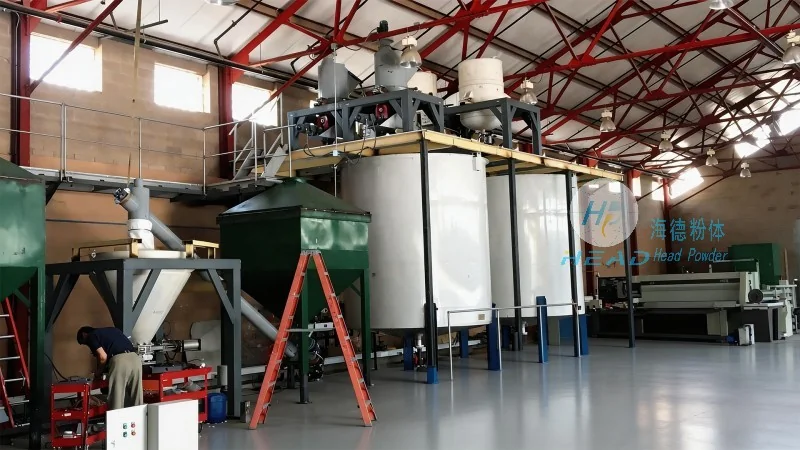
The results of this implementation were impressive, with a reduction in blockage incidents from several times per week to once every few months. The facility reported improved operational efficiency and reduced maintenance costs, demonstrating the effectiveness of the recommended design and operational strategies. This case study highlights the importance of a comprehensive approach to blockage prevention, combining optimal design parameters with effective operational practices.
Conclusion: Ensuring Smooth Transport with Proper Design and Operation
Preventing pipeline blockages in pneumatic conveying systems for sawdust and husk requires a combination of careful design and diligent operation. Key design parameters, such as air velocity, pipeline diameter, material of construction, and system layout, must be optimized based on the specific material characteristics and operational requirements. Operational strategies, including regular maintenance, monitoring, and proper material handling, complement these design choices to ensure long-term system performance. By adhering to these principles, operators can minimize the risk of blockages, maintain efficient material transport, and reduce overall operational costs. Shandong HeadPowder Engineering Co., Ltd. remains committed to providing expert solutions and guidance to help clients achieve reliable and uninterrupted sawdust and husk transport through effective pneumatic conveying systems.