

How to Prevent Pipeline Blockages in Pneumatic Conveying Systems for Cement and Fly Ash Transport? K
HeadPowder, a leading engineering company based in Shandong, China, specializes in the design and implementation of pneumatic conveying systems tailored for the transportation of cement and fly ash. In the cement industry, efficient material handling is crucial, and pneumatic conveying offers a solution that minimizes downtime and operational risks. However, a common challenge in such systems is the risk of pipeline blockages, which can lead to significant production disruptions. This article explores effective strategies to prevent blockages and highlights the critical design parameters that ensure reliable operation.
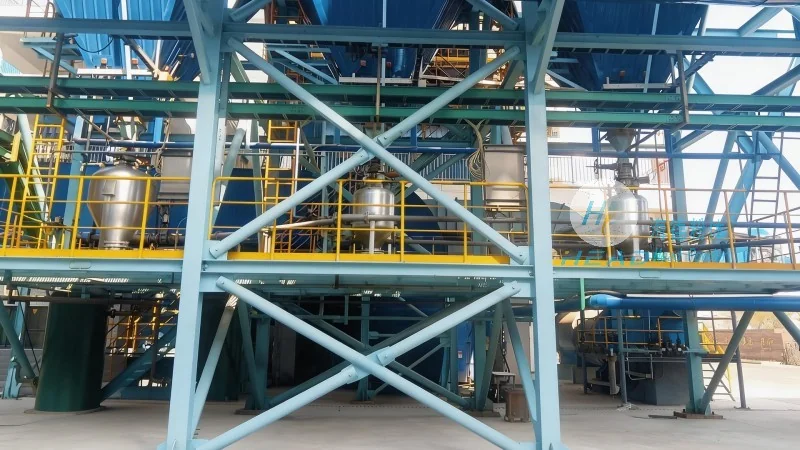
Understanding the Risks of Pipeline Blockages
Pipeline blockages in pneumatic conveying systems for cement and fly ash can occur due to several factors, including the physical properties of the materials, system design, and operational conditions. Cement and fly ash are often fine, abrasive, and have a tendency to agglomerate, which can lead to clogging if the system is not properly designed. Blockages can result in reduced throughput, increased energy consumption, and even equipment damage. Therefore, understanding the root causes of blockages is the first step toward implementing effective prevention measures.
Key Design Parameters to Prevent Blockages
Several key design parameters are essential for preventing pipeline blockages in pneumatic conveying systems. These parameters are carefully considered during the system design phase to ensure optimal performance and reliability.
1. Material Properties and Flow Rate
The physical characteristics of the material being conveyed, such as particle size, density, and moisture content, directly impact the system's performance. For cement and fly ash, which are typically fine powders, the flow rate must be carefully controlled to maintain a consistent, non-clogging flow. HeadPowder engineers use advanced calculations to determine the appropriate flow rate based on the material's properties and the system's capacity requirements. This ensures that the material moves smoothly through the pipeline without accumulating or agglomerating.
2. Air Velocity and Pressure
Air velocity and pressure are critical factors in pneumatic conveying. Insufficient air velocity can lead to material settling and blockages, while excessive pressure may cause wear and tear on the system components. HeadPowder designs systems with optimal air velocity and pressure levels that are tailored to the specific material being transported. For cement and fly ash, a balanced air velocity is essential to maintain a uniform flow and prevent the formation of deposits on the pipeline walls.
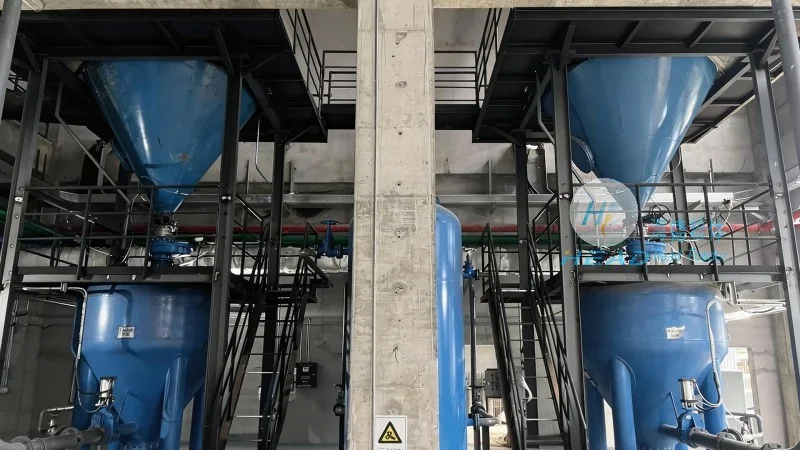
3. Pipeline Diameter and Length
The diameter and length of the pipeline are crucial design elements that affect the system's efficiency and blockage risk. Larger diameter pipelines reduce the risk of blockages by allowing for a smoother flow and lower pressure drop. However, longer pipelines may require additional air boosters or pressure maintenance to ensure consistent material transport. HeadPowder considers the total pipeline length and elevation changes when selecting the appropriate diameter to minimize the risk of clogging and maintain system performance.
4. Inlet and Outlet Design
The design of the inlet and outlet components plays a significant role in preventing blockages. Properly designed inlets ensure that material is introduced into the system without creating turbulence or air pockets that can lead to agglomeration. Similarly, well-designed outlets help in smoothly discharging the material without causing pressure surges or material accumulation. HeadPowder incorporates specialized inlet and outlet designs, such as venturi inlets and smooth discharge nozzles, to enhance system performance and reduce the likelihood of blockages.
5. Material Conditioning and Drying
For cement and fly ash, which can be hygroscopic (absorb moisture from the air), material conditioning and drying are essential to prevent blockages. Moisture can cause the material to clump together, leading to clogging. HeadPowder may recommend pre-drying or conditioning the material before it enters the conveying system. This step ensures that the material remains in a dry, free-flowing state, reducing the risk of blockages and improving overall system efficiency.
Implementation Strategies for Effective Blockage Prevention
While design parameters are critical, effective implementation strategies are equally important to ensure that the system operates without blockages. HeadPowder employs several strategies to maintain system reliability and performance.
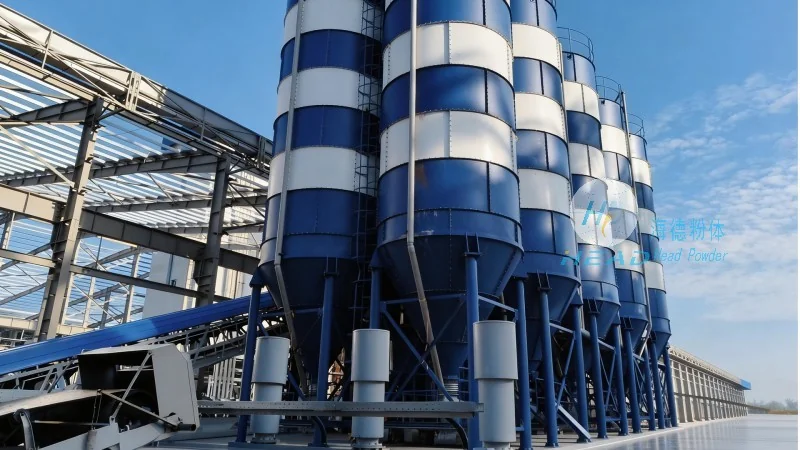
1. Regular Maintenance and Cleaning
Regular maintenance, including periodic cleaning of the pipeline and components, is essential to prevent the buildup of material residues that can lead to blockages over time. HeadPowder recommends scheduled maintenance programs that include visual inspections, pressure tests, and cleaning procedures to keep the system in optimal condition.
2. Monitoring and Control Systems
Advanced monitoring and control systems are used to detect and address potential blockages in real-time. These systems can monitor air pressure, flow rate, and material level, providing early warnings of any deviations from normal operation. HeadPowder integrates smart sensors and control panels into their systems to enable proactive maintenance and minimize downtime.
3. Material Handling Best Practices
Proper material handling practices, such as ensuring that the material is stored in a dry, well-ventilated area and avoiding overfilling the hopper, can also contribute to preventing blockages. HeadPowder provides guidance on best practices to customers to ensure that the material is handled correctly before it enters the conveying system.
Conclusion
Preventing pipeline blockages in pneumatic conveying systems for cement and fly ash is a multifaceted challenge that requires careful consideration of design parameters and implementation strategies. HeadPowder, with its expertise in engineering and material handling, offers comprehensive solutions that address these challenges. By focusing on material properties, air velocity, pipeline design, and operational practices, HeadPowder ensures that its systems provide reliable, efficient, and blockage-free operation. For businesses in the cement industry, investing in a well-designed pneumatic conveying system from HeadPowder is a strategic decision that can enhance productivity, reduce costs, and minimize operational risks.