

How to Prevent Pipeline Blockages in the Pneumatic Conveying System for Calcium Oxide Dry Powder? Ke
HeadPowder, a leading engineering company based in Shandong, China, specializes in the design and implementation of pneumatic conveying systems tailored for the transportation of calcium oxide dry powder. This article explores effective strategies to prevent pipeline blockages in such systems and highlights the critical design parameters that ensure reliable and efficient operation.
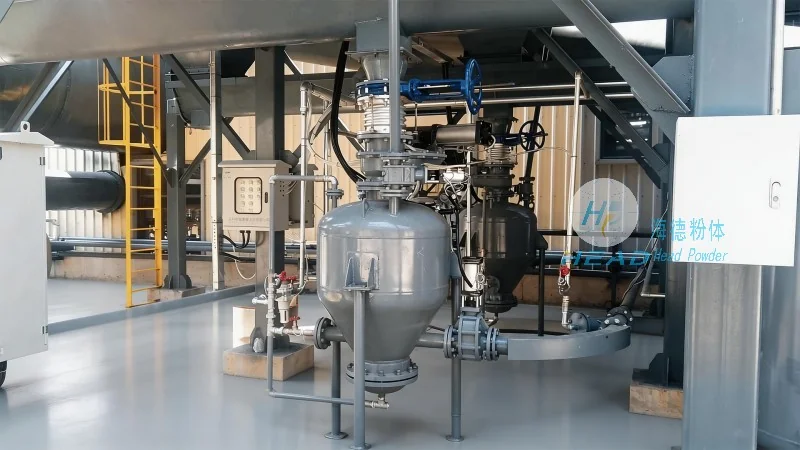
Understanding the Challenges of Calcium Oxide Dry Powder Conveying
Calcium oxide, commonly known as quicklime, is a highly reactive and abrasive material. Its dry powder form presents unique challenges during pneumatic conveying, including the tendency to agglomerate, adhere to pipe walls, and cause blockages. These issues can lead to system downtime, increased maintenance costs, and reduced productivity. Therefore, it is essential to implement robust design measures to mitigate these risks.
Key Design Parameters for Preventing Pipeline Blockages
The success of a pneumatic conveying system for calcium oxide dry powder heavily relies on several key design parameters. These parameters are carefully selected to ensure the material flows smoothly through the pipeline without causing obstructions. The primary factors include:
1. Air Velocity and Flow Rate
Optimizing air velocity and flow rate is fundamental to preventing blockages. Insufficient air velocity can cause the powder to settle and stick to the pipe walls, while excessive velocity may lead to excessive wear and energy consumption. For calcium oxide, a balanced air velocity of approximately 20-30 meters per second is typically recommended, depending on the particle size and density. The flow rate must be adjusted to maintain a consistent material-to-air ratio, ensuring that the powder is fully entrained and transported without accumulation.
2. Particle Size and Distribution
The particle size and distribution of calcium oxide significantly impact the conveying performance. Finer particles are more prone to agglomeration and can cause blockages if not properly handled. Therefore, it is crucial to control the particle size distribution to ensure uniform flow. HeadPowder recommends using a combination of screening and classification processes to achieve a consistent particle size range, typically between 100-500 microns, which minimizes the risk of clogging.
3. Pipeline Sizing and Layout
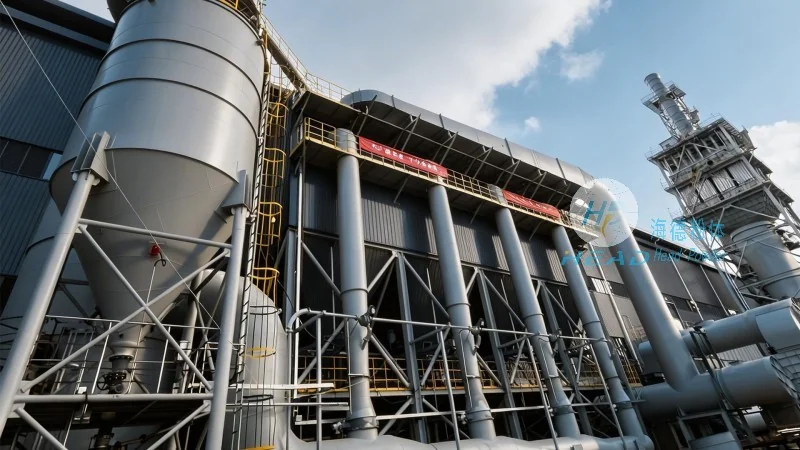
The diameter and layout of the pipeline are critical design elements. Larger diameter pipes reduce the risk of blockages by providing sufficient space for the powder to flow without adhering to the walls. Additionally, the pipeline should be designed with gentle curves and minimal bends to avoid areas where powder can settle. HeadPowder engineers often incorporate vertical sections with slight inclines to facilitate material movement and prevent stagnation.
4. Material Handling Equipment
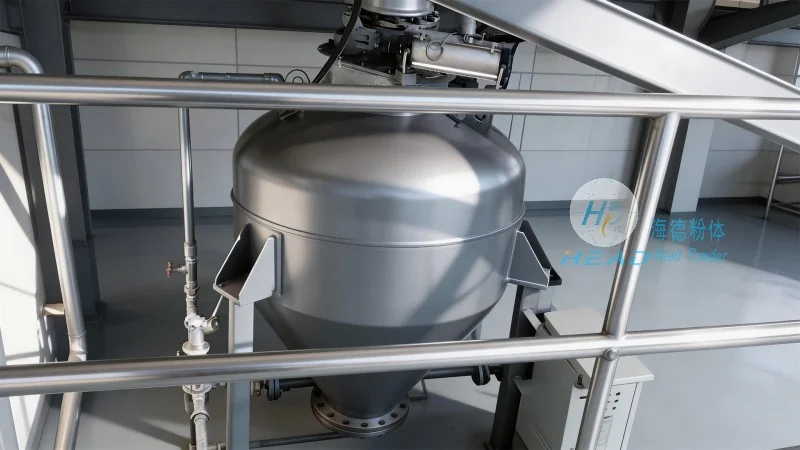
The type of material handling equipment, such as feeders and cyclones, plays a vital role in preventing blockages. Properly designed feeders ensure a consistent feed rate, preventing surges that can cause pipeline blockages. Cyclones are used for separation and can be optimized to handle calcium oxide without causing material buildup. HeadPowder uses high-efficiency cyclones with appropriate inlet velocities to maintain a clean system and prevent clogging.
Implementation Strategies for Effective Conveying
Beyond the design parameters, several implementation strategies are essential to prevent pipeline blockages in pneumatic conveying systems for calcium oxide. These strategies focus on operational practices and system monitoring:
1. Regular Maintenance and Cleaning
Regular maintenance is crucial to prevent the buildup of material on pipe walls and equipment. HeadPowder recommends a maintenance schedule that includes periodic cleaning of the pipeline, cyclones, and feeders. This can be done using compressed air or specialized cleaning tools to remove any accumulated powder and ensure smooth operation.
2. Monitoring System Performance
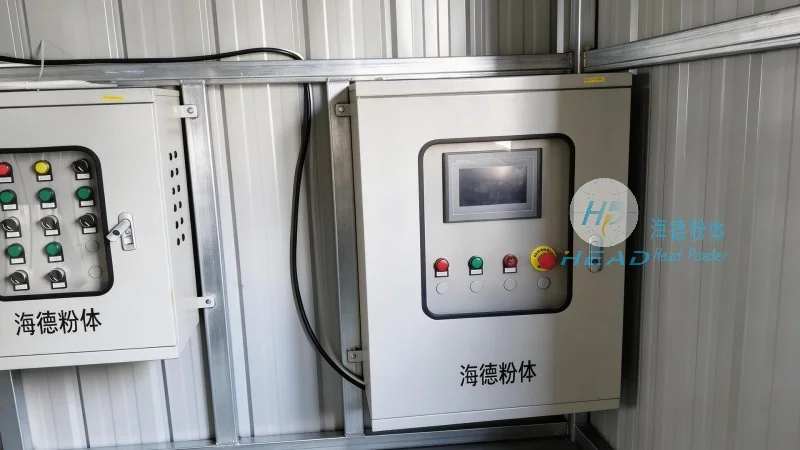
Implementing real-time monitoring systems allows for early detection of potential blockages. Sensors can be installed to monitor air pressure, flow rate, and material level, providing alerts if any parameters deviate from the optimal range. This proactive approach helps in addressing issues before they escalate into major blockages.
3. Material Conditioning
Conditioning the calcium oxide powder before conveying can improve its flow characteristics. Adding a small amount of moisture or using anti-caking agents can help prevent agglomeration. However, it is important to balance moisture content to avoid excessive humidity, which can lead to material degradation or corrosion in the system.
Conclusion
Preventing pipeline blockages in pneumatic conveying systems for calcium oxide dry powder requires a comprehensive approach that combines careful design parameters with effective operational strategies. HeadPowder, with its expertise in engineering solutions, provides tailored systems that address the unique challenges of calcium oxide transportation. By optimizing air velocity, particle size, pipeline layout, and material handling equipment, along with regular maintenance and monitoring, businesses can ensure reliable and efficient operation of their pneumatic conveying systems.