

Preventing Pipeline Blockages in Pneumatic Conveying Systems for Arsenic Trioxide: Key Design Parame
Handling arsenic trioxide, a toxic and corrosive substance, requires specialized equipment to ensure safe and efficient material transport. Pneumatic conveying systems are widely used in industrial applications for such tasks, leveraging air pressure to move powders through pipelines. However, these systems are prone to blockages, which can lead to operational disruptions and safety hazards. Understanding how to prevent blockages and the critical design parameters involved is essential for maintaining system reliability and compliance with safety standards.
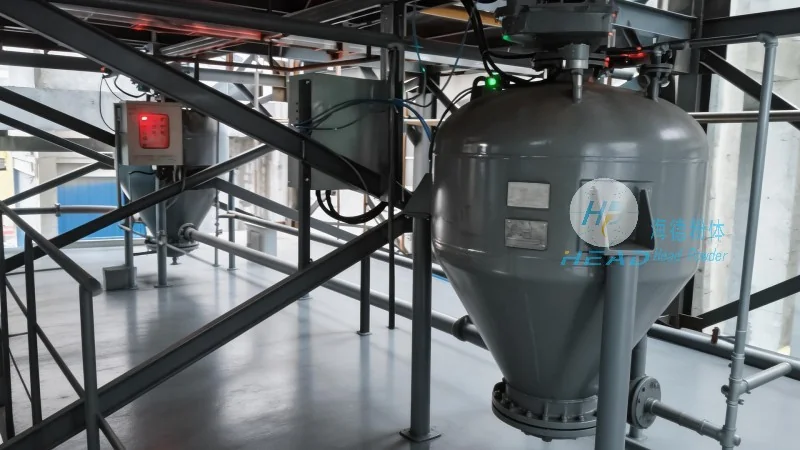
Understanding the Risks of Pipeline Blockages in Arsenic Trioxide Conveying
Pipeline blockages in pneumatic conveying systems for arsenic trioxide can occur due to several factors, including material properties, system design, and operational conditions. Arsenic trioxide is a fine powder with high moisture absorption and potential for agglomeration, which increases the risk of clogging. Additionally, improper air flow rates or insufficient pressure can cause the material to settle or form solid deposits within the pipeline. These blockages not only halt production but also require costly downtime for cleaning and maintenance. Therefore, implementing preventive measures is crucial to minimize these risks and ensure continuous operation.
Key Design Parameters to Prevent Blockages in Pneumatic Conveying Systems
Several key design parameters must be considered when designing a pneumatic conveying system for arsenic trioxide to prevent pipeline blockages. These parameters are tailored to the material's characteristics and the system's operational requirements. The first critical parameter is the pipeline diameter. Larger diameters reduce the risk of clogging by providing more space for the material to flow, while smaller diameters may increase friction and cause material accumulation. For arsenic trioxide, a diameter of at least 100 mm is recommended to accommodate the fine powder and maintain smooth flow.
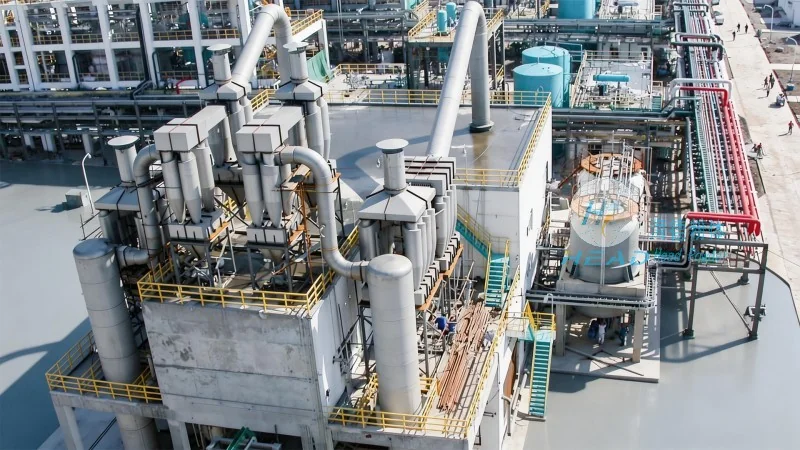
Another essential parameter is the air-to-solid ratio (gas-solid ratio), which determines the velocity of the material in the pipeline. An optimal ratio ensures that the material is fully suspended by the air stream, preventing it from settling and forming blockages. For arsenic trioxide, a ratio of 5:1 to 10:1 is typically recommended, depending on the system's configuration and the material's density. This ratio balances the need for sufficient air to keep the material in suspension with energy efficiency.
The conveying velocity is also a critical design factor. Excessive velocity can cause erosion and wear on the pipeline, while insufficient velocity may lead to material deposition. The optimal velocity for arsenic trioxide is usually between 20 to 30 meters per second, which provides enough force to keep the powder suspended without causing damage to the system components. Additionally, the pipeline's material of construction is vital. Arsenic trioxide is corrosive, so materials like stainless steel or specialized coatings are preferred to prevent chemical reactions and maintain system integrity.
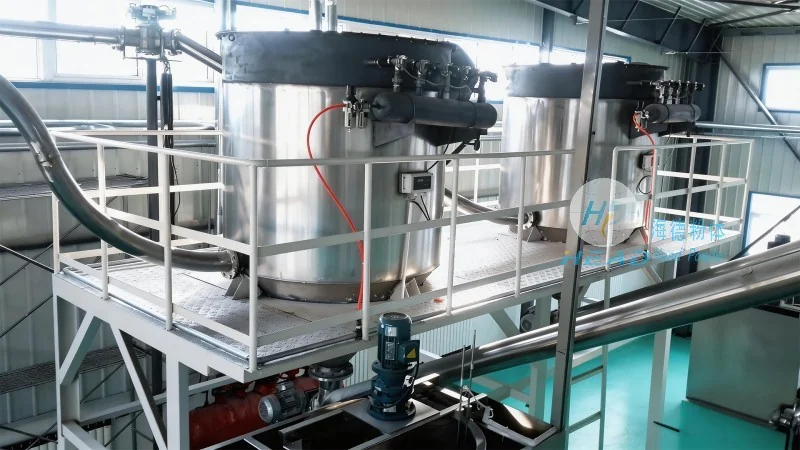
Furthermore, the system's layout and the presence of bends or fittings can impact blockage risk. Smooth, gradual bends with appropriate radii reduce the likelihood of material accumulation at curve points. Using inline mixers or agitators can also help maintain material suspension by breaking up agglomerates and ensuring uniform flow. These design elements, combined with proper maintenance procedures, contribute to a more reliable system.
Operational Strategies to Enhance System Performance and Prevent Blockages
While design parameters are crucial, operational strategies play a significant role in preventing pipeline blockages. Regular monitoring of air pressure and flow rates is essential to detect any deviations that may indicate impending blockages. Maintaining consistent operating conditions, such as stable air pressure and temperature, helps prevent material changes that could lead to clogging. Additionally, implementing a cleaning schedule for the pipeline, especially after periods of low activity or material changes, can prevent the buildup of deposits.
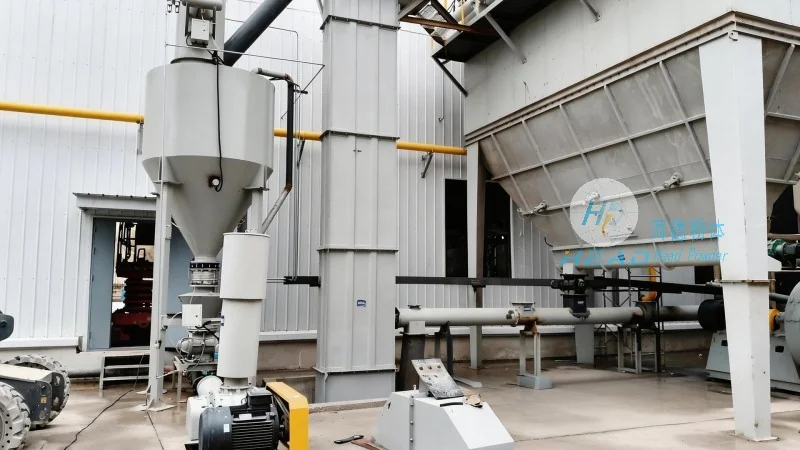
Filter maintenance is another critical operational aspect. The filters used to separate the material from the air must be regularly cleaned or replaced to avoid clogging and ensure proper air flow. A clogged filter can reduce the air pressure in the system, leading to lower conveying velocity and increased blockage risk. Using high-efficiency filters designed for fine powders like arsenic trioxide can extend the filter life and maintain system performance.
Finally, training personnel on system operation and emergency procedures is vital. Operators should be aware of the signs of potential blockages, such as reduced flow or increased pressure, and know how to respond promptly. This includes having backup equipment and procedures in place to minimize downtime and ensure safety. By combining proper design with diligent operational practices, the risk of pipeline blockages in pneumatic conveying systems for arsenic trioxide can be significantly reduced.