

How to Prevent Pipeline Blockages in Pneumatic Conveying Systems for Lithium-Ion Battery Raw Materia
For manufacturers in the lithium-ion battery industry, efficient and reliable material handling is crucial to maintaining production line stability and reducing downtime. Pneumatic conveying systems have become a popular choice for transporting raw materials such as lithium compounds, cobalt, nickel, and other powders due to their ability to handle fine particles and minimize contamination. However, a common challenge in these systems is pipeline blockages, which can lead to costly interruptions and safety hazards. Understanding and implementing the right design parameters are essential to prevent such issues and ensure smooth operation. This article explores effective strategies to prevent pipeline blockages in pneumatic conveying systems used for lithium-ion battery raw material handling, with a focus on key design considerations.
Understanding the Risks of Pipeline Blockages in Pneumatic Conveying
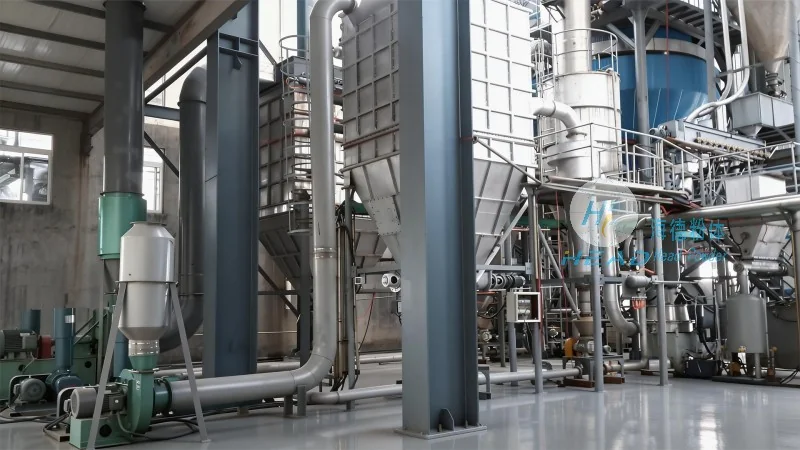
Pipeline blockages in pneumatic conveying systems can occur due to several factors, including improper air velocity, excessive moisture content in the material, or the presence of agglomerates. When these issues arise, the flow of material is disrupted, leading to pressure buildup and potential system failure. For lithium-ion battery manufacturers, who rely on consistent supply of raw materials, such blockages can result in significant financial losses and delays in production schedules. Therefore, it is imperative to address the root causes of blockages through proper system design and maintenance.
Key Design Parameters for Preventing Pipeline Blockages
Several critical design parameters must be considered when designing a pneumatic conveying system for lithium-ion battery raw materials to minimize the risk of blockages. These parameters include system pressure, air velocity, pipe diameter, and material characteristics. Each of these factors plays a vital role in ensuring the material flows smoothly through the system without clogging.
System Pressure and Air Velocity
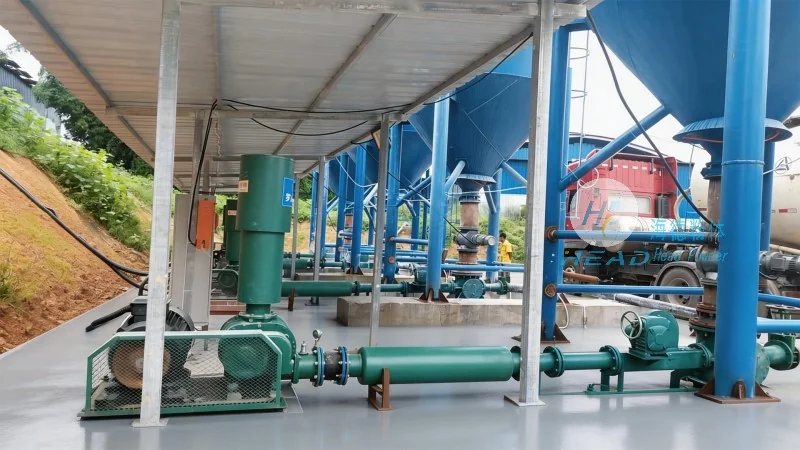
The pressure and air velocity within the pneumatic conveying system are fundamental to preventing blockages. Higher air velocity helps to keep the material suspended and moving through the pipeline, reducing the likelihood of particles settling and forming agglomerates. However, excessive air velocity can increase energy consumption and cause wear on system components. A balanced approach is essential, where the air velocity is optimized based on the specific properties of the raw material being transported. For example, fine powders like lithium carbonate may require higher air velocities compared to coarser materials like cobalt oxide to maintain proper flow.
Pipe Diameter and Material Flow
The diameter of the conveying pipe is another critical parameter that affects the risk of blockages. Smaller pipe diameters increase the risk of particle accumulation and blockage, as the material has less space to move freely. Conversely, larger diameters may be more energy-efficient but can increase system cost and footprint. The optimal pipe diameter is determined by the material's particle size distribution, bulk density, and flow characteristics. For lithium-ion battery raw materials, which often consist of fine powders with high moisture content, a pipe diameter of at least 100 mm is typically recommended to ensure adequate flow and prevent clogging.
Material Characteristics and Moisture Content
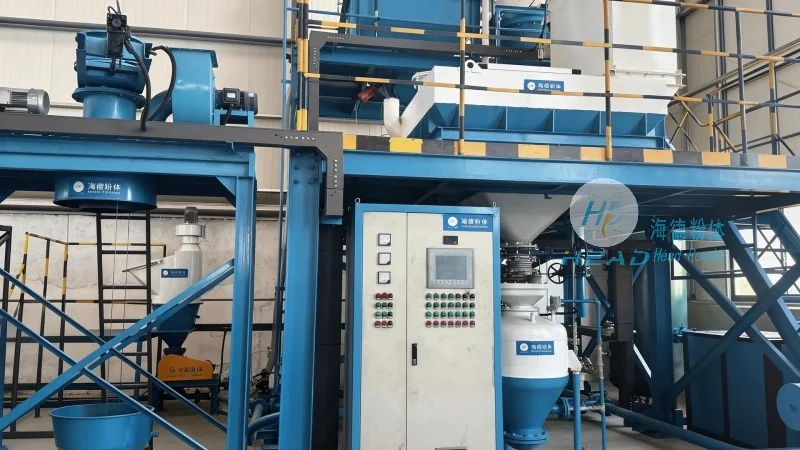
The physical and chemical properties of the raw material being transported significantly impact the risk of pipeline blockages. Materials with high moisture content are more prone to clumping and agglomeration, which can cause blockages. Therefore, it is essential to consider the moisture content of the material during system design. Pre-drying or moisture control measures may be necessary to reduce the risk of blockages. Additionally, the particle size distribution and bulk density of the material affect the required air velocity and system pressure. Materials with a wide range of particle sizes may require more complex system designs, such as a combination of positive and negative pressure zones, to ensure uniform flow.
System Layout and Bends
The layout of the pneumatic conveying system, including the number and angle of bends, also plays a role in preventing blockages. Sharp bends can cause particles to settle and accumulate, leading to blockages. Using smooth, gradual bends with radii at least 5 times the pipe diameter can help minimize this risk. Additionally, the vertical height and horizontal distance of the system should be optimized to avoid excessive pressure drops and material settling. A well-designed system layout ensures that the material flows continuously without interruptions, reducing the likelihood of blockages.
Role of HeadPowder in Designing Reliable Pneumatic Conveying Systems
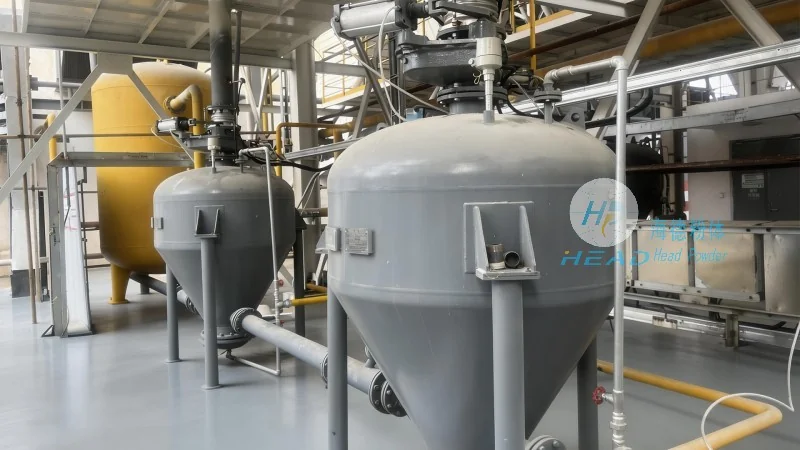
Shandong HeadPowder Engineering Co., Ltd., a leading provider of pneumatic conveying solutions, specializes in designing and manufacturing systems tailored to the specific needs of lithium-ion battery manufacturers. With years of experience in the industry, HeadPowder understands the unique challenges of handling fine powders and has developed advanced solutions to prevent pipeline blockages. The company's engineers work closely with clients to assess their material properties, production requirements, and operational constraints to design systems that meet the highest standards of efficiency and reliability.
Conclusion: Ensuring Smooth Operations with Proper Design
Preventing pipeline blockages in pneumatic conveying systems for lithium-ion battery raw materials requires a comprehensive approach that considers multiple design parameters. By optimizing system pressure, air velocity, pipe diameter, and material characteristics, manufacturers can significantly reduce the risk of blockages and ensure smooth, continuous operation. Companies like Shandong HeadPowder Engineering Co., Ltd. play a crucial role in providing expert guidance and tailored solutions to address these challenges, helping lithium-ion battery manufacturers maintain productivity and meet their production goals.