

How to Prevent Pipeline Blockages in Pneumatic Conveying Systems for Polyethylene Resin Powder? Key
For companies in the polyethylene resin industry, the efficient and reliable transport of resin powder is crucial to maintaining production continuity and reducing operational costs. Pneumatic conveying systems have become a popular choice due to their ability to handle fine powders like polyethylene resin, but a common challenge is the risk of pipeline blockages. These blockages can lead to system downtime, increased maintenance costs, and potential product contamination. Understanding the key design parameters that mitigate these risks is essential for optimizing system performance and ensuring long-term operational stability.

HeadPowder, a leading engineering company based in Shandong, China, specializes in the design and implementation of advanced pneumatic conveying solutions tailored to the unique needs of the polyethylene resin sector. With years of experience in the field, HeadPowder has developed a comprehensive approach to preventing pipeline blockages, focusing on critical design elements that directly impact system efficiency and reliability.
Common Causes of Pipeline Blockages in Pneumatic Conveying
Pipeline blockages in pneumatic conveying systems for polyethylene resin powder typically arise from several factors. One primary cause is the agglomeration of resin particles, which can occur due to moisture content in the material, improper air flow rates, or inadequate mixing. Another factor is the presence of foreign objects or contaminants that can accumulate and obstruct the pipeline. Additionally, the design of the system, such as the size and shape of the pipeline, the type of air nozzle, and the placement of separation equipment, plays a significant role in the likelihood of blockages. Understanding these causes is the first step toward implementing effective prevention strategies.
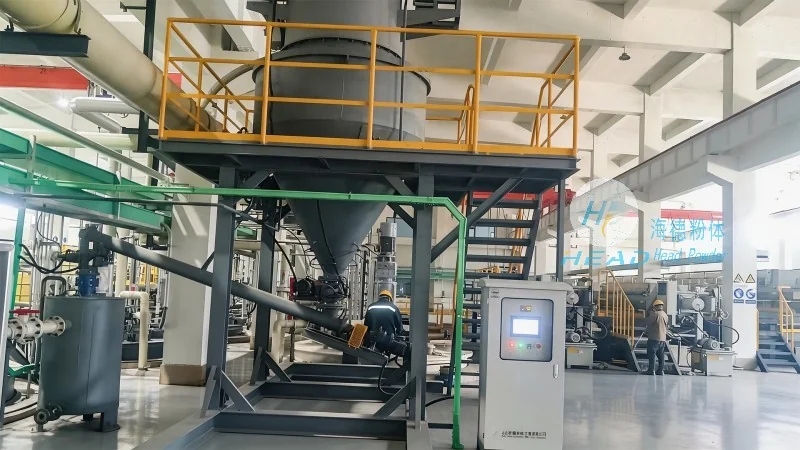
Key Design Parameters for Preventing Pipeline Blockages
Several key design parameters must be carefully considered when designing a pneumatic conveying system for polyethylene resin powder to minimize the risk of blockages. The first parameter is the air velocity and flow rate. Maintaining an appropriate air velocity is critical to ensure that the resin particles are fully suspended and transported efficiently. Too low a velocity can lead to particle settling and blockages, while too high a velocity may cause excessive wear on the system components. HeadPowder recommends optimizing the air velocity based on the specific properties of the polyethylene resin, such as particle size, density, and moisture content.
The second critical parameter is the pipeline diameter and length. The diameter of the pipeline must be sufficient to accommodate the resin particles without causing excessive friction or pressure drops. A larger diameter reduces the risk of particle agglomeration and blockages, but it also increases the cost and space requirements. The length of the pipeline also impacts the system's performance, as longer pipelines may require additional air boosters or pressure regulators to maintain the necessary air flow. HeadPowder engineers typically use computational fluid dynamics (CFD) simulations to model the system and determine the optimal pipeline dimensions for a given application.
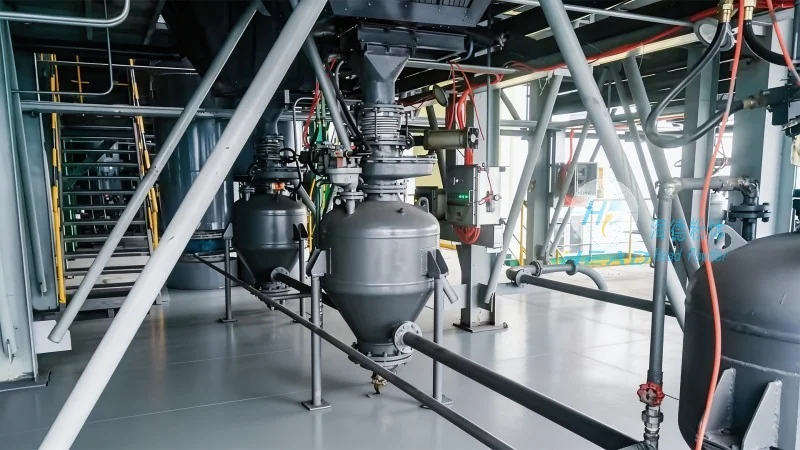
The third parameter is the type and placement of air nozzles and separation equipment. The air nozzle design, including its shape and size, affects the air flow distribution and particle suspension. Properly designed nozzles ensure that the air is directed uniformly, preventing localized areas of low velocity where particles may settle. Separation equipment, such as cyclones or filters, is also crucial for removing contaminants and preventing them from entering the pipeline. HeadPowder's engineers carefully select and position these components to maximize system efficiency and minimize blockage risks.
Another important parameter is the material selection for the pipeline and components. The choice of materials, such as stainless steel or special alloys, can impact the system's resistance to corrosion and wear. Polyethylene resin can be abrasive, and the pipeline must be constructed from materials that can withstand the wear and potential chemical interactions. HeadPowder recommends using high-quality, corrosion-resistant materials to extend the system's lifespan and reduce maintenance needs.
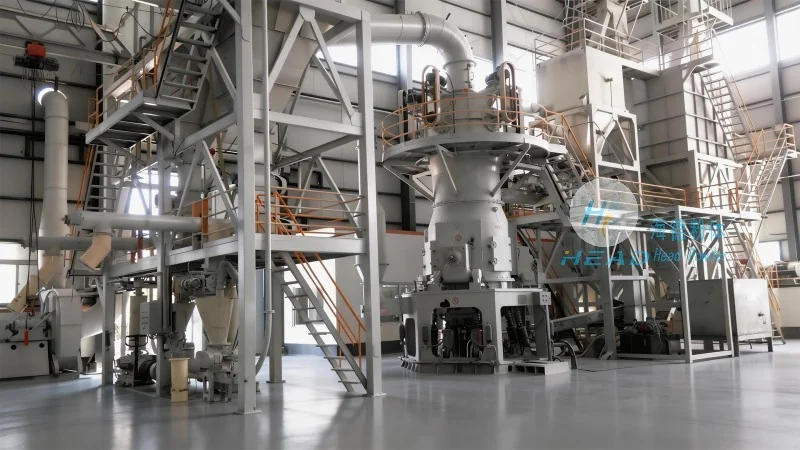
Furthermore, the system's control and monitoring capabilities play a vital role in preventing blockages. Modern pneumatic conveying systems often include sensors and control systems that monitor pressure, flow rate, and particle concentration in real time. These systems can detect early signs of blockage, such as a sudden drop in pressure or an increase in flow resistance, and trigger alerts or automated responses to prevent further issues. HeadPowder integrates advanced control technologies into its designs to enhance system reliability and reduce downtime.
Conclusion: Optimizing Pneumatic Conveying Systems for Polyethylene Resin Powder
Preventing pipeline blockages in pneumatic conveying systems for polyethylene resin powder requires a systematic approach that considers multiple design parameters. By focusing on air velocity, pipeline dimensions, air nozzle and separation equipment design, material selection, and advanced control systems, companies can significantly reduce the risk of blockages and improve overall system performance. HeadPowder, with its expertise in engineering and system design, provides tailored solutions that address these critical parameters, ensuring reliable and efficient transport of polyethylene resin powder. For businesses in the polyethylene industry, investing in a well-designed pneumatic conveying system is a strategic decision that can lead to long-term operational efficiency and cost savings.