

How to Prevent Pipeline Blockages in PVA Formaldehyde Resin Conveying with Pneumatic Conveying Syste
HeadPowder, a leading engineering company based in Shandong, China, specializes in providing advanced solutions for material handling, particularly in the field of pneumatic conveying systems. This article focuses on the critical aspects of preventing pipeline blockages when transporting polyvinyl alcohol (PVA) formaldehyde resin using such systems, along with key design parameters that ensure efficient and reliable operation.
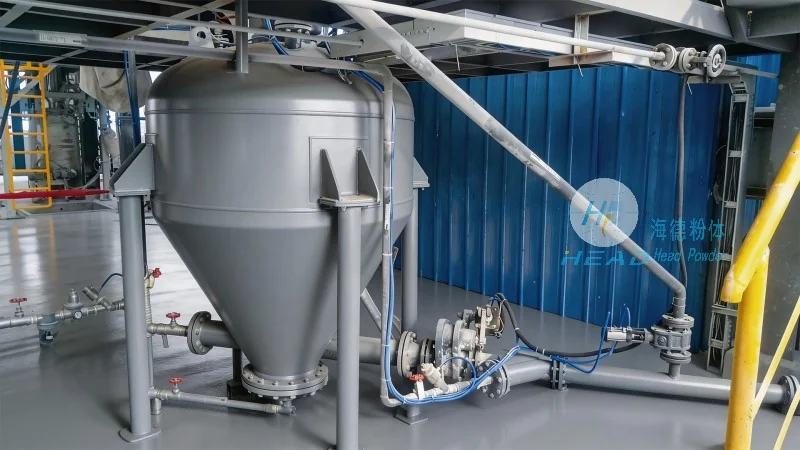
Understanding PVA Formaldehyde Resin and Its Conveying Challenges
Polyvinyl alcohol (PVA) formaldehyde resin is a versatile polymer used in various industrial applications, including adhesives, coatings, and textiles. Its properties, such as high viscosity and tendency to agglomerate, make it challenging to handle through traditional conveying methods. Pneumatic conveying systems offer a solution by using air to transport the material, but the risk of blockages remains a significant concern. Blockages can lead to system downtime, increased maintenance costs, and product loss, making it essential to implement effective design strategies.
Key Design Parameters for Preventing Pipeline Blockages
Several key design parameters play a crucial role in preventing blockages in pneumatic conveying systems for PVA formaldehyde resin. These parameters include:
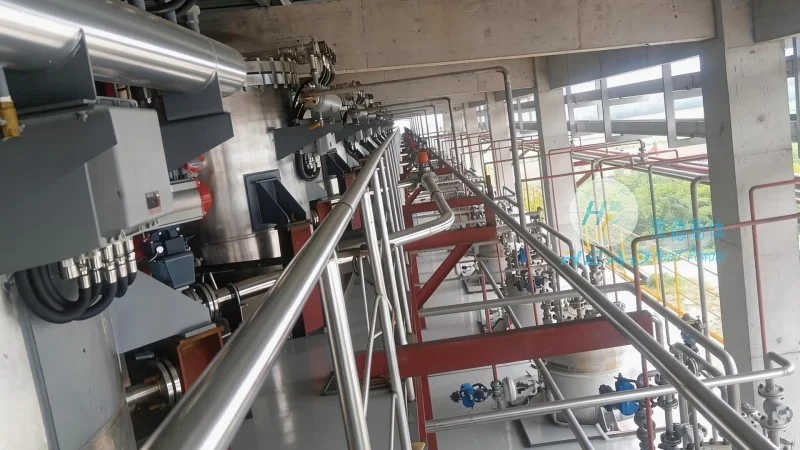
1. Air Velocity and Flow Rate: Maintaining an appropriate air velocity is vital to ensure the material is fully entrained and transported without settling. The flow rate must be sufficient to overcome the material's resistance and prevent it from accumulating in the pipeline. HeadPowder recommends a minimum air velocity of 20-25 m/s for PVA formaldehyde resin, depending on the particle size and moisture content.
2. Pipeline Sizing and Configuration: The diameter and length of the pipeline significantly impact the risk of blockages. Larger diameters reduce friction and allow for smoother flow, while proper bends and elbows with gradual transitions minimize turbulence and potential for material buildup. The system should be designed with straight sections and minimal fittings to maintain consistent flow.
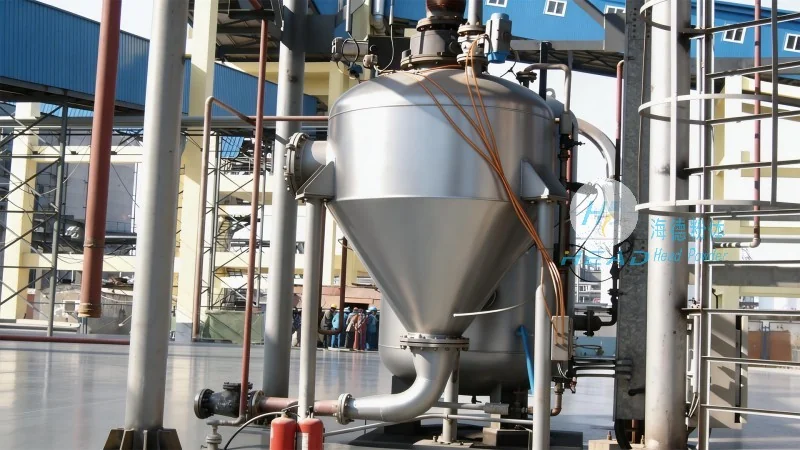
3. Material Feed and Conditioning: Proper feeding of the PVA formaldehyde resin is essential to avoid uneven flow and blockages. Conditioning the material, such as pre-drying or pre-mixing with a carrier, can improve its flow characteristics. HeadPowder suggests using a hopper with a controlled discharge mechanism to ensure a steady feed rate, preventing surges that could lead to blockages.
4. Air Filtration and Moisture Control: Maintaining clean air and controlling moisture levels are critical to prevent material caking and blockages. High moisture content can cause the resin to become sticky and adhere to the pipeline walls. HeadPowder recommends installing high-efficiency filters and moisture control systems to ensure the air remains dry and free of contaminants.
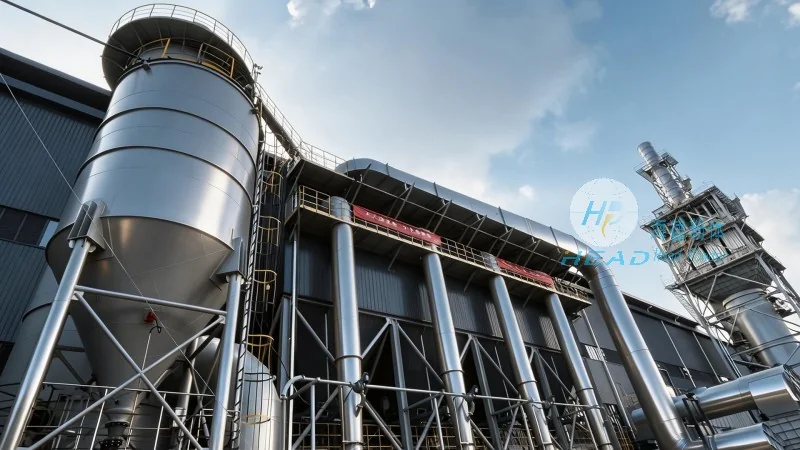
Advanced Solutions from HeadPowder Engineering
HeadPowder Engineering Co., Ltd., based in Shandong, China, offers customized pneumatic conveying solutions tailored to the specific needs of PVA formaldehyde resin handling. Our engineers work closely with clients to assess their material properties, process requirements, and operational constraints to design systems that minimize blockage risks. We provide comprehensive design services, including pipeline layout, air velocity calculations, and material feed systems, ensuring optimal performance and reliability.
Our solutions are backed by rigorous testing and validation to ensure they meet industry standards and client expectations. By focusing on key design parameters and advanced engineering principles, HeadPowder helps clients achieve efficient, safe, and cost-effective material handling for PVA formaldehyde resin, reducing downtime and improving overall productivity.