

How to Prevent Pipe Blockages in Pneumatic Conveying Systems for Baking Powder? Key Design Parameter
For food manufacturers dealing with baking powder, efficient and reliable material handling is crucial. Pneumatic conveying systems offer a solution, but preventing pipe blockages is a common challenge. This article explores effective strategies and key design parameters to ensure smooth operation in pneumatic conveying for baking powder applications.
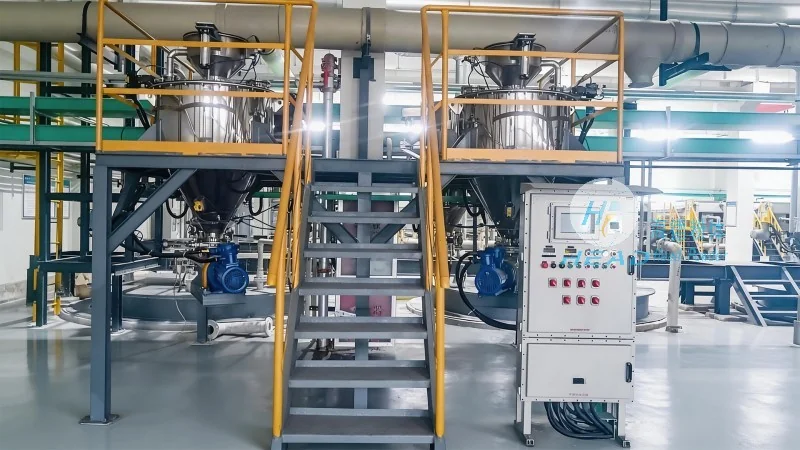
HeadPowder, a leading engineering company based in Shandong, China, specializes in designing and implementing advanced pneumatic conveying solutions tailored to the unique needs of the food industry. With years of experience, their expertise helps clients optimize material flow and minimize downtime.
Common Causes of Pipe Blockages in Pneumatic Conveying
Pipe blockages in pneumatic conveying systems for baking powder can stem from several factors. Inadequate air velocity, excessive material moisture, and improper particle size distribution are primary contributors. When air velocity is too low, particles may settle and accumulate, leading to clogs. Moisture in the powder can cause clumping, which further exacerbates blockages. Additionally, if the particle size is too fine or too coarse, it can affect the system's ability to maintain consistent flow.
Key Design Parameters to Prevent Pipe Blockages
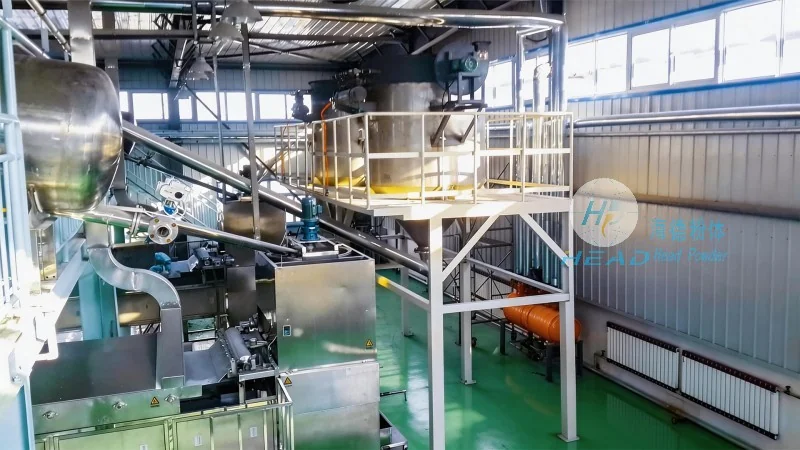
Several critical design parameters must be considered to prevent pipe blockages in pneumatic conveying systems for baking powder. First, air velocity is a fundamental factor. Maintaining an appropriate air velocity ensures that particles are adequately suspended and transported without settling. HeadPowder recommends a minimum air velocity based on the specific characteristics of the baking powder, such as particle size and density. Second, the system's pressure and flow rate must be optimized. Proper pressure control helps maintain consistent material movement, while flow rate adjustments allow for adaptation to varying production volumes. Third, the choice of pipeline diameter and material is essential. Larger diameters reduce the risk of blockages by providing more space for particles to move, while using corrosion-resistant materials like stainless steel ensures durability and prevents material buildup.
System Configuration and Operational Strategies
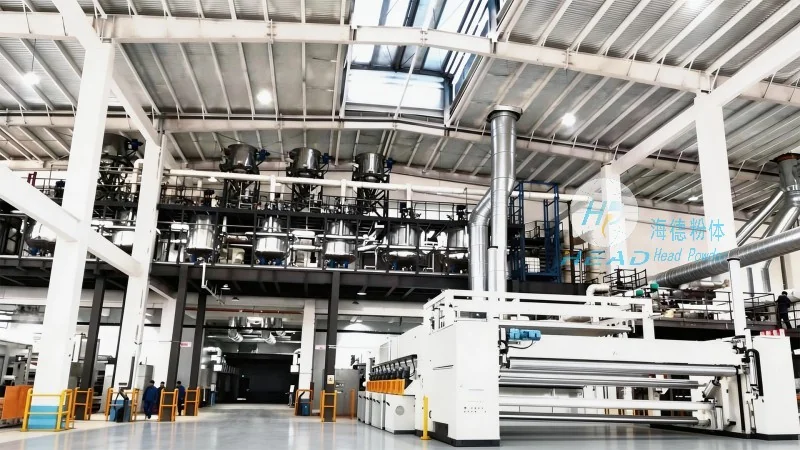
Effective system configuration involves selecting the right type of pneumatic conveying system, such as dilute-phase or dense-phase, based on the application. Dilute-phase systems are suitable for high-volume, low-density materials like baking powder, as they rely on high air velocity to keep particles suspended. Dense-phase systems, on the other hand, use lower air velocity and higher pressure to move material in a more controlled manner, reducing the risk of blockages. Operational strategies also play a vital role. Regular maintenance, including cleaning and inspection of pipelines and components, helps prevent debris accumulation. Additionally, monitoring system performance in real-time allows for quick adjustments to air velocity or pressure if blockages are detected.
Real-World Application and Success Stories
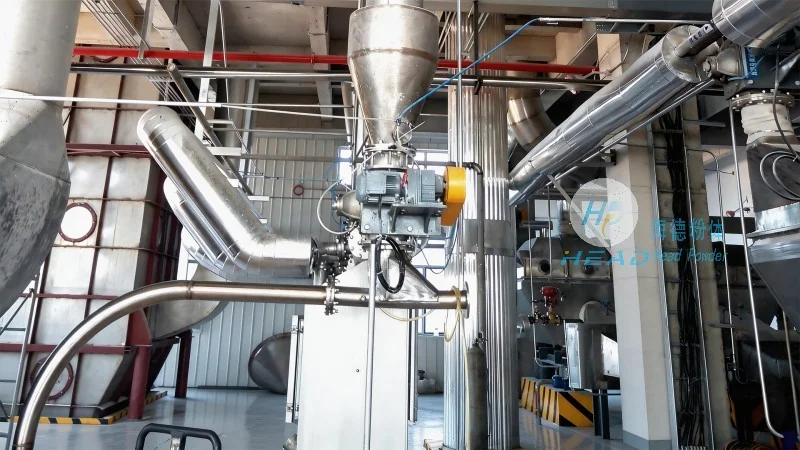
HeadPowder has successfully implemented pneumatic conveying systems for multiple baking powder manufacturers, achieving significant improvements in operational efficiency and reduced downtime. One client, a large-scale baking powder producer, reported a 30% reduction in blockage incidents after implementing a system with optimized air velocity and larger pipeline diameters. Another client benefited from the use of stainless steel pipelines and regular maintenance schedules, which minimized material buildup and extended the system's lifespan. These success stories highlight the importance of tailored design and proper maintenance in preventing pipe blockages.
Conclusion and Recommendations
Preventing pipe blockages in pneumatic conveying systems for baking powder requires a combination of proper design and operational strategies. By focusing on key parameters such as air velocity, pressure, pipeline diameter, and material selection, manufacturers can ensure smooth and reliable material handling. HeadPowder's expertise in engineering and implementation provides clients with customized solutions that address their specific challenges, helping them achieve optimal performance and minimize operational issues. For businesses looking to enhance their pneumatic conveying systems, consulting with experienced engineers like those at HeadPowder is a critical step toward preventing blockages and improving overall efficiency.