

How to Prevent Pipeline Blockages in Pneumatic Conveying Systems for Straw Powder? Key Design Parame
Pneumatic conveying systems are widely used in the agricultural and biomass processing industries for transporting straw powder efficiently. However, when dealing with materials like straw powder, which often have high moisture content and irregular particle shapes, the risk of pipeline blockages increases significantly. This article explores effective strategies to prevent blockages and highlights the critical design parameters that ensure smooth operation in such systems.
Understanding the Challenges of Straw Powder Conveyance
Straw powder, derived from agricultural residues like wheat, rice, or corn stalks, presents unique challenges during transport. These challenges include high static friction, tendency to agglomerate, and variable bulk density. Traditional mechanical conveyors may struggle with these characteristics, making pneumatic systems a preferred choice. Nevertheless, even advanced pneumatic systems can encounter blockages if not properly designed. The key lies in understanding the material properties and selecting appropriate system configurations.
Key Design Parameters to Prevent Pipeline Blockages
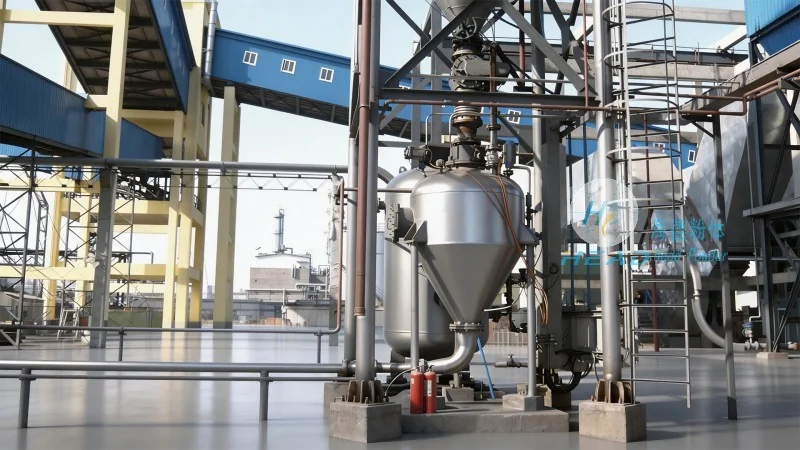
Several critical design parameters must be considered to minimize the risk of blockages in pneumatic conveying systems for straw powder. The first is the air velocity, which should be maintained above the minimum conveying velocity to ensure particles are fully suspended. Typically, this velocity ranges from 20 to 30 m/s for fine powders like straw powder. Another crucial parameter is the pipe diameter, which should be sized appropriately to balance pressure drop and material flow. Larger diameters reduce pressure loss but may increase equipment cost and space requirements.
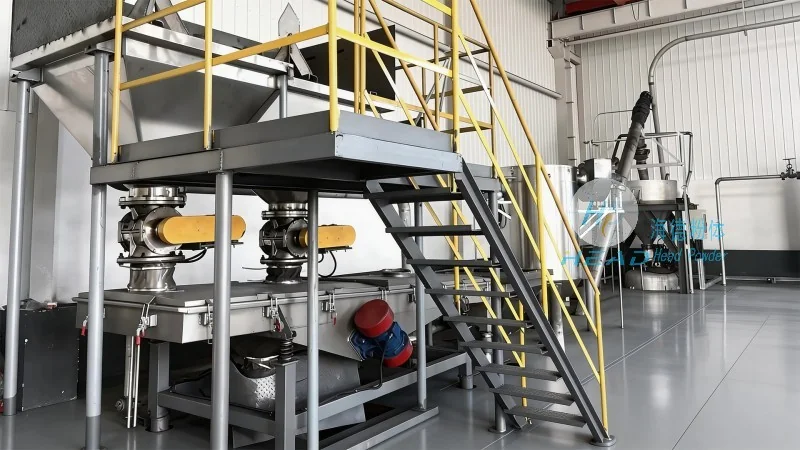
The material of construction is also vital. Materials like stainless steel or high-grade plastic are recommended to prevent corrosion and material buildup. Additionally, the system should incorporate features such as pulse jets or rotary valves to break up agglomerates and maintain consistent flow. The use of bends and elbows should be minimized, as sharp turns can cause particles to settle and form blockages. Instead, using gradual bends or expanding sections can improve flow dynamics.
System Configuration and Operational Strategies
The configuration of the pneumatic conveying system itself plays a significant role in preventing blockages. A well-designed system may include multiple stages, such as a primary conveying line and a secondary recovery line, to handle different material loads. The use of cyclone separators or filter bags is essential to remove fines and prevent them from re-entering the pipeline. Operational strategies, like maintaining consistent air pressure and flow rates, also contribute to preventing blockages. Regular maintenance, including cleaning of filters and checking for wear and tear in components, is necessary to ensure long-term system performance.
Case Study: HeadPowder Engineering's Solutions
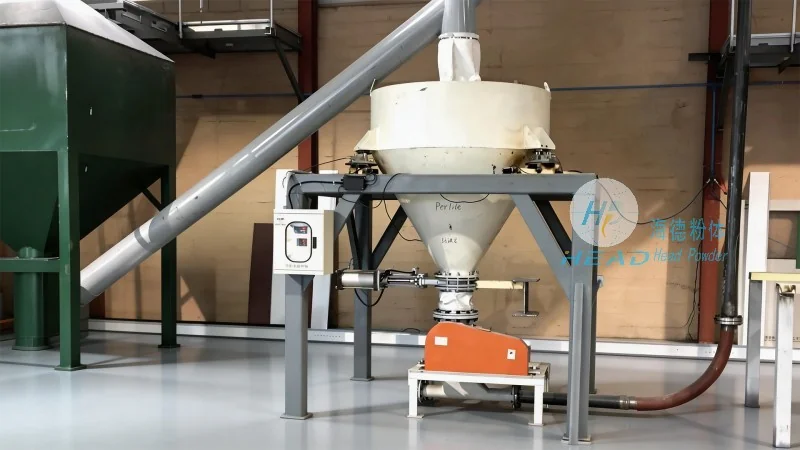
Shandong HeadPowder Engineering Co., Ltd., a leading provider of pneumatic conveying solutions, offers tailored systems for straw powder handling. Their expertise lies in customizing systems based on the specific characteristics of the material and the application requirements. For example, a recent project involved a straw powder processing plant where the company implemented a high-velocity pneumatic system with stainless steel piping and pulse jet cleaning. The system successfully prevented blockages and achieved a throughput of 50 tons per hour, with minimal downtime. This case study demonstrates the effectiveness of proper design and implementation in preventing pipeline blockages.
Conclusion and Recommendations
Preventing pipeline blockages in pneumatic conveying systems for straw powder requires a comprehensive approach that considers material properties, system design, and operational practices. By focusing on key design parameters such as air velocity, pipe diameter, and material of construction, along with proper system configuration and maintenance, operators can ensure efficient and reliable transport. Shandong HeadPowder Engineering Co., Ltd. provides expert solutions tailored to these needs, helping clients achieve optimal performance in their straw powder handling operations.